
Grill Brush vs Grill Scraper: Which BBQ Cleaning Tool Should You Use?
Key Takeaways
- Grill brushes suit quick surface cleaning; scrapers handle stuck-on residue and controlled pressure on flat contact points.
- Bristle-free and chainmail-style cleaners offer brush-like function while avoiding traditional wire-bristle concerns.
- Match the tool to the problem: light residue needs a brush; heavy buildup requires a scraper or chainmail cleaner.
- A grill brush is best for frequent cleaning of light residue. A scraper is ideal for thick, stuck-on food and specific spots.
- GrillFighter focuses on durable, bristle-free, chainmail-style BBQ cleaning tools for flexible and effective cleaning.
- Preheat grill, loosen buildup, focus on problem spots, and clear debris. Avoid damaged brushes or aggressive scraping.
A dirty grill can make even a simple cookout harder than it needs to be. Food sticks, old grease smokes, residue transfers onto fresh ingredients, and the first few minutes of cooking become stressful instead of easy. The right cleaning tool helps, but not every grill needs the same tool.
That is where the grill brush vs grill scraper question matters.
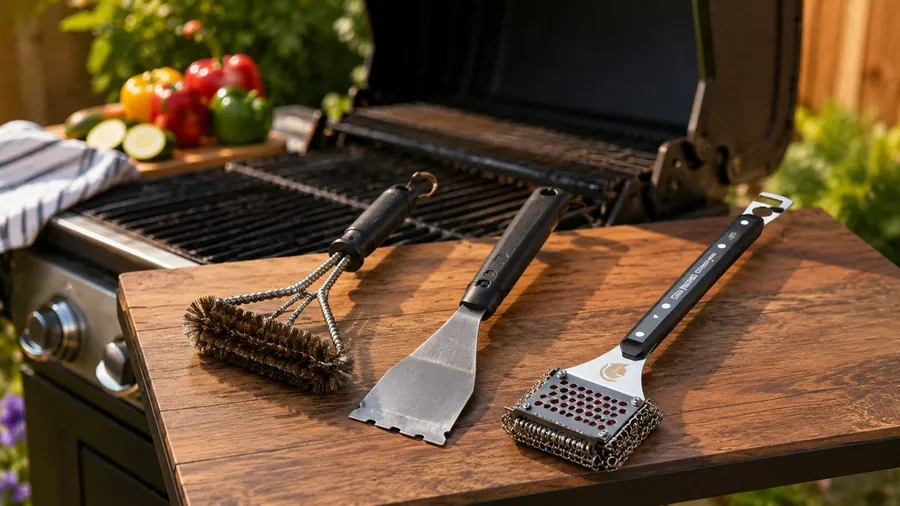
A grill brush is usually better for quick surface cleaning and working across multiple grate bars. A grill scraper is better for stuck-on residue, flat contact points, and grillers who want a more controlled cleaning motion. Bristle-free and chainmail-style tools sit somewhere in between: they can clean like a brush but avoid the traditional wire-bristle concern that some grill owners want to avoid.
This guide compares the main BBQ cleaning tool types so you can decide what actually fits your grill, your cooking habits, and your summer setup. If you are already planning outdoor meals, this also pairs well with the broader Coupinify Summer Issue, where seasonal kitchen, outdoor, and cookout-related offers are grouped together.
Start with the grill problem, not the tool
Before choosing a brush, scraper, or bristle-free cleaner, look at what you are trying to fix.
A light layer of residue after burgers is different from heavy buildup after weeks of grilling. A porcelain-coated grate needs a gentler touch than a thick stainless steel grate. A flat-top surface needs a different cleaning motion than round grill bars. If you start with the tool first, you may buy something that looks useful but does not match the surface you actually need to clean.
Light residue
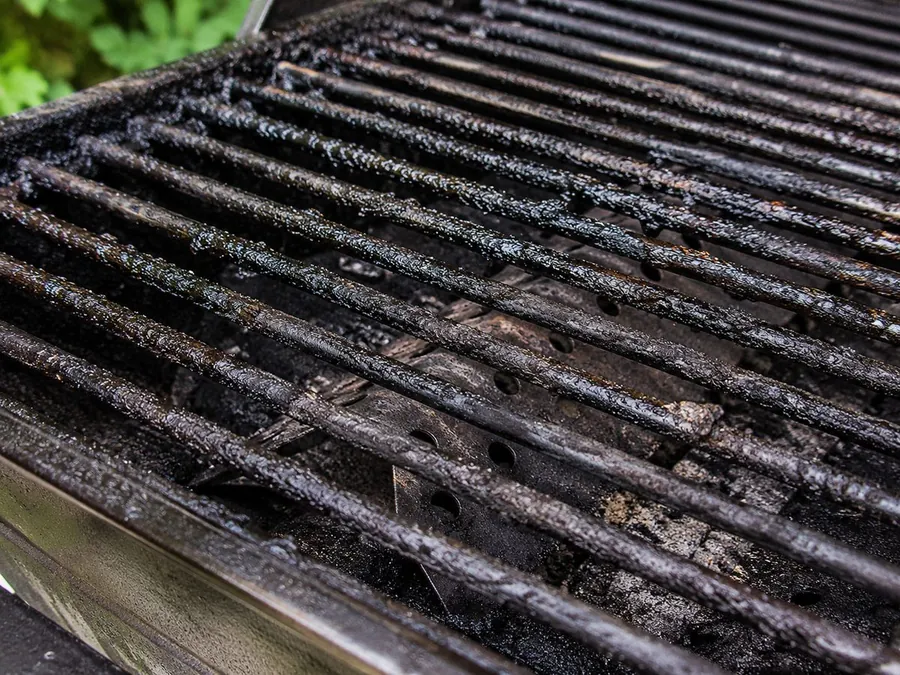
Light residue usually comes from recent cooking: bits of sauce, oil, seasoning, or small food particles left on the grates. A brush-style cleaner or flexible cleaning head can usually handle this quickly.
Stuck-on buildup
Stuck-on buildup is more stubborn. It may need heat, pressure, scraping, or a tool that can reach around the shape of the grate. This is where a scraper or chainmail-style cleaner can be more useful than a basic brush.
Grease and smoke
If the grill smokes heavily before food is added, the issue may not only be the grates. Grease trays, drip areas, and lower surfaces may need attention. A grate cleaner will not solve every smoke problem by itself.
Damaged or rusty grates
If the grate surface is flaking, deeply rusted, or structurally damaged, cleaning may not be enough. In that case, replacing the grate may be safer and more practical than buying another cleaning tool.
What a grill brush does best
A grill brush is designed for speed. It moves across the grate quickly, helps loosen surface residue, and can be convenient before or after a casual grilling session.
A brush works best when the grill has regular grate bars and the residue is not too heavy. It is also useful for people who grill often and want a quick reset between meals.
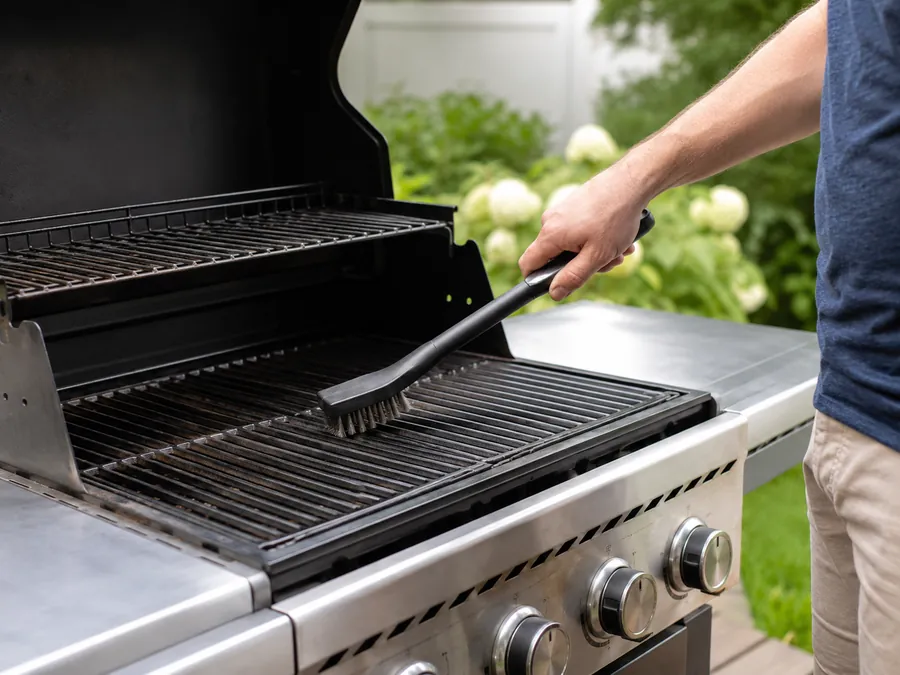
The downside is that not all brushes are the same. Traditional wire brushes can wear down, bend, or shed over time. If you use one, it is important to inspect the brush head, check for loose bristles, and replace it before it becomes damaged. Many grill owners now prefer bristle-free options for that reason.
Good fit if
You may prefer a grill brush if you clean your grill often, mostly deal with light residue, and want a fast tool for routine maintenance. It also makes sense if your grill grate has a shape that benefits from repeated passes across multiple bars.
Skip if
A basic brush may not be enough if you have thick, burnt-on residue, heavily neglected grates, or a surface that needs more direct scraping. It may also be the wrong choice if you are uncomfortable with wire bristles and want a bristle-free cleaning setup.
What a grill scraper does best
A grill scraper is more focused. Instead of brushing over a wide surface, it helps remove stuck-on residue through pressure and direct contact. It can be especially useful for edges, stubborn spots, and grillers who prefer a controlled cleaning motion.
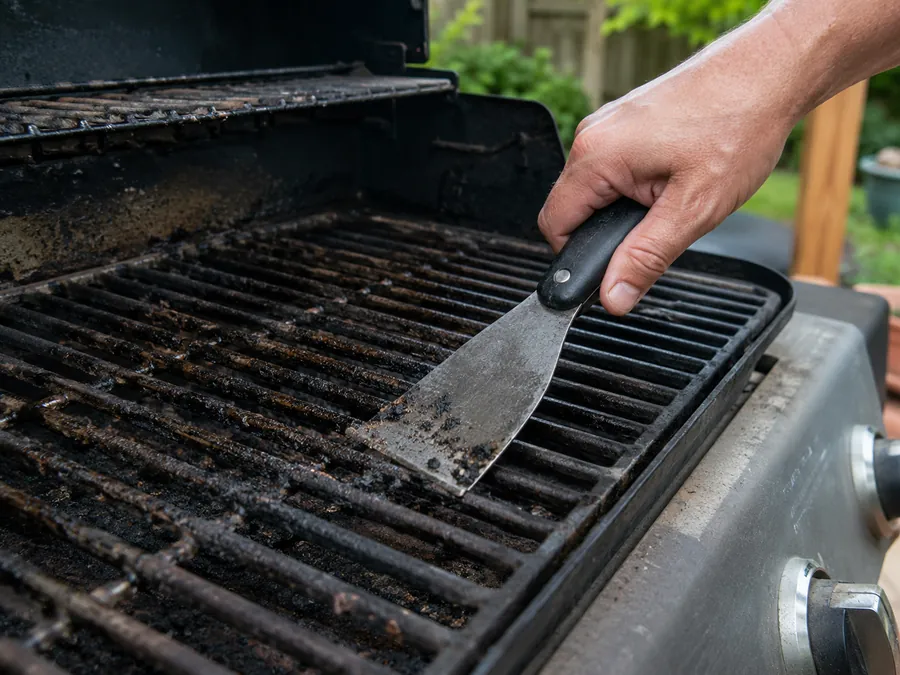
Some scrapers are shaped to fit specific grate styles, while others are more general. A good scraper can last a long time, but it may take more effort than a brush, especially if you need to clean a large grill surface.
A scraper is not always the best standalone tool for every cookout. It may loosen stubborn buildup well, but it might not sweep away smaller debris as quickly as a brush-style cleaner.
Good fit if
A grill scraper makes sense if you regularly deal with stuck-on food, thick residue, or specific problem spots. It is also useful if you want a simple tool with fewer moving parts and no bristles.
Skip if
A scraper may feel too slow if you mainly need quick routine cleaning. It may also be less convenient for rounded or complex grate patterns unless the scraper shape matches the grill well.
Where bristle-free and chainmail-style cleaners fit
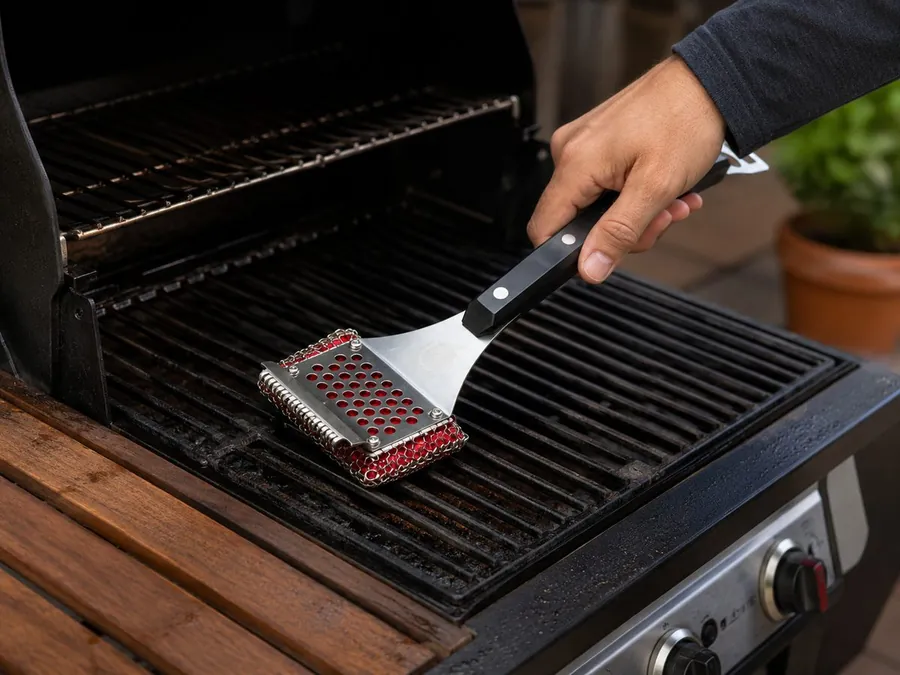
Bristle-free grill cleaners are popular because they address a common concern with traditional wire brushes: loose bristles. Instead of relying on thin metal wires, these tools may use coiled metal, woven steel, chainmail-style surfaces, pads, or scraper-style edges.
A chainmail-style cleaner can be useful because it provides flexible contact with the grate surface. It can move around grill bars better than a rigid scraper while still offering more scrubbing texture than a soft cloth.
This type of tool fits grill owners who want something between a brush and a scraper: enough surface contact for routine cleaning, but without the traditional wire-bristle format.
If you are comparing different BBQ Clear Tools , pay attention to three details:
Grate compatibility
Not every cleaner is ideal for every surface. Check whether the tool is suitable for stainless steel, cast iron, porcelain-coated grates, or the specific grill surface you use.
Cleaning motion
Some tools work best with short scrubbing strokes. Others need heat, steam, or a back-and-forth motion to loosen residue.
Cleanup after use
The cleaning tool itself also needs cleaning. A tool that traps grease, ash, or food residue but is hard to rinse may become unpleasant to use over time.
Grill brush vs grill scraper: quick comparison
A grill brush is usually better for speed. A scraper is usually better for pressure. A bristle-free or chainmail-style cleaner can be better for grillers who want a middle ground.
Choose a grill brush if
You clean after most meals, your grill does not have heavy buildup, and you want a fast tool for regular grate maintenance.
Choose a grill scraper if
You deal with stuck-on residue, want direct pressure, or prefer a simple bristle-free tool for specific problem spots.
Choose a bristle-free cleaner if
You want brush-like coverage without traditional wire bristles, especially if you grill often and want a tool that feels more durable than a cheap disposable brush.
Use more than one tool if
You grill frequently, cook saucy or sticky foods, or maintain a larger outdoor cooking setup. A scraper and a bristle-free brush-style tool can complement each other rather than compete.
Where GrillFighter fits into a BBQ cleaning setup
GrillFighter fits best for people who are already thinking beyond a basic disposable grill brush. The brand focuses on BBQ cleaning tools built around a bristle-free, chainmail-style cleaning approach, which can make sense for grill owners who want a more durable and flexible cleaning setup.
It is not something every occasional griller needs. If you only grill once or twice a year and your current tool works fine, there is no reason to rush into an upgrade. But if your grill cleaning routine is the weakest part of your cookout setup, replacing a worn-out brush with a more purpose-built cleaner can be a practical move.
Once you know your current tool is not solving the problem, checking current GrillFighter coupons and BBQ cleaning deals before buying can help you compare available offers.
Common grill cleaning mistakes to avoid
Choosing the right tool matters, but how you use it matters just as much. Many grill cleaning problems come from timing, pressure, or using the wrong tool for the wrong surface.
Cleaning only when food starts sticking
If you wait until food is already sticking, you are cleaning too late. A quick grate check before cooking can prevent stress during the meal.
Using a damaged wire brush
If a wire brush is bent, shedding, rusted, or worn down, replace it. A damaged cleaning tool can create more risk than value.
Scraping too aggressively on coated grates
Porcelain-coated and nonstick-style grill surfaces may need a gentler approach. Heavy scraping can damage the coating if the tool is too sharp or the pressure is too high.
Oiling dirty grates
Oil can help with food release, but it should not be used to hide grime. Clean first, then oil only if appropriate for your grill and cooking method.
Ignoring the grease tray
If the grill still smokes after the grate is clean, look below the cooking surface. Grease buildup can create smoke, flare-ups, and unpleasant smells.
Buying a full BBQ set when one tool is the real gap
Many grill tool sets include items you may not use. If the real problem is cleaning, focus on the cleaning tool first instead of buying a large kit.
How to clean grill grates before cooking
You do not need a complicated routine for every cookout. Most backyard grill sessions only need a practical reset.
Step 1: Preheat the grill
Heat helps loosen residue. A warm grate is usually easier to clean than a cold one, but follow your grill manufacturer’s safety guidance.
Step 2: Loosen surface buildup
Use a brush, scraper, or bristle-free cleaner to remove food residue from the grate surface. Work slowly enough to see whether the tool is actually making contact.
Step 3: Focus on problem spots
Sticky sauces, cheese, marinades, and fatty foods can leave stubborn areas. Use more controlled pressure there instead of aggressively scraping the entire grate.
Step 4: Wipe or clear loose debris
After loosening residue, make sure debris is removed from the cooking surface. Cleaning is not finished if loose particles are still sitting on the grate.
Step 5: Check before adding food
The surface does not need to look brand new every time, but it should be clean enough that old residue is not transferring onto fresh food.
Who should upgrade their BBQ cleaning tool?
A new cleaning tool makes sense when it solves a real problem. It does not make sense just because it appears on a summer shopping list.
Good fit if
You grill weekly during warm weather, your current brush is worn out, your food sticks often, or you want a bristle-free cleaner for regular use. It also makes sense if cleaning the grill is the step you keep avoiding because your current tool feels ineffective.
Skip if
You rarely grill, your current tool still works well, or your grates are damaged enough that replacement is the better fix. You should also skip buying a new cleaner if the real issue is grease buildup below the grates rather than the grate surface itself.
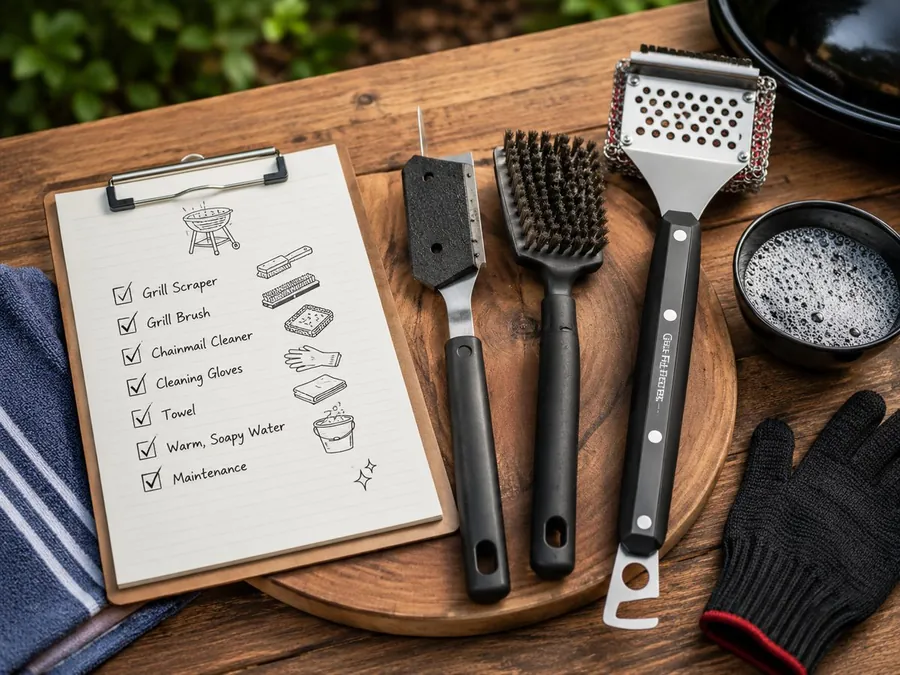
Simple BBQ cleaning tool checklist
Before choosing between a brush, scraper, or bristle-free cleaner, run through this short checklist:
- What type of grates do you have?
- Are the grates coated, stainless steel, cast iron, or another material?
- Is the problem light residue or heavy buildup?
- Do you want to avoid traditional wire bristles?
- Does your current tool reach between the grate bars?
- Is the tool easy to clean after use?
- Will you use it often enough to justify buying a better version?
This is the same buy-or-skip logic that works for broader cookout planning. If you are still preparing your full outdoor meal setup, the summer backyard cooking checklist can help you decide what to prep, clean, and skip beyond the grill itself.
Final take
A grill brush and a grill scraper are not competing for the same exact job. A brush is better for quick routine cleaning. A scraper is better for stubborn residue and direct pressure. A bristle-free or chainmail-style cleaner can be a strong middle option for grillers who want flexible cleaning without using a traditional wire-bristle brush.
The best choice depends on your grill surface, how often you cook, how dirty the grates get, and whether your current tool is actually solving the problem. Start there before buying anything new.

For broader cooking and BBQ prep categories, Coupinify’s Kitchen and Dining hub can help connect grill cleaning, cookware, and summer meal prep into one practical shopping path.
FAQ
Is a grill brush better than a grill scraper?
A grill brush is usually better for quick routine cleaning across the whole grate. A grill scraper is better for stuck-on residue and controlled pressure. Many frequent grillers may benefit from using both.
Are bristle-free grill brushes worth it?
They can be worth it if you grill often and want to avoid traditional wire bristles. The value depends on your grate type, how dirty your grill gets, and whether the tool is easy to clean after use.
Should I clean my grill before or after cooking?
Both can help. Cleaning before cooking prepares the surface for food, while cleaning after cooking can remove residue before it hardens. At minimum, check and clean the grates before adding fresh food.
Can a grill scraper damage grill grates?
It can if the scraper is too sharp, the pressure is too heavy, or the grate has a delicate coating. Always match the tool to the grate material and avoid aggressive scraping on coated surfaces.
What is the best BBQ cleaning tool for summer cookouts?
The best tool is the one that matches your grill and cleaning problem. Light residue may only need a brush-style cleaner. Heavy buildup may need a scraper. Frequent grillers who want a bristle-free setup may prefer a chainmail-style cleaner.