How Cold Laser Therapy Works for Pain Relief (And Why People Use It at Home)
Key Takeaways
- Cold laser therapy (LLLT) is a non-invasive treatment using specific light wavelengths to support natural recovery processes without causing damage.
- It delivers low-intensity light to targeted areas, stimulating cellular activity and circulation to aid tissue repair and recovery.
- Light-based therapy may improve cellular energy activity, support circulation, and enhance comfort and mobility over time.
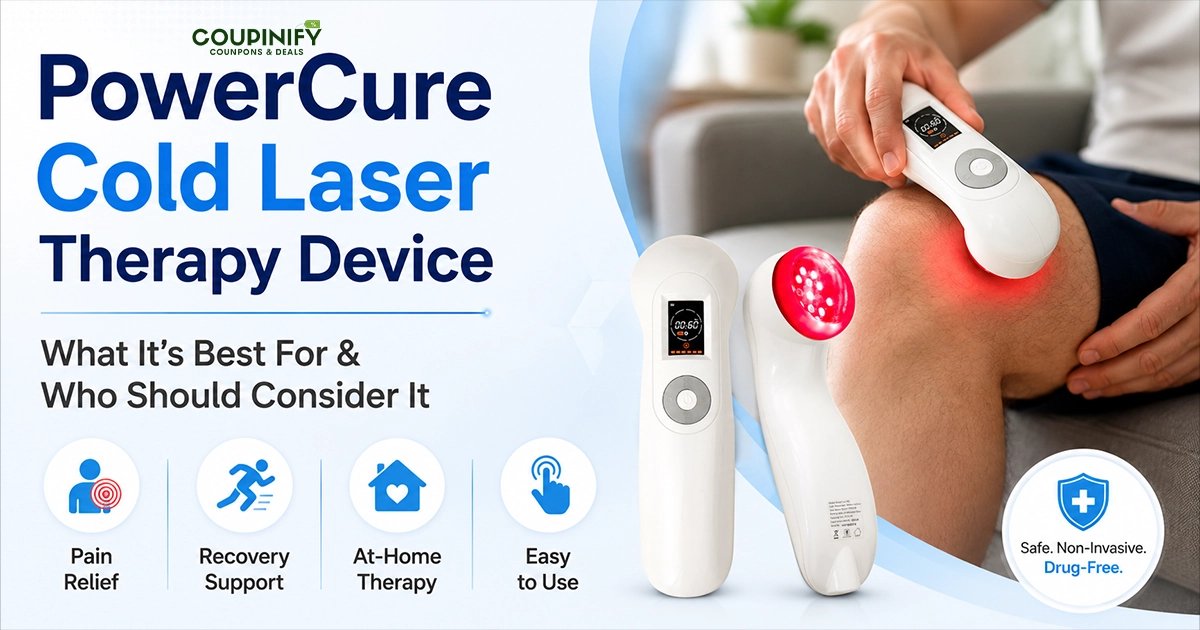
- People use home devices like the PowerCure for convenience, consistency, and targeted application for muscle soreness and joint discomfort.
- Cold laser therapy is used for muscle soreness, joint stiffness, exercise recovery, and general wellness, complementing professional medical care.
- When choosing a device, prioritize portability, ease of use, and compatibility with your routine, following manufacturer instructions for safety.
1. What Is Cold Laser Therapy?
Cold laser therapy, also known as low-level laser therapy (LLLT), is a non-invasive treatment approach that uses specific wavelengths of light to support the body’s natural recovery processes. Unlike surgical or high-heat lasers, cold laser devices operate at lower energy levels designed to interact with tissue without causing damage or discomfort.
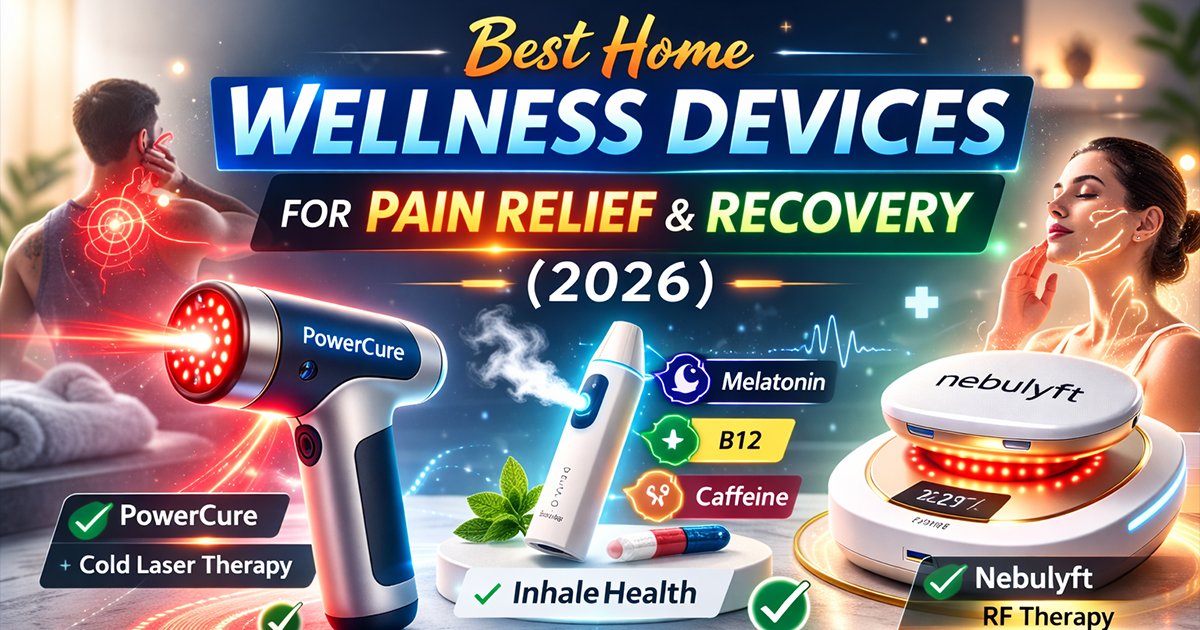
This type of therapy is commonly explored by people looking for supportive solutions for muscle soreness, joint discomfort, or mobility-related recovery routines. As consumer wellness technology improves, many individuals are now considering portable cold laser devices that can be used conveniently at home as part of broader home wellness devices for pain relief and recovery.
2. How Cold Laser Therapy Works
Cold laser therapy works by delivering low-intensity light energy into targeted areas of the body. When absorbed by cells, this light energy may help stimulate cellular activity and circulation, which are important parts of the body’s natural repair processes.
Researchers often describe three general effects associated with light-based therapy:
Improved cellular energy activity
Light exposure may support mitochondrial activity inside cells, which plays a role in tissue repair and recovery.
Circulation support
Light stimulation may help improve localized blood flow, which can assist in delivering oxygen and nutrients to affected areas.
Comfort and mobility support
Some users explore cold laser therapy as part of routines intended to reduce stiffness or support more comfortable movement over time.
Because the process is non-invasive and typically quick to apply, many people consider it suitable for integrating into regular recovery habits rather than occasional clinic visits.
3. Why People Use Cold Laser Therapy at Home
Traditionally, laser therapy treatments were associated with clinics or rehabilitation centers. Today, portable devices have made this technology more accessible for personal use.
People often explore home laser therapy devices for several reasons:
Convenience
Using a handheld device at home allows recovery routines to fit into daily schedules without appointments or travel.
Consistency
Regular use is often easier to maintain when therapy can be performed at home rather than scheduled intermittently.
Targeted application
Portable devices allow users to focus on specific areas such as joints, muscles, or localized discomfort.
For those researching consumer options, compact handheld solutions such as the PowerCure cold laser therapy device are often considered alongside other home wellness technologies designed for practical daily use.
4. What Conditions Do People Typically Use It For?
Cold laser therapy is commonly explored as part of supportive routines for:
• muscle soreness after physical activity
• joint stiffness or mobility discomfort
• recovery routines following exercise
• general wellness or circulation-focused care
These uses are typically framed as supportive wellness approaches rather than replacements for professional medical evaluation or treatment.
5. Are Home Cold Laser Therapy Devices Safe?
Most consumer cold laser devices are designed with safety guidelines intended for regular personal use when instructions are followed carefully. Manufacturers generally provide recommended usage times, treatment distances, and safety precautions.
As with any wellness device, it’s important to:
• follow manufacturer instructions
• avoid direct eye exposure
• use the device consistently rather than excessively
• consult a professional if discomfort persists
When used responsibly, many users consider portable cold laser devices a practical addition to their broader recovery or wellness routine.
6. How to Choose a Cold Laser Therapy Device
If you’re comparing different options, it can help to focus on practical factors rather than brand popularity alone.
Portability
Handheld designs are usually easier to integrate into daily routines.
Ease of use
Clear controls, straightforward setup, and simple instructions can make consistent use more realistic.
Routine compatibility
The best device is often the one you’re most likely to use regularly.
If you want to compare different device options, features, or current availability, reviewing multiple sources and checking updated listings can help you identify which solution fits your routine best.
7. Final Thoughts
Cold laser therapy has gradually shifted from clinic-only treatment into a more accessible home wellness option. By using targeted low-level light technology, these devices aim to support the body’s natural recovery processes in a convenient and non-invasive way.
For people exploring home wellness tools, understanding how cold laser therapy works can make it easier to evaluate whether this type of device fits their needs. Comparing available options, features, and current listings across trusted platforms can also help ensure you choose something practical for your daily routine.