How Smart Wallets Work: Features, Tracking, and Everyday Carry Benefits
Key Takeaways
- Smart wallets simplify everyday carry via quicker card access, less bulk, better organization, RFID protection, or added tracking support.
- A wallet is "smart" through mechanical card access (slide/pop-up), improved slim structure, or by pairing with a tracker card for location.
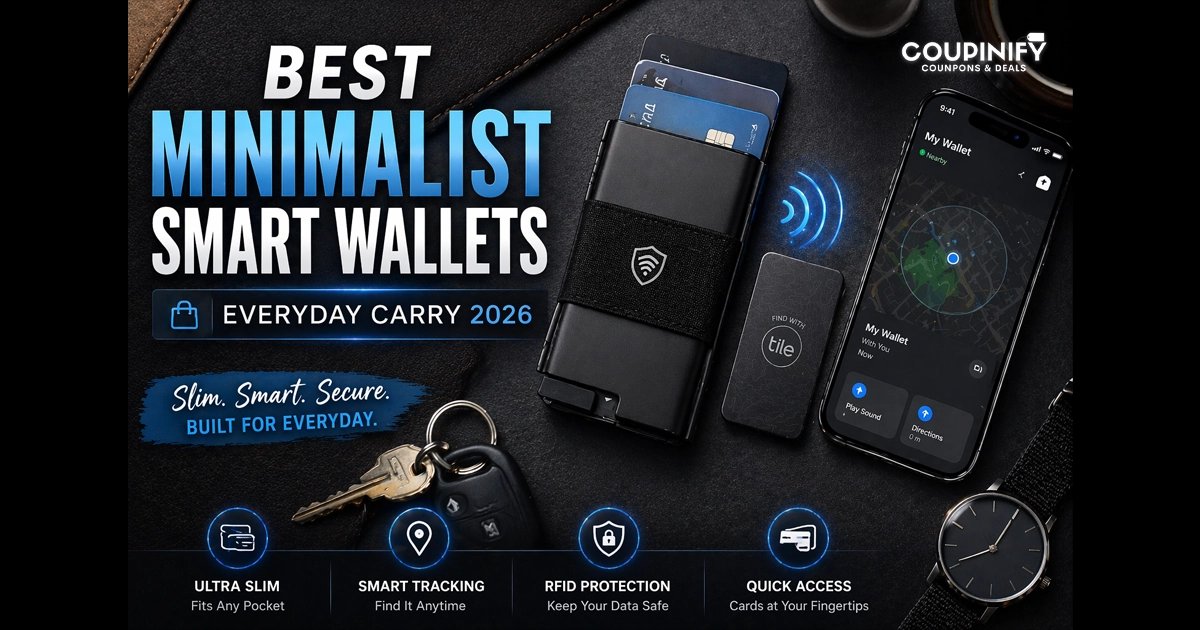
- Quick-access smart wallets use mechanisms to present cards staggered, allowing instant visibility and one-hand retrieval for efficiency.
- RFID blocking uses shielding materials to interfere with radio-frequency communication, offering protection without sacrificing convenience for users.
- Wallet tracker cards add a location layer to an existing wallet for recovery. MagSafe wallets integrate with phones for lighter, compact carry.
- Misconceptions include assuming all smart wallets track, that RFID blocking is always superior, or that thinner is universally better.
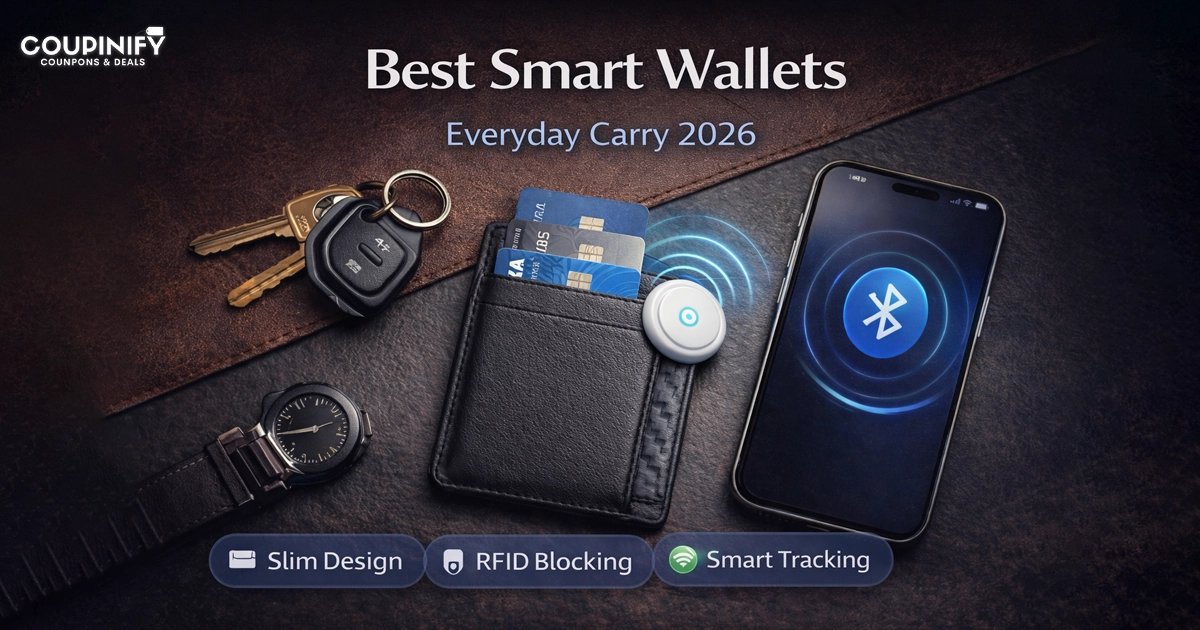
A smart wallet is not really about making your wallet look futuristic. In most cases, it is about making everyday carry feel simpler, faster, and more organized. A good smart wallet usually improves one or more daily friction points: quicker card access, less pocket bulk, better organization, RFID protection, or the ability to add tracking support when needed.
For readers who are still exploring this category, this guide works best as a starting point before diving deeper into smart wallets, browsing more gear in electronics and technology, and checking more focused options such as ZENLET smart wallet deals. It also pairs naturally with best smart wallets for everyday carry if you want product recommendations after understanding the basics.
What actually makes a wallet “smart”?
A wallet usually becomes “smart” in one of three ways.
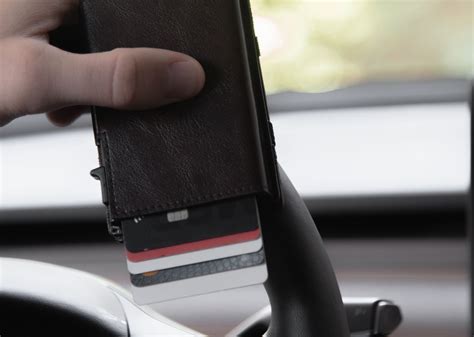
The first is mechanical design. Instead of making you dig through stacked cards, some wallets use a slide, lever, or pop-up system that presents cards in a cleaner layout. That makes it easier to see what you need and pull the right card out quickly.
The second is better structure. A smart wallet often uses a slimmer body, more controlled storage, and a more intentional everyday-carry layout than a standard bulky wallet. That is why these wallets appeal so strongly to people who prefer front-pocket carry or a more minimalist setup.
The third is tracking support. In many cases, the wallet itself is not electronic at all. The “smart” part comes from pairing it with a slim tracker card that can help you locate the wallet if it goes missing. That is why this category often overlaps with wallet tracker cards, not just wallet bodies. This distinction also matters if you are deciding between a smarter wallet design and a wallet-tracking solution.
How quick-access smart wallets work
This is one of the easiest smart-wallet features to understand.
Instead of opening like a thick traditional bifold, many smart wallets store cards in a compact body and use a small mechanism that pushes the cards upward in a staggered arrangement. This means you can see the edges of the cards instantly and pull one out with one hand.
That small improvement matters more than people expect. If you use your wallet several times a day for payments, transit, office access, or ID checks, a better access system starts to feel noticeably more efficient over time. It is one of the main reasons many people switch from traditional wallets to smarter everyday-carry designs.
If your main goal is choosing the right model rather than understanding the mechanism, the natural next step is best smart wallets for everyday carry.
How RFID blocking works in a smart wallet
RFID blocking is one of the most common smart-wallet features, but it is often described too vaguely.
At a basic level, RFID-enabled cards communicate through radio frequency. An RFID-blocking wallet uses shielding materials that help interfere with that communication while the cards are stored inside. In real-world use, the benefit is not just about protection. It is about having that protection without ruining convenience.
A well-designed smart wallet should still feel practical if you use transit cards, access cards, or tap-based routines. That is why the better products in this category are not only focused on “blocking.” They are focused on maintaining a smoother daily workflow.
How wallet tracker cards work
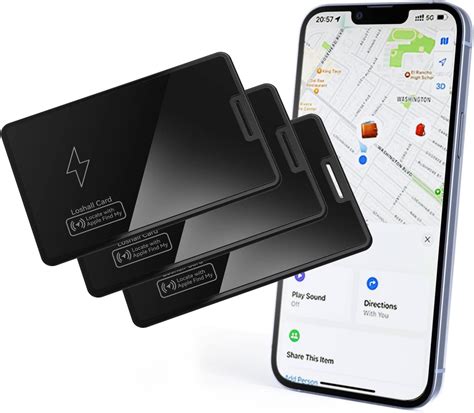
A wallet tracker card works differently from a pop-up wallet.
A smart wallet body improves how you carry and access your cards. A tracker card improves how you find the wallet if it gets lost or left behind.
That is why tracker cards are often the better solution for someone who already likes their current wallet. Instead of replacing the whole wallet, they add a location layer to a setup the person already uses comfortably. This also makes tracker cards one of the most practical crossover products between the smart wallet and smart tracker categories.
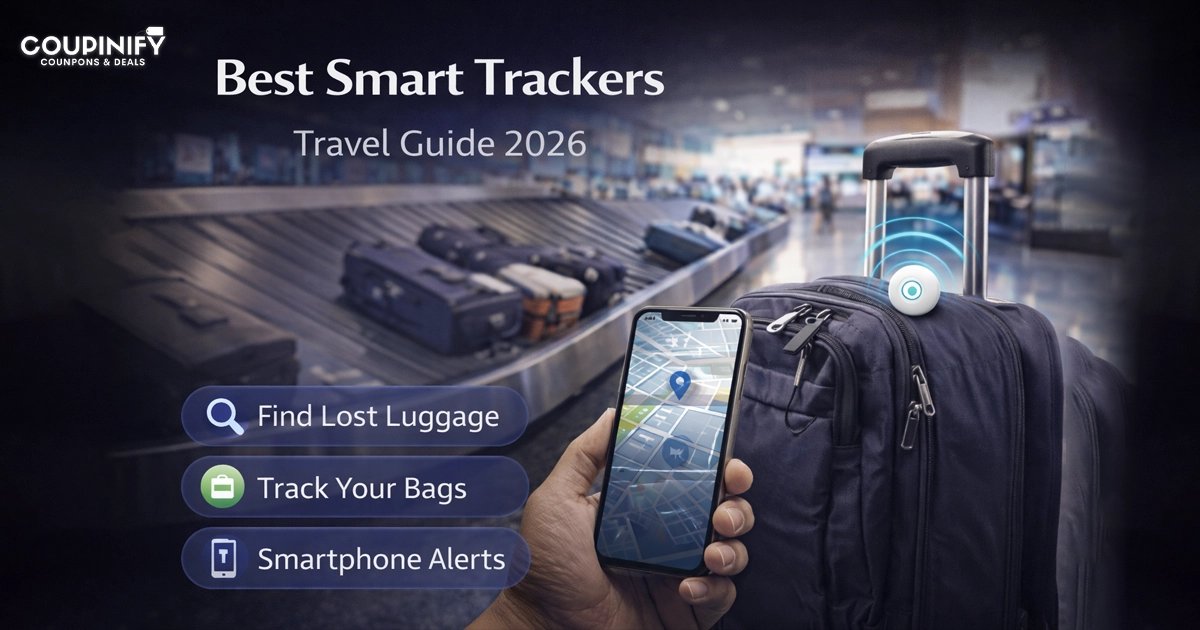
For readers interested in the broader tracking side of this topic, it also makes sense to read best smart trackers for travel, especially if you want to compare tag-style trackers with card-style trackers.
Smart wallet vs tracker wallet vs MagSafe wallet
This is where buyers often get confused.
A smart wallet usually means the wallet body itself is better designed: slimmer, faster, more organized, or better suited to everyday carry.
A tracker wallet usually means there is a tracker card inside it or some location support built into the setup.
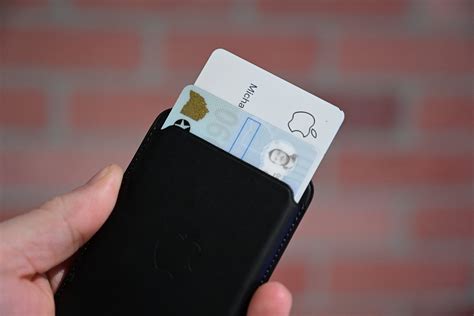
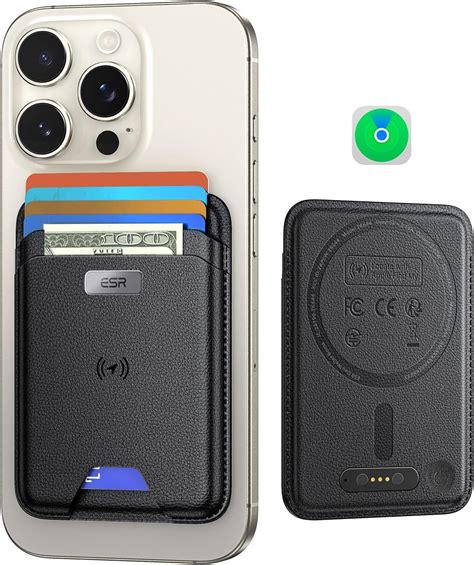
A MagSafe wallet often follows a different carry philosophy. Instead of being just a wallet in your pocket, it becomes part of a lighter phone-and-wallet system. This kind of setup appeals to people who carry fewer cards and want a more compact daily routine.
That means there is no single way smart wallets work. Different products are solving different problems:
- better card access
- less bulk
- improved organization
- better recoverability
- or a more integrated phone-and-wallet setup
Why smart wallets fit everyday carry so well
Smart wallets have become popular in EDC because they remove friction in small ways that add up. They can reduce bulk, make card access easier, keep essentials more organized, and make your pocket setup feel more intentional.
That is why smart wallets often appeal to commuters, office workers, minimalists, and anyone trying to simplify what they carry every day. The best ones do not feel “techy” for the sake of it. They simply make a routine object work better.
This is also why a reader who understands the basic idea may naturally move next into ZENLET smart wallet deals or continue browsing the wider electronics and technology category once they know which kind of setup fits them best.
Common misconceptions about smart wallets
One misconception is that every smart wallet includes active tracking. That is not true. Many are “smart” because of design and functionality, not because they contain electronics.
Another misconception is that RFID blocking automatically makes a wallet better. In practice, blocking only helps when the wallet still feels convenient to use in real daily routines.
A third misconception is that thinner always means better. A wallet can be ultra-slim and still be annoying if it is awkward to access or too limited for what you actually carry.
So how do smart wallets really work?
At the simplest level, smart wallets work by reducing friction in everyday carry.
Some do that through better mechanics. Some do it through slimmer and smarter storage. Some do it through RFID-aware design. Some do it by pairing the wallet with a tracker card. Others merge wallet carry into a phone-centered system.
The best version depends on what you are really trying to improve: access speed, less bulk, better organization, or the ability to recover a lost wallet more easily.
For readers ready to move from explanation into shopping, the natural next step is to explore best smart wallets for everyday carry, browse more smart wallets, and continue into ZENLET smart wallet deals once the right setup becomes clearer.
FAQ
Do smart wallets always have tracking?
No. Many smart wallets focus on quick card access, slimmer design, RFID protection, or better organization. Tracking usually comes from a separate tracker card or a compatible wallet system.
How does RFID blocking in a wallet work?
It uses shielding materials that help interfere with radio-frequency communication between RFID cards and scanners while the cards are stored inside the wallet.
Is a tracker card better than replacing your wallet?
Often yes, if you already like your current wallet and only want location support. In that case, a tracker card can be the smarter upgrade.
What is the difference between a smart wallet and a MagSafe wallet?
A smart wallet usually improves storage, access, or organization. A MagSafe wallet is more specifically designed to work with a compatible phone and create a lighter phone-and-wallet carry setup.