How to Prevent Luggage Theft While Traveling (Practical Safety Guide)
Key Takeaways
- Luggage theft is opportunistic, often happening during distractions at baggage claim, train stations, hotel lobbies, and security checks.
- Make luggage recognizable with distinctive straps, tags, or markings; RetraStrap reinforces closure and makes bags stand out.
- Avoid leaving luggage unattended; maintain physical contact or keep it within direct line of sight to deter opportunistic grabs.
- Reinforce structural security by adding external layers to zippers to deter tampering and increase access time.
- Position luggage strategically: use hotel safes, keep bags in room. At stations, keep luggage between legs, not behind you.
- Reduce what you carry; avoid expensive electronics and unnecessary valuables in checked bags, keeping important items in carry-on.
1. Why Luggage Theft Happens More Often Than You Think

Luggage theft is rarely dramatic.
It usually happens during:
- Baggage claim distractions
- Train station rush hours
- Hotel lobby transitions
- Security checks
Most incidents are not sophisticated crimes — they are opportunistic moments.
A distracted traveler.
An unmarked suitcase.
A bag left unattended for seconds.
Prevention starts with understanding that small vulnerabilities create easy targets.
2. Make Your Luggage Easy to Recognize (But Hard to Grab)
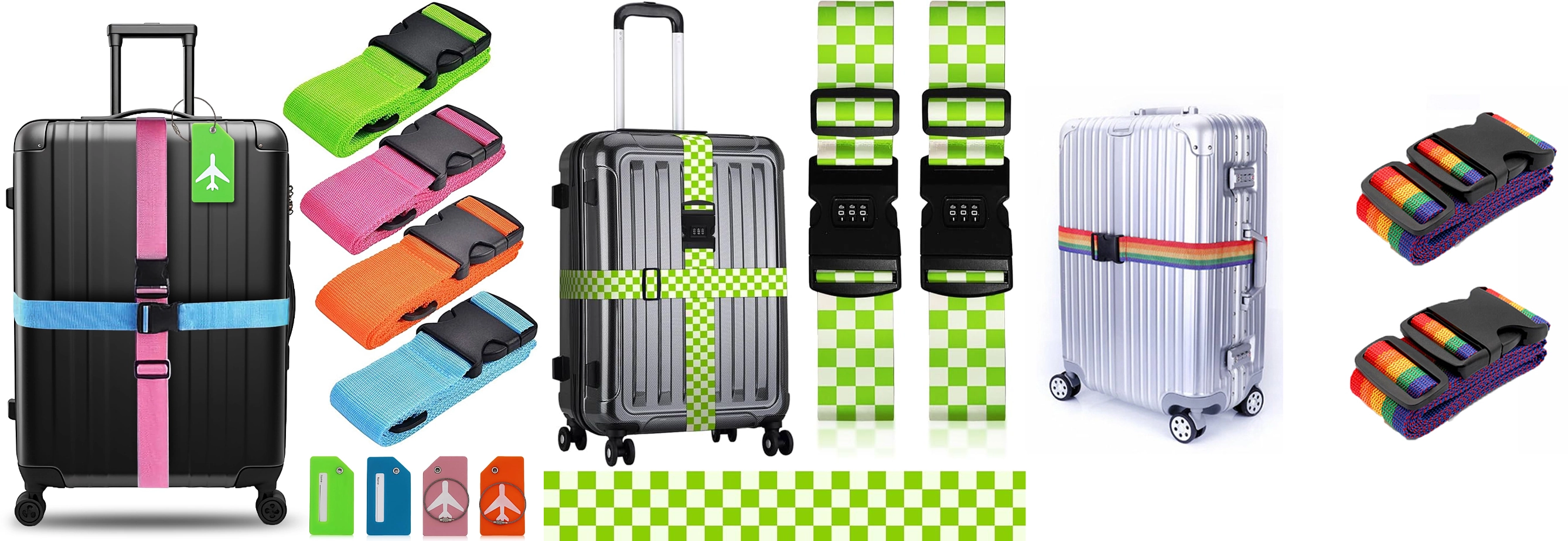
Plain black suitcases dominate airport carousels.
If your bag looks identical to 20 others, accidental swaps — or intentional grabs — become easier.
Simple visibility upgrades help:
- Distinctive luggage straps
- Unique luggage tags
- Recognizable markings
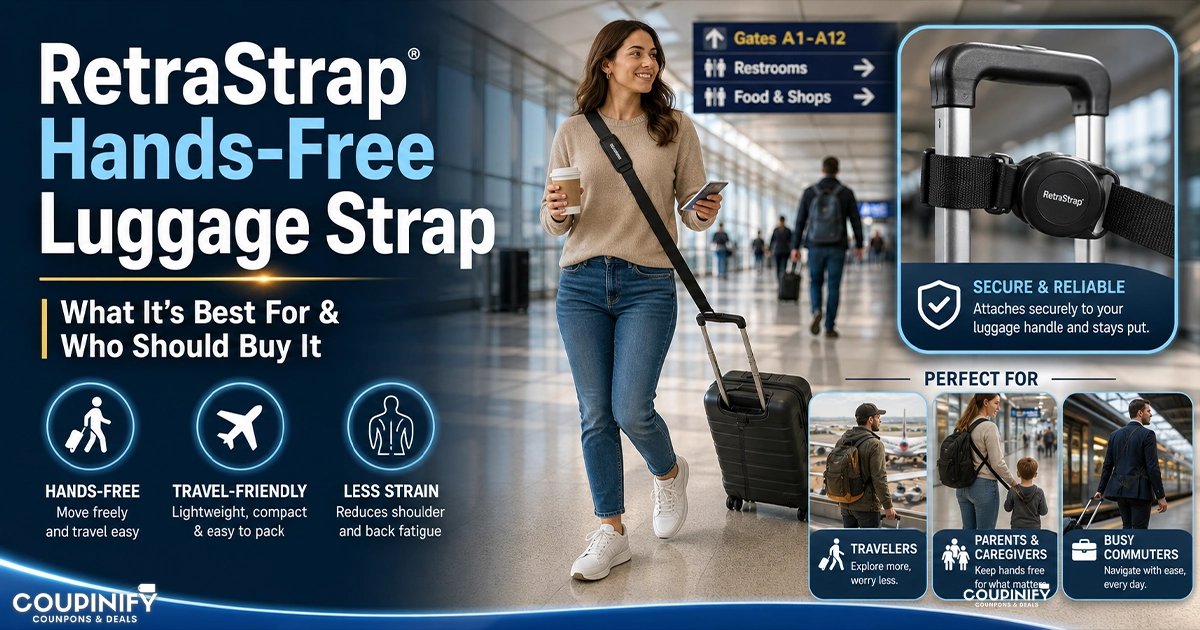
Protective accessories like RetraStrap luggage protection gear not only reinforce suitcase closure but also make your bag stand out immediately in crowded environments.
Visibility reduces both accidental confusion and opportunistic theft.
3. Avoid the “Unattended for Just a Second” Mistake
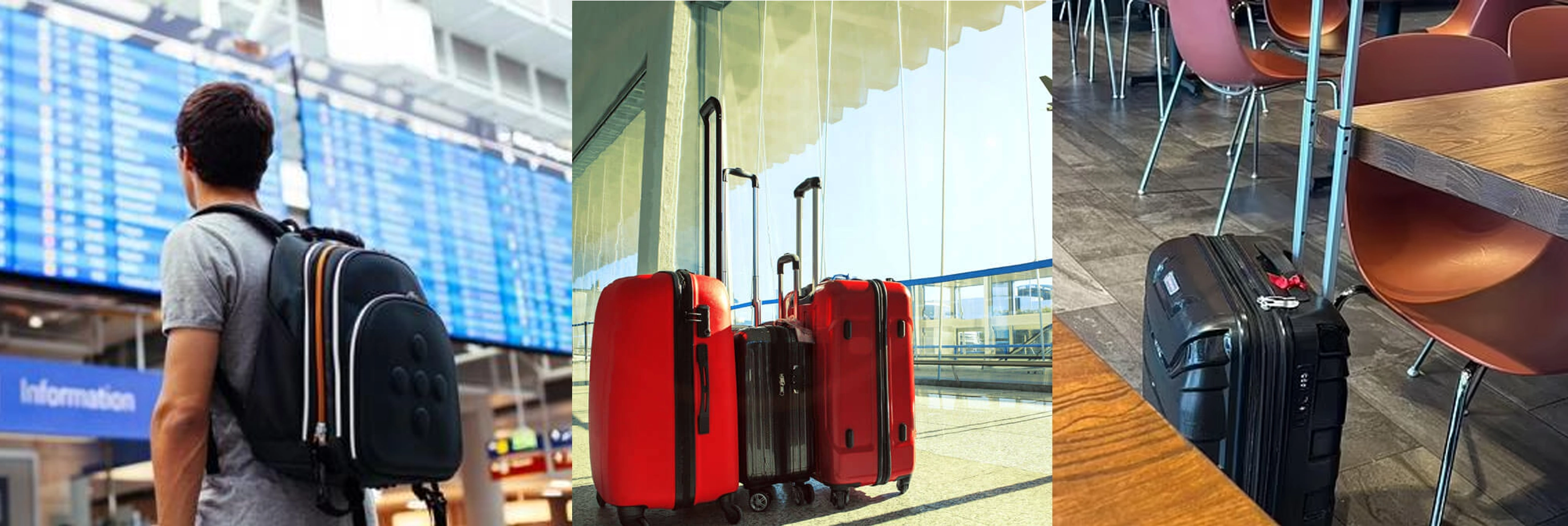
Many thefts happen when travelers:
- Check their phones
- Visit airport restrooms
- Order food
- Adjust documents
Leaving luggage unattended “for a moment” creates opportunity.
Even in relatively safe airports, high-traffic areas increase risk.
Best practice:
Keep physical contact with your luggage whenever possible — foot through strap, hand on handle, or within direct line of sight.
4. Reinforce Structural Security
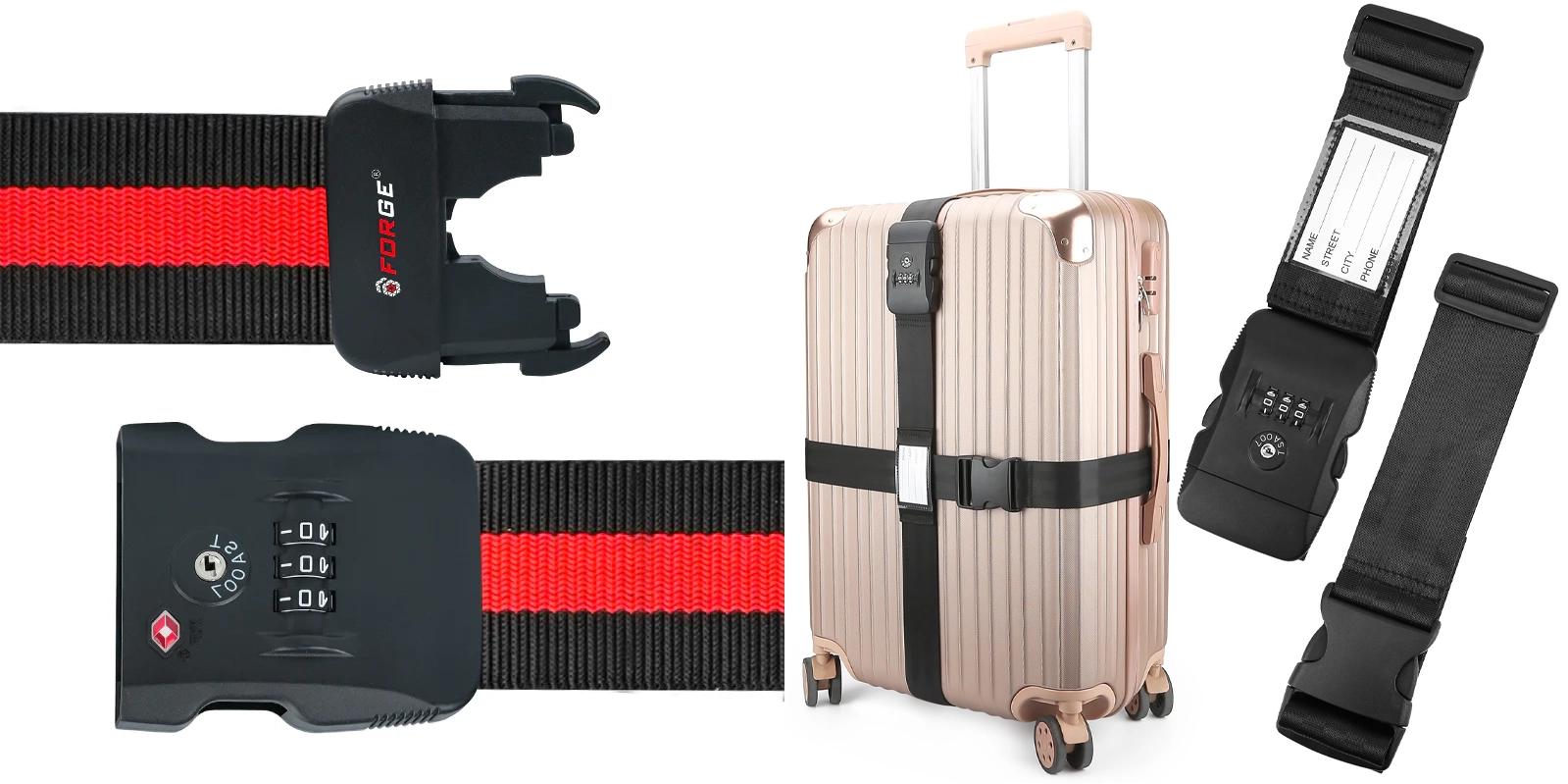
Zippers are common weak points.
Basic zip closures can be opened quickly with simple tools.
Adding external reinforcement:
- Adds friction to tampering
- Increases time required to access contents
- Acts as visual deterrence
While no accessory guarantees absolute security, added layers reduce vulnerability significantly.
5. Choose Strategic Positioning at Hotels and Stations
Theft doesn’t only occur at airports.
At hotels:
- Avoid placing luggage near lobby entrances
- Keep bags inside the room, not hallways
- Use in-room safes for valuables
At train stations:
- Position luggage between your legs
- Avoid placing it behind you
- Sit where you can monitor surroundings
Situational awareness is often more effective than expensive equipment.
6. Use Tracking for Extra Reassurance (Optional Layer)
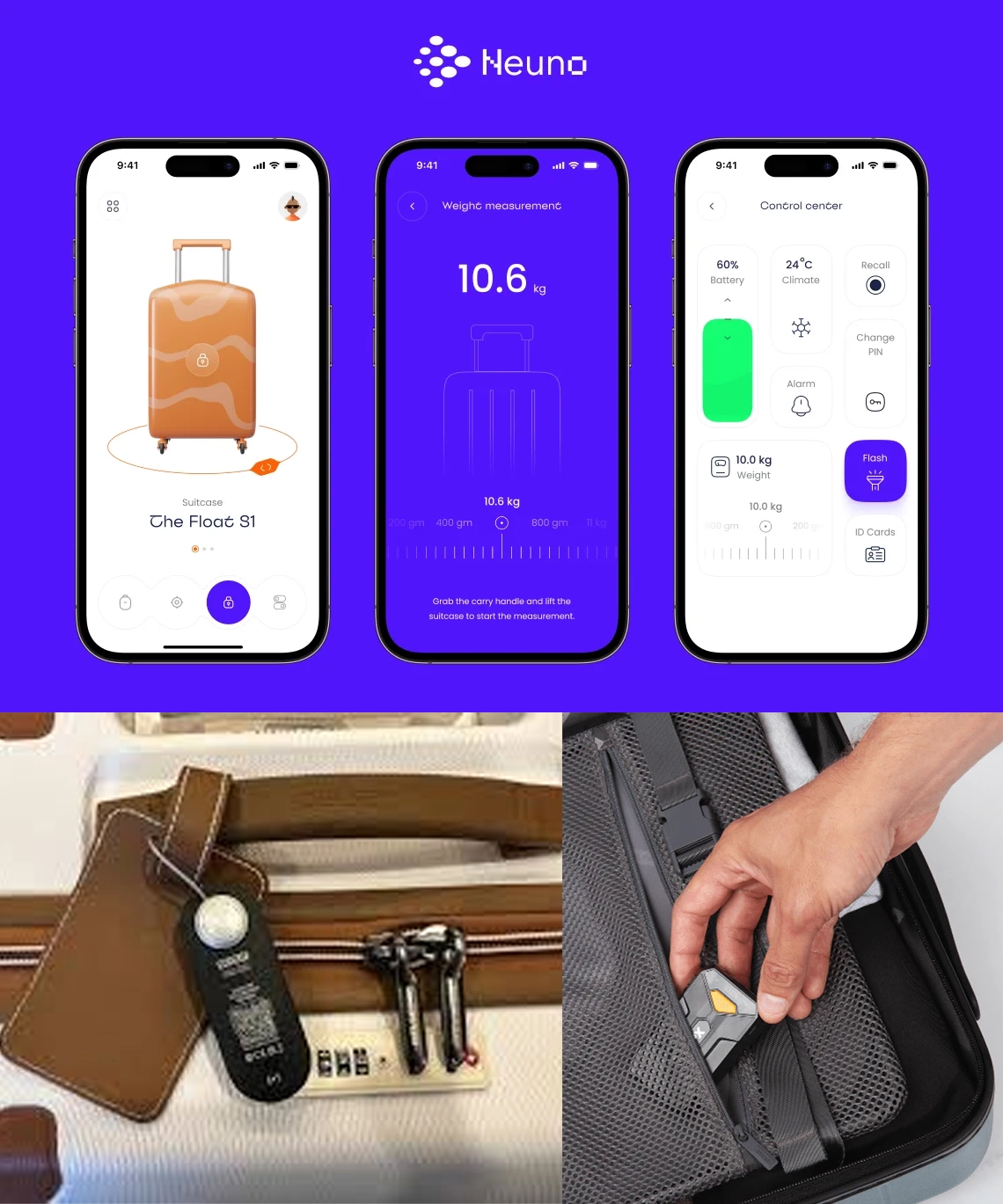
Smart tracking devices don’t prevent theft directly — but they add visibility.
If luggage is misplaced or delayed, tracking tools can help identify last-known location.
They are particularly useful during:
- Connecting flights
- International transfers
- Complex transit routes
For travelers carrying high-value equipment, this additional layer may provide extra peace of mind.
7. Reduce What You Carry
The less valuable content inside your luggage, the lower the impact if loss occurs.
Avoid:
- Packing expensive electronics in checked baggage
- Leaving documents loosely stored
- Carrying unnecessary valuables
Important items should remain in carry-on bags whenever possible.
8. Final Thoughts
Preventing luggage theft is less about extreme security and more about reducing easy opportunities.
Visibility, awareness, and minor structural reinforcements dramatically lower risk.
Most theft incidents target convenience — not heavily secured luggage.
Smart preparation doesn’t guarantee immunity, but it significantly reduces vulnerability during travel.
If you're evaluating practical protective accessories, reviewing current travel accessories deals can help you compare available options before your next trip.