Best Travel Accessories for Smart Packing (2026)
Key Takeaways
- The best travel accessories solve recurring packing, access, power, identification, or comfort problems without adding bulk or complexity.
- For carry-on only trips, light packing cubes, a cable pouch, and a compact charger are most useful for organization and access.
- For international travel, a document organizer, compatible adapter, charger, and power bank are crucial for documents and device charging.
- Packing cubes organize clothing and small items, while compression cubes reduce volume, not weight; both require checking bag dimensions.
- Power accessories like compact multi-port chargers and power banks are vital for devices, but check airline battery rules and voltage support.
- Luggage tags help with identification, and smart trackers may locate bags, but neither prevents theft and require battery/airline checks.
Packing accessories can simplify a trip—or turn one packing job into two. Extra pouches, chargers, straps, and comfort items take up space, add setup, and may duplicate features your luggage already provides. The useful question is not, “How many travel accessories can I add?” It is, “Which recurring problem will this item solve?”
A practical kit starts with your trip type and baggage plan. Carry-on-only travel rewards compact organization and quick access. Checked luggage makes identification and in-transit essentials more important. International trips add power compatibility and current travel-rule checks, while family travel often benefits from clear separation and fewer loose items. Use one principle throughout: an accessory earns space only when the friction it removes is greater than the bulk, cost, or complexity it adds.
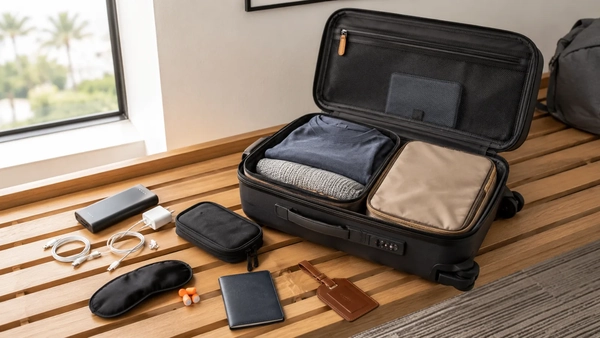
The Direct Answer: Which Travel Accessories Are Worth Packing?
The best travel accessories solve a recurring packing, access, power, identification, or comfort problem without creating more bulk or complexity than they remove.
For many travelers, that means a few packing organizers, one quick-access pouch for documents or cables, appropriate charging gear, a clear luggage identifier, and perhaps one compact comfort item. A tracker, compression bag, travel adapter, or luggage-handling aid may be useful for a specific trip, but none is automatically essential. Start with the friction you expect, then evaluate compatibility, packed size, frequency of use, and any relevant airline or security rules.
Quick Recommendations by Trip Type
| Trip type | Most useful accessory groups | Why they help | What to verify | Often unnecessary |
|---|---|---|---|---|
| Carry-on only | Light packing cubes, cable pouch, compact charger | Keep limited space organized and essentials easy to reach | Bag fit, device ports, airline battery rules | Duplicate pouches or bulky comfort gear |
| Checked luggage | Luggage tag, optional tracker, in-flight essentials pouch | Improve identification and keep critical items with you | Tracker battery policy and what must remain in carry-on baggage | Putting documents, essential devices, or spare batteries only in checked baggage |
| Weekend trip | One organizer, a short cable set, small toiletry kit | Reduce loose items without building a complex system | Whether the bag’s own pockets already solve the problem | Compression systems or backup gadgets for every scenario |
| International travel | Document organizer, compatible adapter, charger, power bank when useful | Support border documents and device charging | Plug type, device voltage support, airline rules, destination requirements | Assuming a plug adapter also converts voltage |
| Family travel | Color-coded cubes, shared cable pouch, simple laundry separation | Make ownership, access, and repacking easier | Total bag weight and who needs access to each item | A separate version of every accessory for every traveler |
How to Decide Whether an Accessory Deserves Space
Ask five questions before buying or packing:
- What specific friction does it remove?
- How often will that friction occur on this trip?
- Does the item fit your luggage, devices, and routine?
- Does it add charging, app, maintenance, or rule-check work?
- Is there a simpler substitute already built into your bag?
An item used several times each travel day may be essential for you even if another traveler could leave it behind. By contrast, a bulky product that solves a rare problem is usually a weaker choice. Classify each candidate as essential for many travelers, useful for a particular trip, an optional convenience, or often overbought.
Organization and Compression Tools
Best for: keeping clothing and small items grouped, visible, and easier to repack. Check: your bag’s interior dimensions, organizer size, zipper quality, and whether every piece in a set has a real purpose.
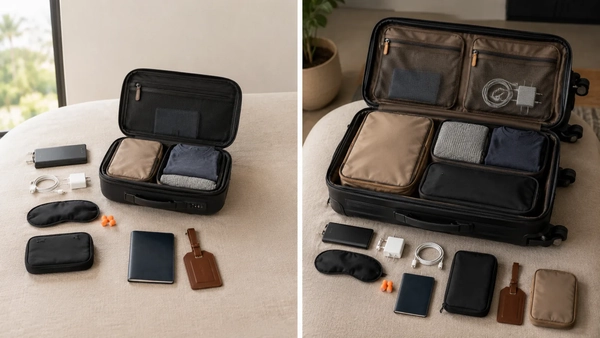
Packing cubes work well for travelers who want predictable zones for tops, underwear, workout clothes, or different family members. They reduce loose-item shifting and let you unpack one group without disturbing the rest of the bag. Choose sizes that match the actual interior of your luggage rather than the product photo. If your bag already has effective dividers—or a short trip needs only one clothing bundle—several cubes may add more structure than value.
Compression cubes and bags serve a different purpose. They can reduce the volume of soft clothing, but they do not reduce its weight, and a smaller bundle can still push checked luggage over an airline’s allowance. They are most useful for bulky soft items or trips that require clothing for different climates. They are less appealing when wrinkles, zipper strain, or the effort of recompressing everything outweigh the space saved.
Laundry separation is worthwhile when clean and worn clothing will share one bag for several days. A lightweight, washable sack is often enough; multiple specialty bags rarely improve the system.
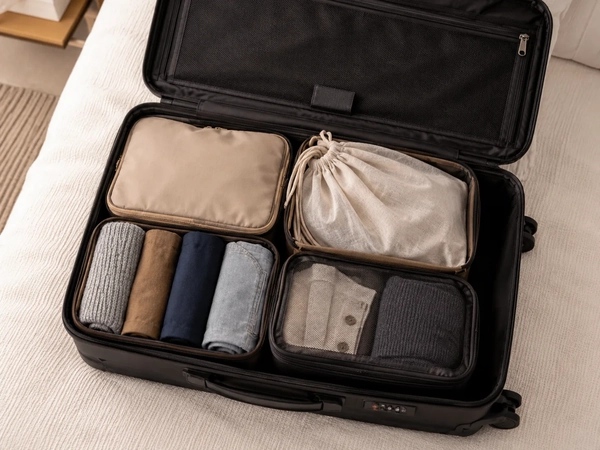
Once you know which type of organizer fits your luggage, explore Coupinify’s Luggage & Travel Gear category for more relevant options and guides.
Quick-Access Organizers
Best for: keeping documents, cables, or toiletries accessible when they are needed quickly. Check: visibility, opening style, cleaning needs, and whether an existing secure pocket already does the job.
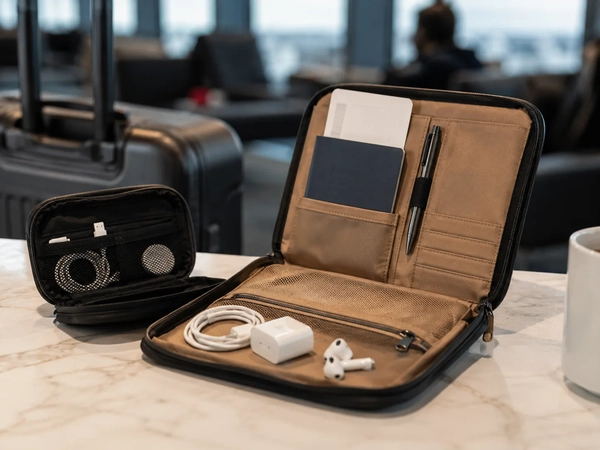
A document organizer is most useful for international travel, multi-stop itineraries, or families carrying several passports and confirmations. It reduces repeated searching at check-in, screening, and border points. The right size should hold the documents you actually carry without exposing everything whenever it is opened. For a simple domestic trip, one secure bag pocket may be more practical than an oversized travel wallet filled with papers you never use.
A cable pouch earns space when loose cables are difficult to identify or likely to snag. Choose a layout that keeps ports and cable ends visible instead of one packed with unused loops. Count your devices first, then remove duplicate cables. A toiletry organizer should follow the same rule: it should improve access and contain leaks without becoming a second suitcase. Check current screening and destination rules before departure, and pack liquids so they are easy to reach when required.
Power and Connectivity Accessories
Best for: keeping essential devices available during long transit, navigation, mobile ticketing, or limited access to outlets. Check: device ports, charger output, marked battery capacity, plug type, voltage support, and current airline rules.
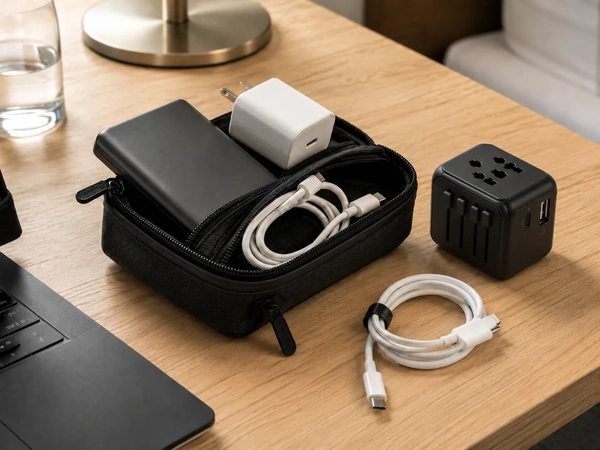
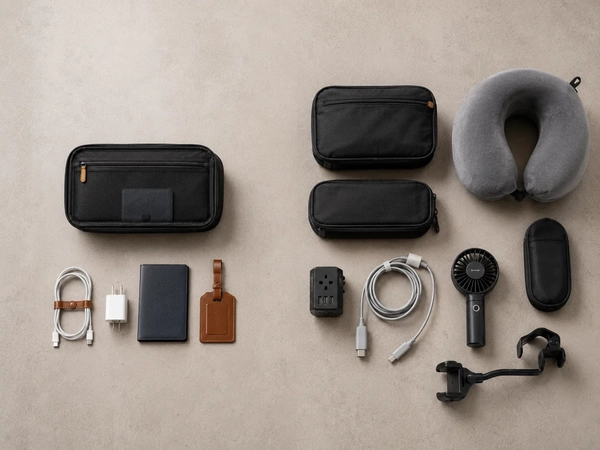
Start with the devices you will actually carry, then choose the smallest cable and charger setup that covers their ports and charging requirements. A compact multi-port charger can replace several wall adapters, but only when its output and port mix suit your devices.
A power bank can be valuable on long travel days, while capacity and output comparisons are better handled in Coupinify’s portable charger buying guide. Keep its travel handling requirements in mind and review the detailed battery guidance later in this article.
A travel adapter changes plug compatibility; it is not automatically a voltage converter. International travelers should confirm the destination plug type and verify that each device supports the local voltage. Extra adapters are unnecessary when one compatible charging setup covers the whole trip.
Luggage Identification and Handling
Best for: making a bag easier to identify, locate within a tracker network, or handle in a specific luggage setup. Check: contact details, phone ecosystem, battery policy, handle shape, luggage size, and product limitations.
A durable luggage tag is useful for checked bags and similar-looking carry-ons. It supports identification; it does not secure the bag. Include enough contact information to help with recovery without displaying more personal data than necessary.
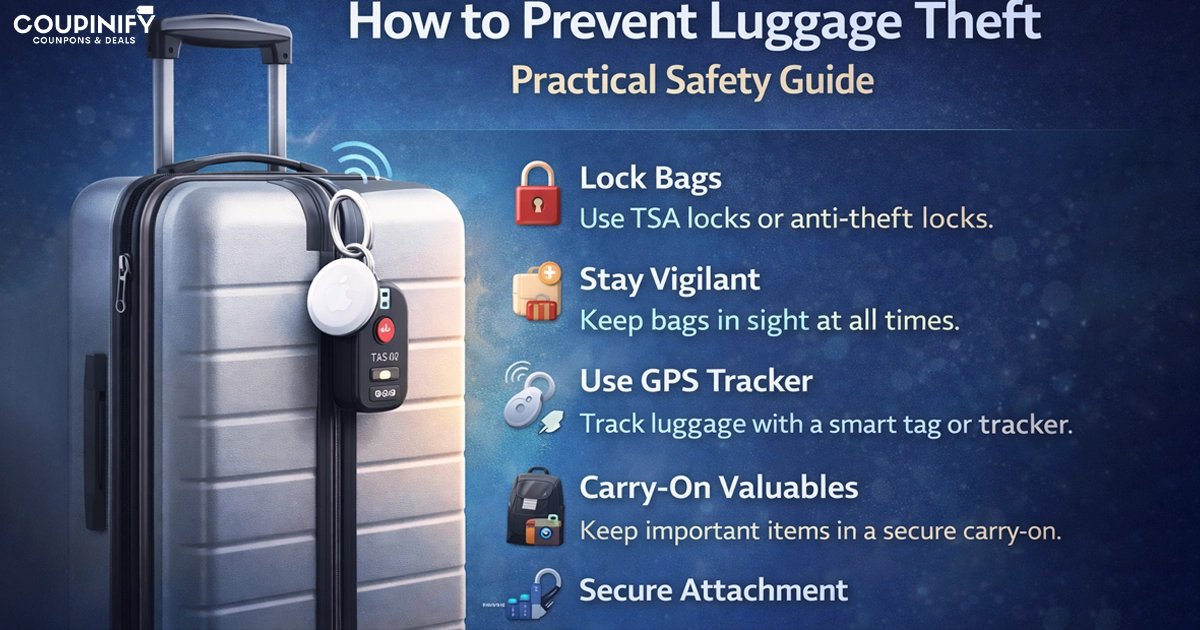
A smart tracker may help locate a bag within the limits of its network and battery system. Before choosing one, confirm phone compatibility, battery maintenance, and current airline guidance. A tracker does not prevent theft and should not replace normal luggage supervision. For network and feature comparisons, see Coupinify’s smart tracker guide for travel.
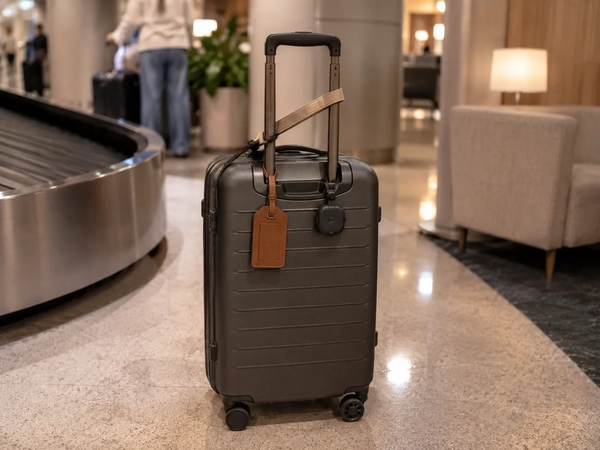
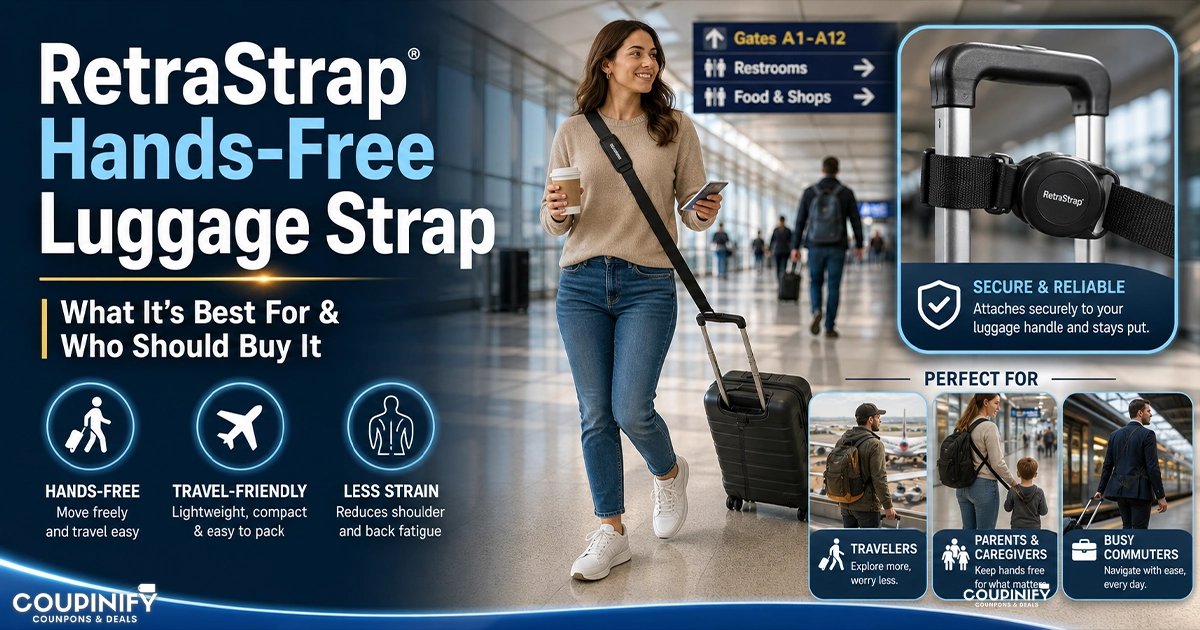
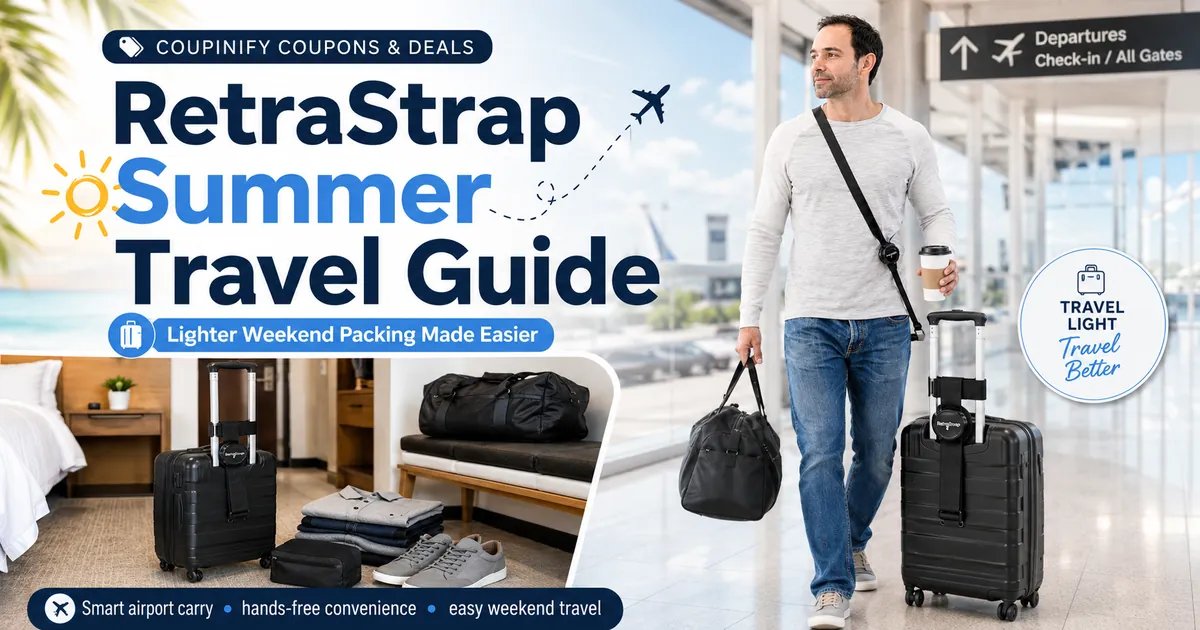
Luggage straps and handling aids are useful only when they fit the exact handle and luggage type. RetraStrap is one example for certain wheeled carry-on setups, but compatibility depends on the handle shape and luggage design. Review the current official instructions before use, and see Coupinify’s RetraStrap evaluation for the product-specific decision.
For a broader security plan, read the separate practical luggage theft guide. Tags, trackers, and straps may support identification or handling, but none guarantees recovery or prevents theft.
Comfort Items That Justify Their Bulk
Best for: addressing a familiar light, noise, support, or hydration problem on a longer trip. Check: packed size, trip duration, refill access, and whether you have tested the item before departure.
Comfort products make the strongest case when they solve a problem you have experienced before. An eye mask or earplugs take little room and may reduce exposure to light or noise, while compact neck support can be worthwhile when its packed size suits the trip. An oversized pillow is a poor trade when it displaces essentials on a short journey.
A reusable water bottle can be practical after screening when refill points are available. Make sure an empty bottle fits your personal item and that your route offers convenient places to refill it. Leave behind products you rarely use at home or have not tested before travel; unfamiliar comfort gear can become dead weight quickly.
Best Accessory Setup by Trip Type
Carry-on only: prioritize one compact clothing organizer, one quick-access pouch, and a verified charging setup. Checked luggage: keep documents, essential devices, spare batteries, and immediate-use items in your carry-on, while adding clear identification to the checked bag.
Weekend trips: existing bag pockets plus one cube or pouch are often enough. International travel: add only the document and power-compatibility tools your route requires. Family travel: color-coded organization and one shared tech pouch can help, provided the system remains simple enough for everyone to repack.
What to Skip or Avoid Overbuying
Be cautious with single-use novelty gadgets, organizers that duplicate good bag pockets, and oversized comfort products for short trips. An incompatible cable or adapter adds weight without solving a problem, while a security product promoted with an unsupported guarantee can create false confidence.
Check the bag before buying accessories for it. A compression cube that blocks the suitcase closure, a document wallet too large for the personal item, or a tracker that does not work with your phone ecosystem is not a smart upgrade. None of these product types is useless in every situation; they become poor choices when their bulk, setup, or limitations outweigh the friction they remove.
Battery, Liquid, and Airline-Rule Checks
Before departure, review the official pages for your airline and the authorities relevant to your route. FAA PackSafe guidance places spare lithium batteries and power banks in carry-on baggage and explains that capacity limits and airline approval conditions may apply. Smart baggage and tracking devices may have separate handling requirements, particularly when a bag is checked.
For liquids and screening access, confirm the current security and destination rules before you leave. Pack liquids so they can be reached easily when required. Procedures can change, and an airline may apply stricter requirements than general guidance.
Final Practical Checklist
- Name the recurring travel friction each accessory solves.
- Check its packed size against the bag you will use.
- Remove duplicate organizers, cables, and adapters.
- Confirm device ports, voltage support, and tracker ecosystem.
- Keep spare lithium batteries and power banks in carry-on baggage.
- Review current airline, security, and destination rules.
- Keep documents and immediate-use essentials accessible.
- Choose identification and handling aids without assuming security guarantees.
- Test comfort products before the trip.
- Leave room for the trip itself instead of filling every pocket.
Once you know which accessory groups fit your trip, explore Coupinify’s Travel category for more relevant guides and options.
Frequently Asked Questions
Which travel accessories are genuinely useful?
The useful ones solve a recurring problem you expect on the trip. For many travelers, that means modest organization, quick access, appropriate charging gear, and clear luggage identification. Trip-specific products should earn their space through frequent use or meaningful friction reduction.
Are packing cubes worth using?
They are worthwhile when they make clothing groups easier to find, unpack, and repack. They may be unnecessary when a bag already has effective dividers or the trip is too short to need separate zones. Compression can reduce clothing volume, but it does not reduce weight.
What travel accessories should stay in carry-on luggage?
Keep documents, essential devices, and items needed during transit accessible. Spare lithium batteries and power banks belong in carry-on baggage; confirm current limits and any additional requirements on your airline’s official page.
Do I need both a travel adapter and a charger?
Only when your destination plug and device setup require both. An adapter changes plug fit, while a charger supplies power to the device. Because an adapter is not automatically a voltage converter, verify device voltage support before connecting it.
How many organizers are too many?
You have too many when pouches duplicate one another, hide contents, or take more time to manage than the loose items would. Give each organizer one clear job and remove anything that does not improve access or separation.
Should I use a tracker or a luggage tag?
They solve different problems. A tag helps someone identify and contact the owner, while a compatible tracker may help locate a bag within the limits of its network. Neither prevents theft, and tracker use still requires battery, phone, and airline checks.
Conclusion
Smart packing is not about owning more travel gear. It is about choosing a small system that matches your baggage, devices, trip duration, and recurring frustrations. Start with organization and access, then add power, identification, or comfort tools only when the trip justifies them.
Review your trip type, verify compatibility and current travel rules, and remove anything that adds more bulk or setup than value. The best kit is the one you can use, repack, and understand without turning travel accessories into another source of friction.