
How to Start Roasting Coffee at Home (Beginner Guide)
Key Takeaways
- Roasting coffee is a chemical transformation affecting acidity, sweetness, and body; beginners must prioritize control over speed.
- Essential equipment includes green coffee beans, a heat source, timer, cooling surface, and ventilation. Mago Maga equipment offers predictable heat management.
- Select a first roaster based on batch size, adjustable temperature, smoke control, and ease of cleaning; avoid industrial-grade gear initially.
- First roast steps: preheat, add beans, monitor color, listen for "first crack" (like popcorn), decide roast level, then cool quickly.
- Roast near ventilation, keep flammable materials away, never leave unattended, and cool beans immediately for safety.
- Rest freshly roasted beans before brewing: Light roasts 3-5 days, Medium 2-4 days, Dark 1-3 days, to improve extraction.
1. Before You Start: Understand What Roasting Really Means
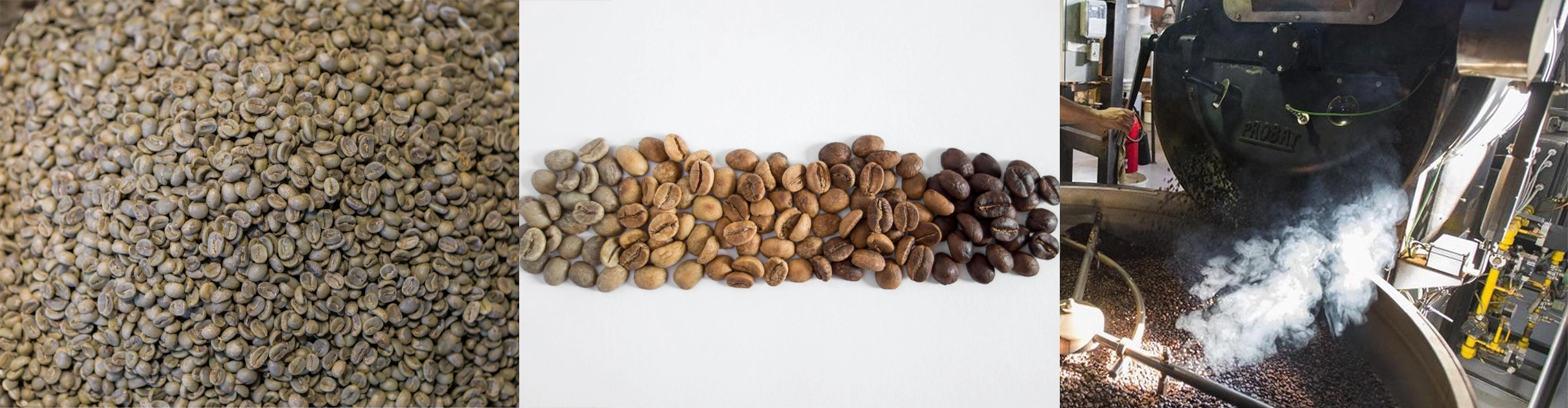
Roasting coffee is not just “heating beans.”
It’s a chemical transformation.
Green coffee beans contain moisture, sugars, and organic compounds that react under heat. As temperature rises, the beans:
- Expand
- Crack
- Release aroma
- Change color
Each stage influences acidity, sweetness, and body.
Before buying equipment, beginners should understand that roasting is about control, not speed.
2. What You Need to Begin
Starting doesn’t require a professional setup.
At minimum, you’ll need:
- Green coffee beans
- A heat source (dedicated roaster or alternative method)
- A timer
- Cooling surface or tray
- Proper ventilation
Many beginners start with simple tools, but consistency becomes difficult without temperature control.
Dedicated systems such as Mago Maga coffee roasting equipment allow small-batch experimentation with more predictable heat management — which reduces frustration for beginners.
3. Choosing Your First Roaster
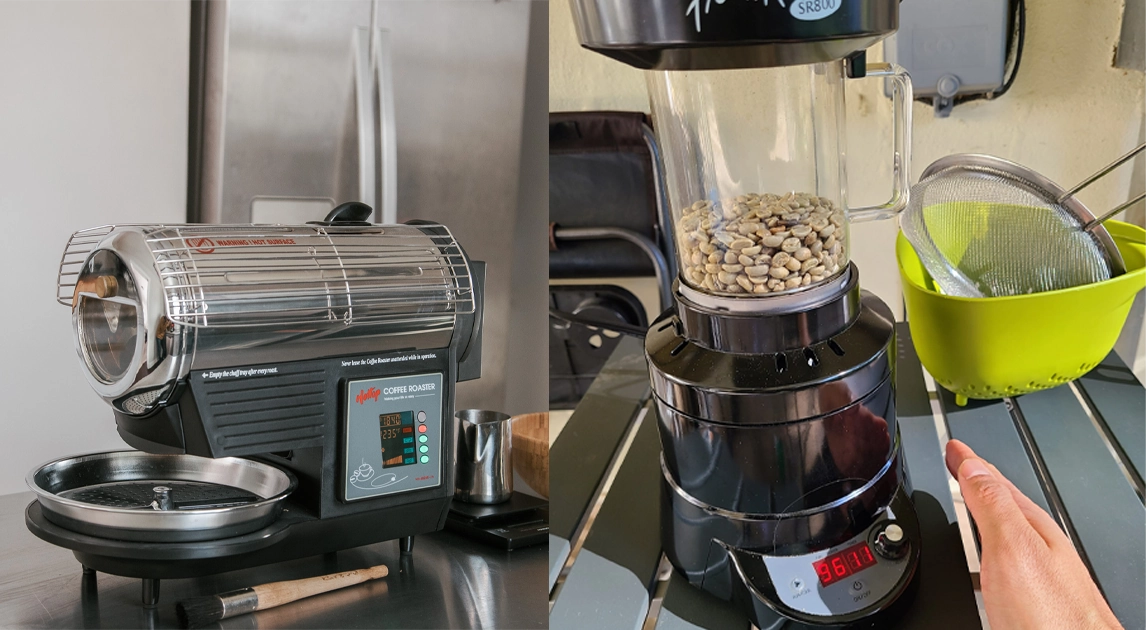
When selecting your first roaster, focus on:
- Batch size (start small)
- Adjustable temperature
- Smoke control
- Ease of cleaning
Avoid the temptation to buy industrial-grade equipment immediately.
Learning curve matters more than power output.
A small-batch setup helps you understand how beans react to heat before scaling.
4. Step-by-Step: Your First Roast
Here’s a simplified beginner workflow:
4.1 Preheat your roaster.
4.2 Add green beans.
4.3 Monitor color change.
4.4 Listen for the “first crack.”
4.5 Decide whether to stop (light roast) or continue (medium/dark).
4.6 Cool beans quickly to stop development.
The first crack sounds like popcorn — subtle but distinct.
Stopping shortly after first crack produces lighter roasts with brighter acidity. Extending development creates deeper, more caramelized flavors.
Expect imperfections in early batches. That’s part of the process.
5. Ventilation and Safety
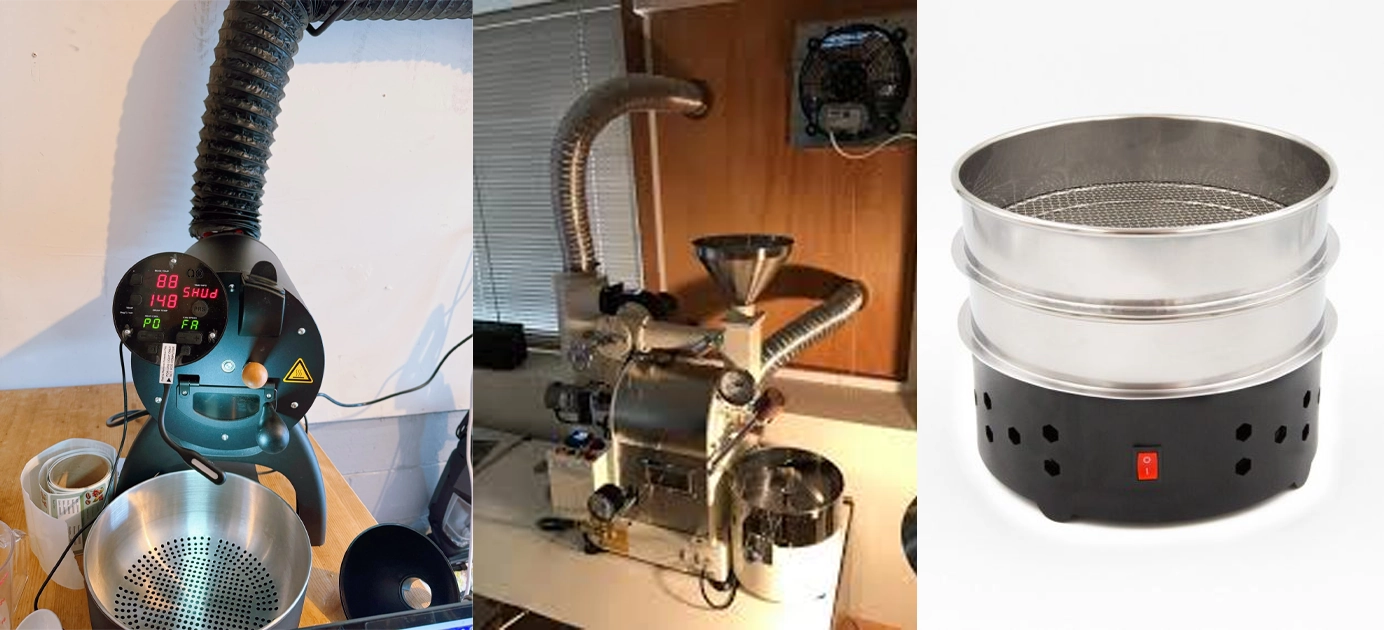
Roasting produces smoke and chaff (bean husk).
Best practices:
- Roast near a window or under ventilation
- Keep flammable materials away
- Never leave roasting unattended
- Cool beans immediately after roast
Safety should always come before experimentation.
6. Let the Beans Rest
Freshly roasted beans release carbon dioxide.
Brewing immediately can lead to uneven extraction.
General resting guidelines:
- Light roast: 3–5 days
- Medium roast: 2–4 days
- Dark roast: 1–3 days
Keeping notes during each roast helps improve consistency over time.
7. Common Beginner Mistakes
- Roasting too dark too quickly
- Ignoring temperature changes
- Skipping proper cooling
- Buying too much equipment too early
Roasting is iterative. Improvement comes from small adjustments rather than drastic changes.
8. When to Upgrade
Upgrade your equipment when:
- You understand roast profiles
- You want greater batch consistency
- You’re experimenting with multiple origins
- You want better smoke management
If you're exploring options before investing further, reviewing current Coffee, Tea & Espresso deals can help compare available tools and equipment.
9. Final Thoughts
Starting home coffee roasting is less about achieving perfection and more about learning control.
Your first few batches may be inconsistent — that’s normal.
With patience, proper ventilation, and a manageable setup, roasting becomes an engaging extension of everyday coffee brewing.