Bluetooth Tracker vs GPS Tracker: What’s the Difference?
Key Takeaways
- Bluetooth trackers connect to smartphones via Bluetooth, offering 30-120m range, long battery life for keys, wallets, and luggage.
- GPS trackers use satellite systems for global, long-distance tracking of vehicles, fleets, and pets, often requiring more power and subscriptions.
- Bluetooth trackers are small, affordable, with long battery life and no subscription. GPS trackers are larger, more expensive, with shorter battery.
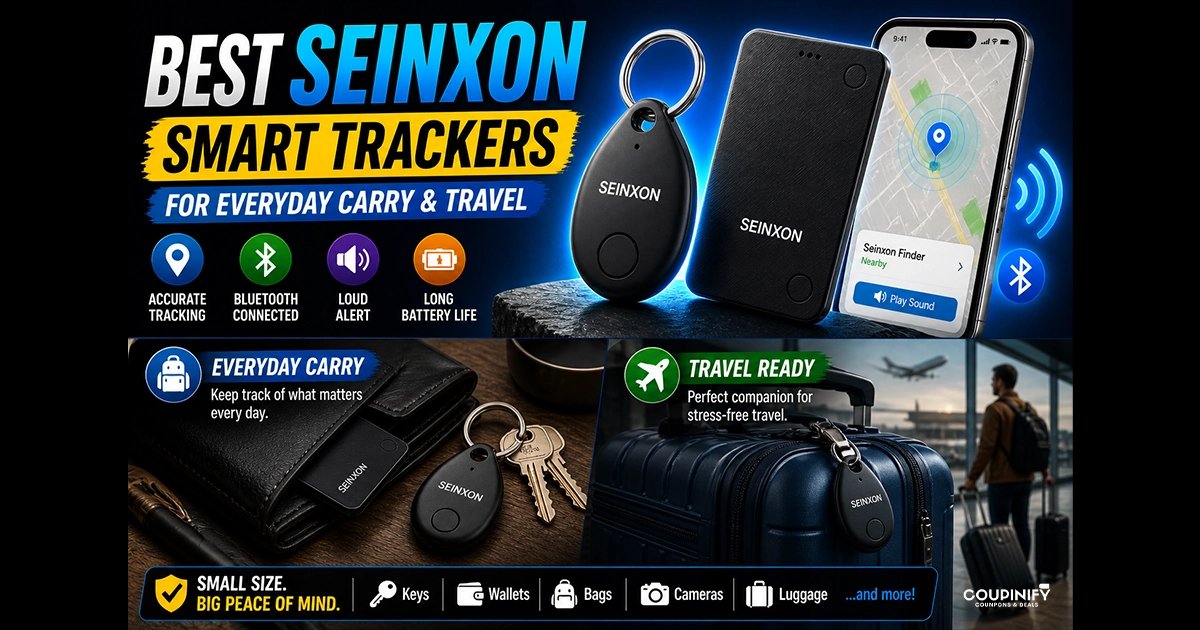
- Bluetooth trackers, like Seinxon devices, are ideal for everyday items such as keys, wallets, and small luggage, offering separation alerts.
- GPS trackers are more useful for long-distance tracking needs, including vehicles, outdoor adventure equipment, and pets across large areas.
- For travel, lightweight, affordable Bluetooth trackers are the best choice for personal belongings, and most do not require a subscription.
Smart tracking devices have become one of the most useful travel accessories in recent years. These small devices help people locate lost items such as keys, luggage, backpacks, and even pets.
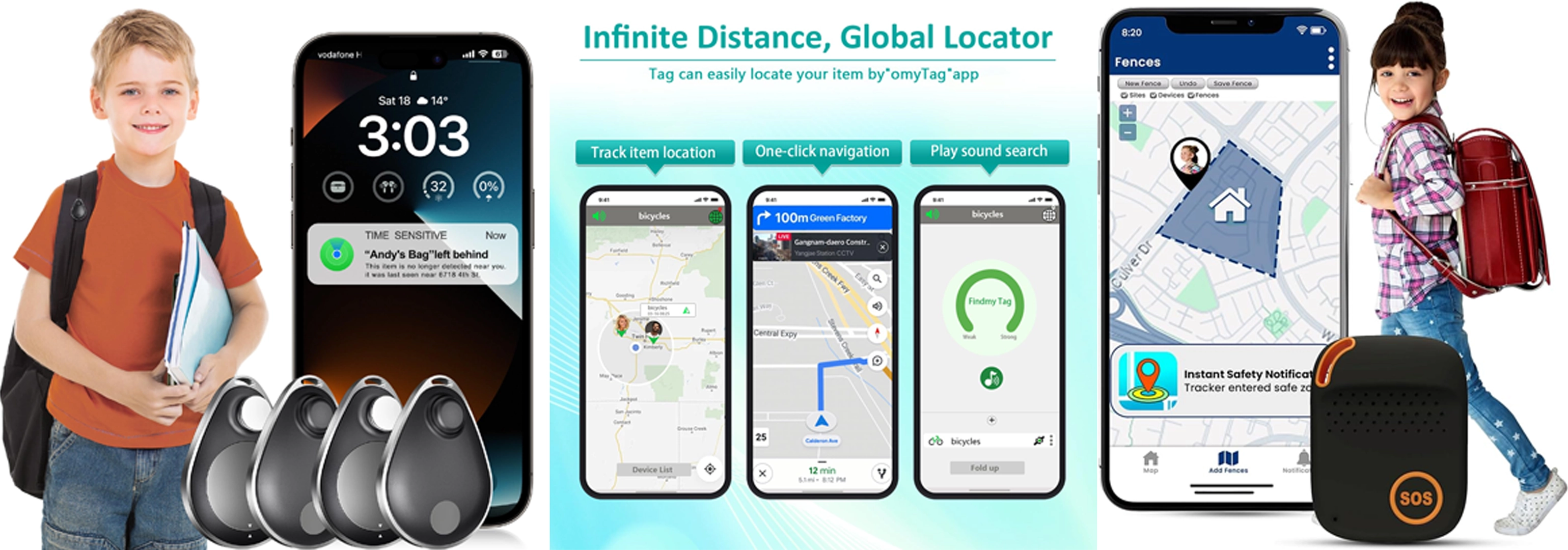
However, many travelers are unsure about the difference between Bluetooth trackers and GPS trackers. While both devices are designed to help locate items, they work in very different ways.
If you're new to this technology, you can first explore our Smart Trackers or browse the Electronic Accessories. Travelers interested in practical tracking solutions can also visit the Seinxon smart tracker store.
What Is a Bluetooth Tracker?
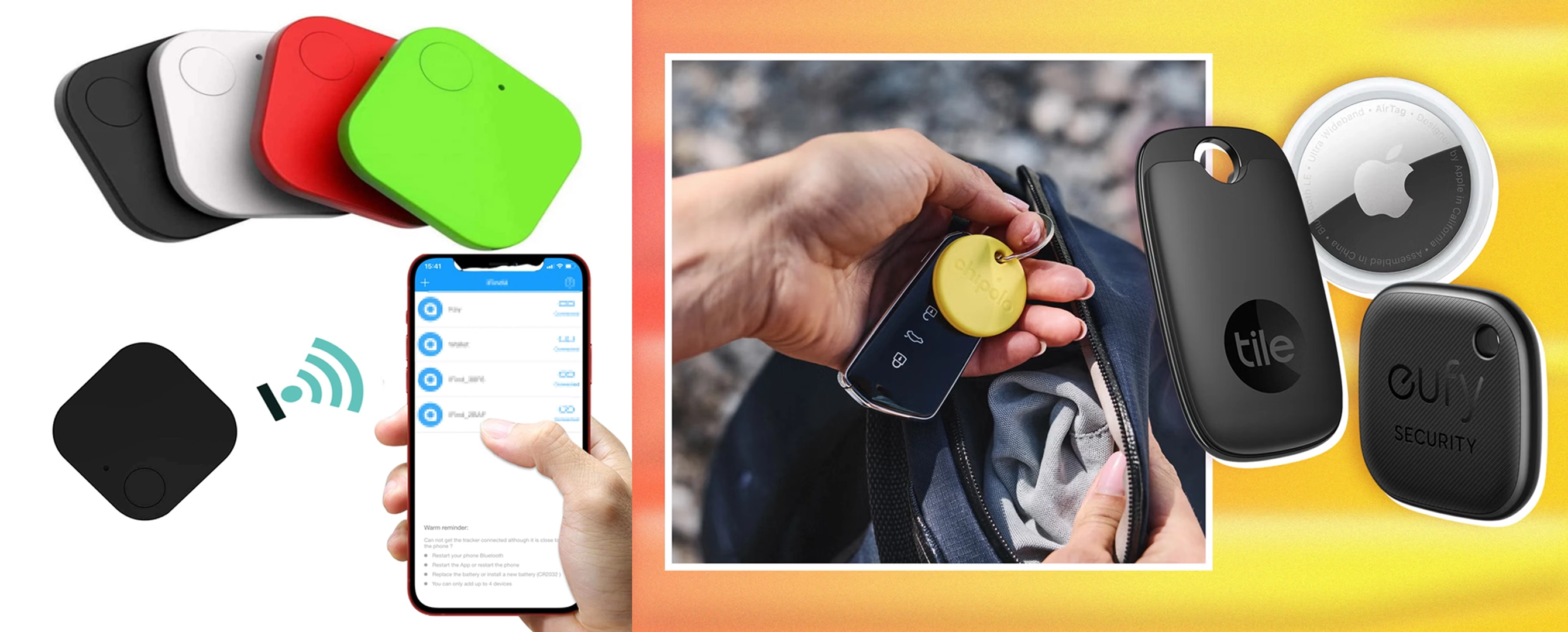
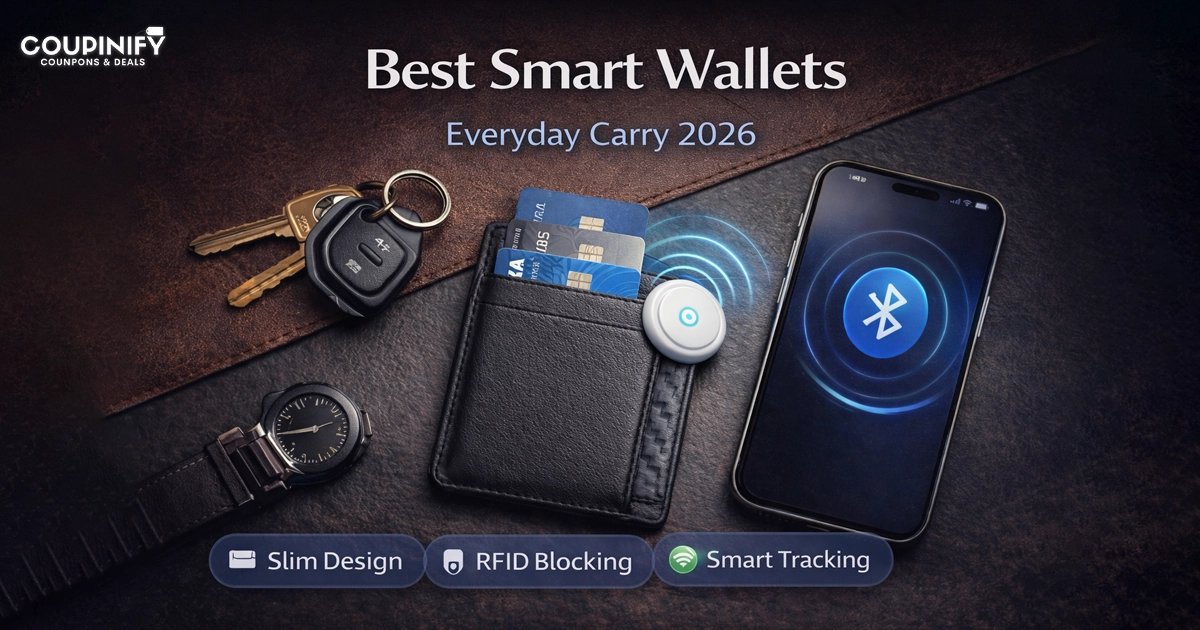
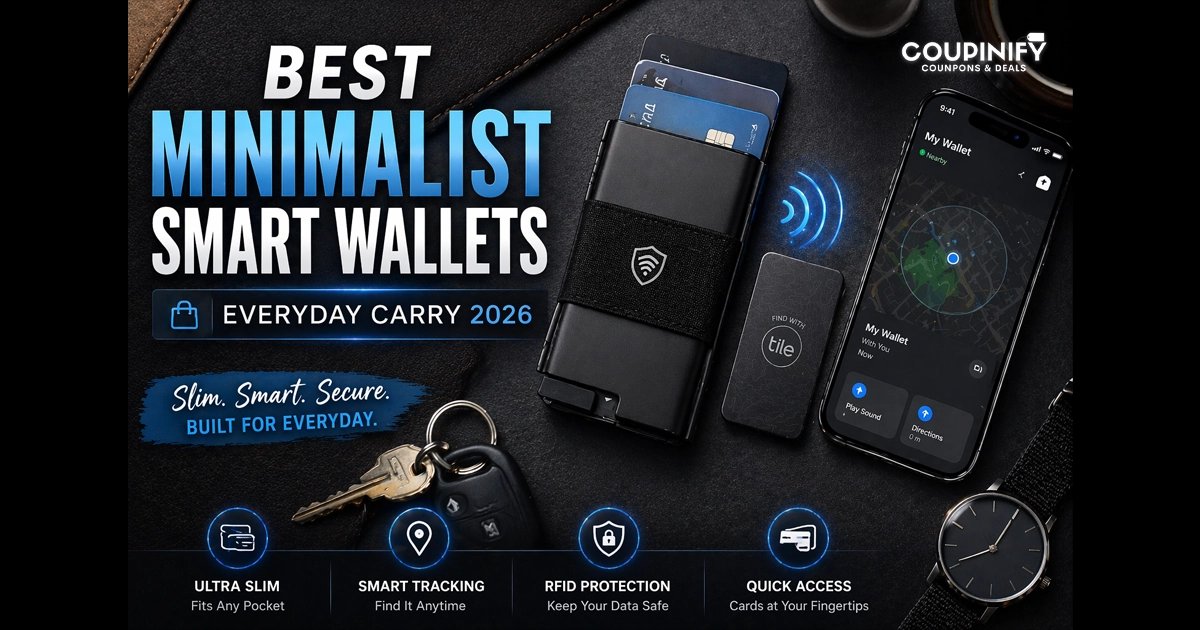
A Bluetooth tracker is a small wireless device that connects to your smartphone using Bluetooth technology.
These trackers are commonly attached to:
- keys
- backpacks
- wallets
- luggage
- camera bags
When the device is within Bluetooth range, you can locate it using a mobile app.
Typical range:
30–120 meters
Because they are small and energy efficient, Bluetooth trackers usually have long battery life.
If you want to understand the technology behind them, our guide on how smart tracking devices work explains it in more detail.
What Is a GPS Tracker?
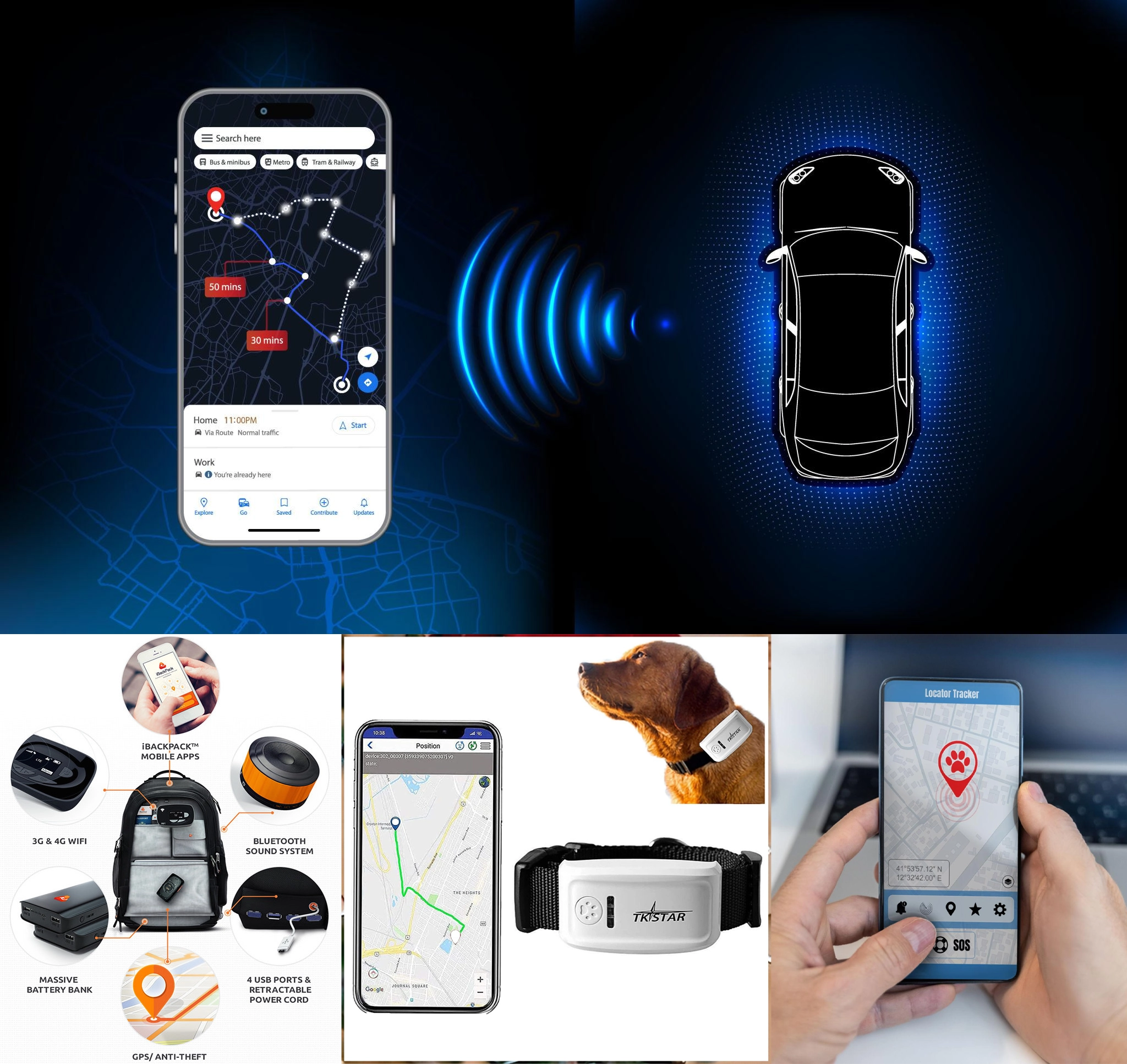
GPS trackers work differently from Bluetooth trackers.
Instead of relying on Bluetooth signals, GPS trackers use satellite positioning systems to determine the location of a device.
This allows GPS trackers to track items across very long distances, even across cities or countries.
GPS trackers are commonly used for:
- vehicle tracking
- fleet monitoring
- pet tracking
- outdoor equipment tracking
However, GPS trackers often require:
- more power
- larger hardware
- sometimes a subscription plan
Key Differences Between Bluetooth and GPS Trackers
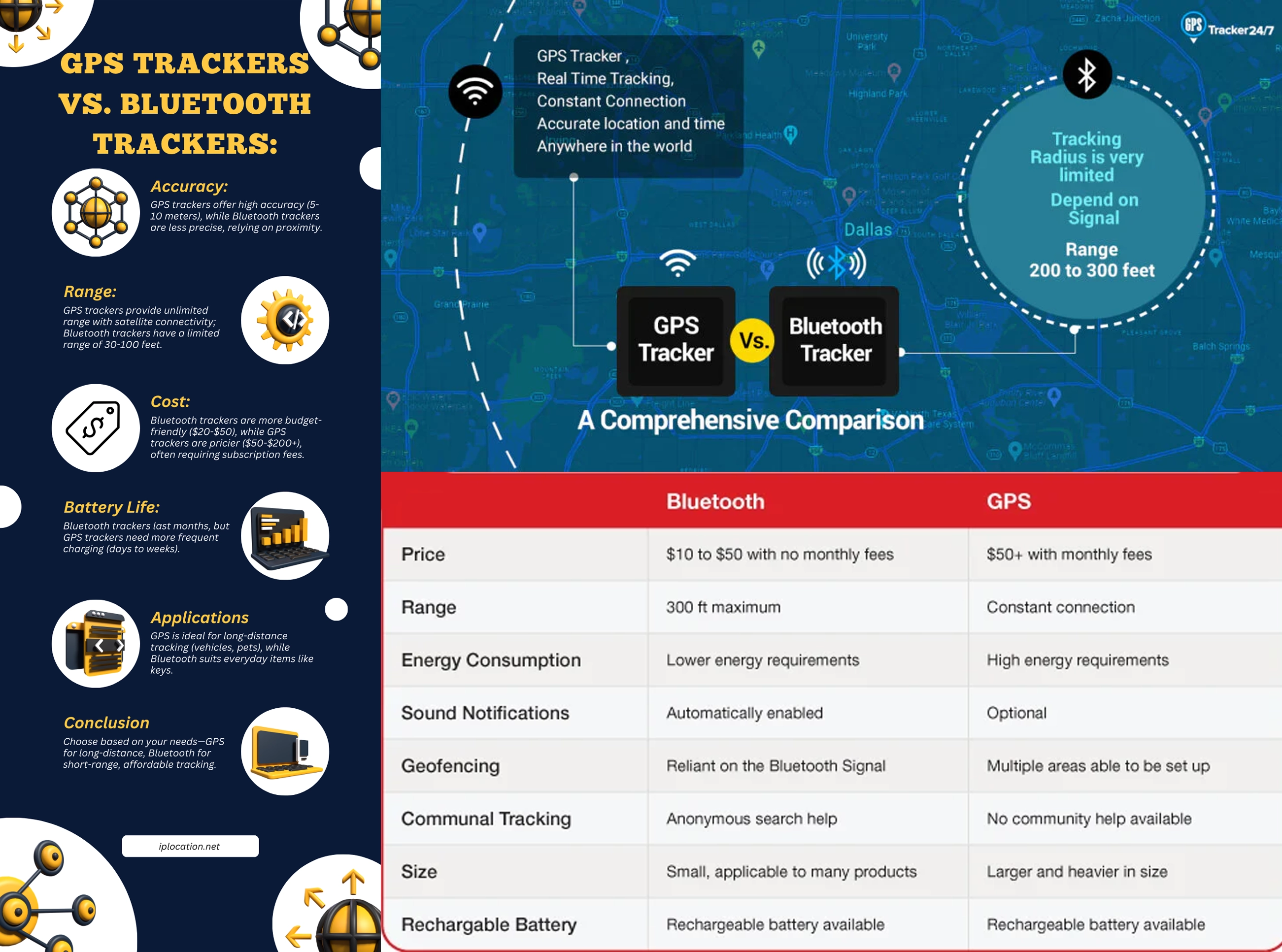
| Feature | Bluetooth Tracker | GPS Tracker |
|---|---|---|
| Range | Short distance | Global |
| Battery life | Long | Shorter |
| Device size | Very small | Larger |
| Cost | Affordable | More expensive |
| Subscription | No | Often required |
For everyday use, most people prefer Bluetooth trackers because they are portable and easy to carry.
When Bluetooth Trackers Are the Better Choice
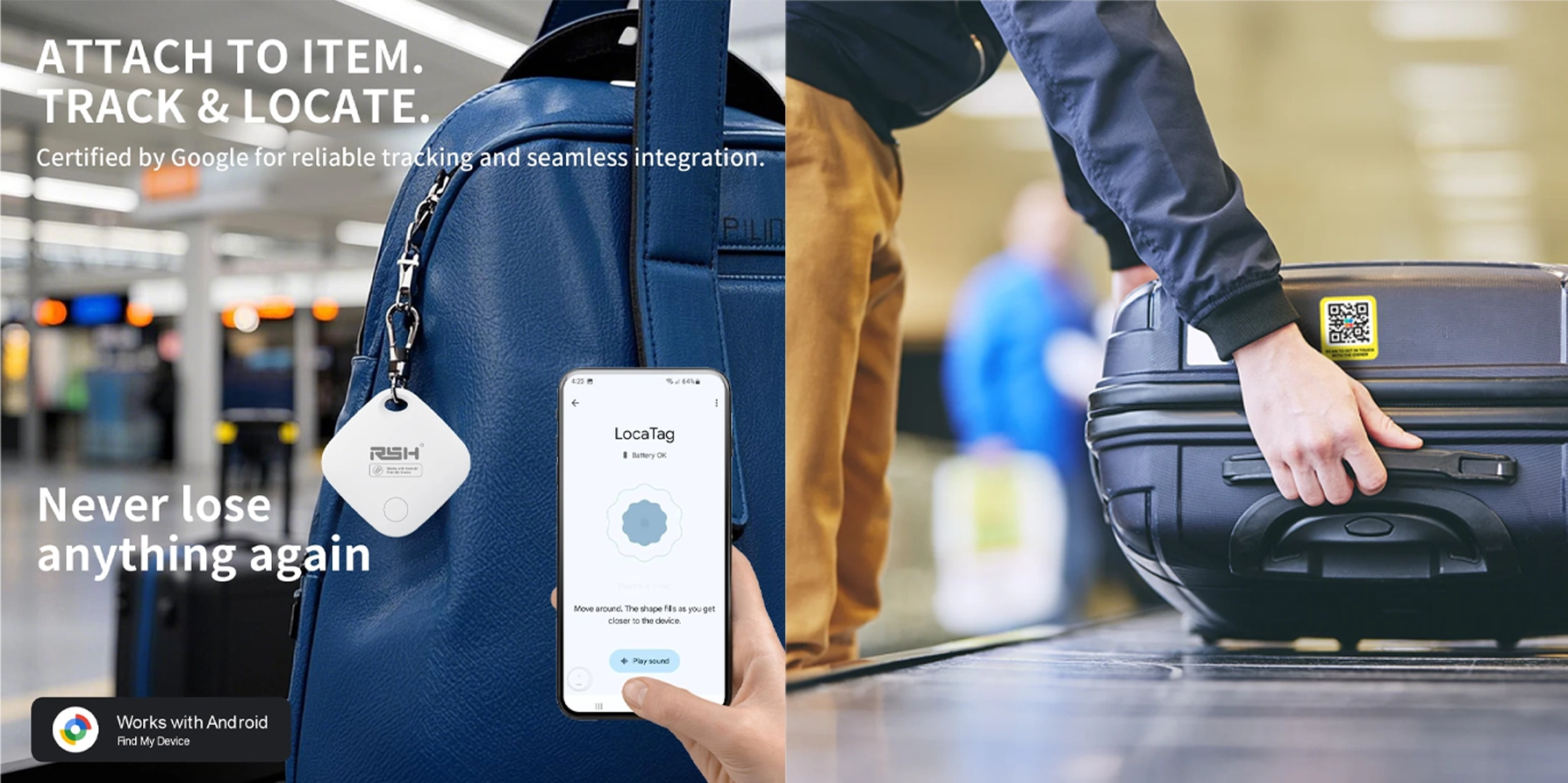
Bluetooth trackers are ideal for everyday items.
They are commonly used to track:
- keys
- wallets
- backpacks
- handbags
- small luggage
Many modern trackers also include features like:
- separation alerts
- last known location
- phone-finding functions
Brands such as Seinxon smart trackers focus on compact devices designed for daily carry.
When GPS Trackers Are More Useful
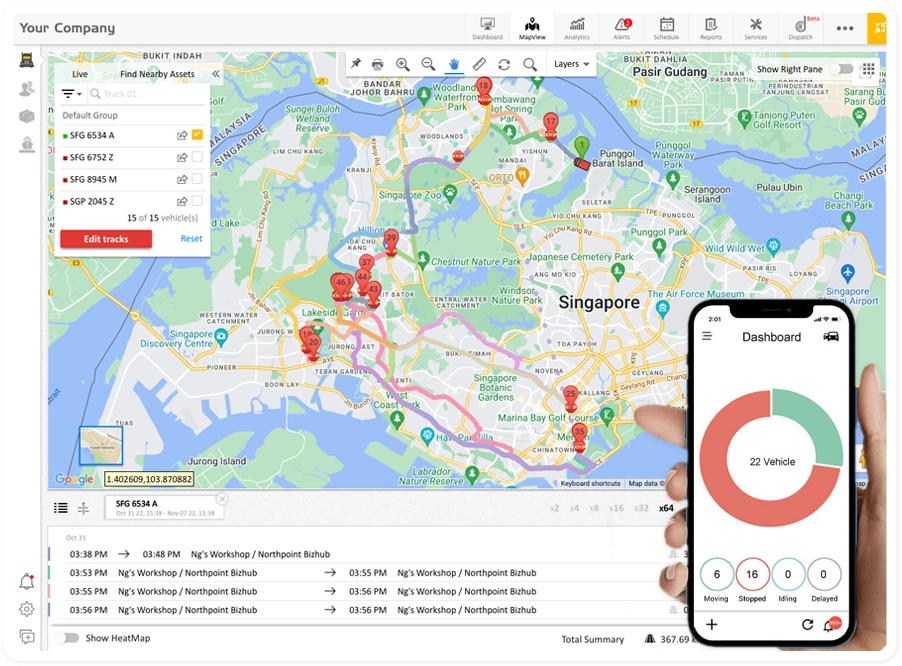
GPS trackers are more suitable when long-distance tracking is required.
Examples include:
- vehicle tracking
- outdoor adventure equipment
- pet tracking across large areas
However, these devices are usually larger and require more power.
For everyday travel, Bluetooth trackers are usually the more convenient option.
Choosing the Right Tracker for Travel
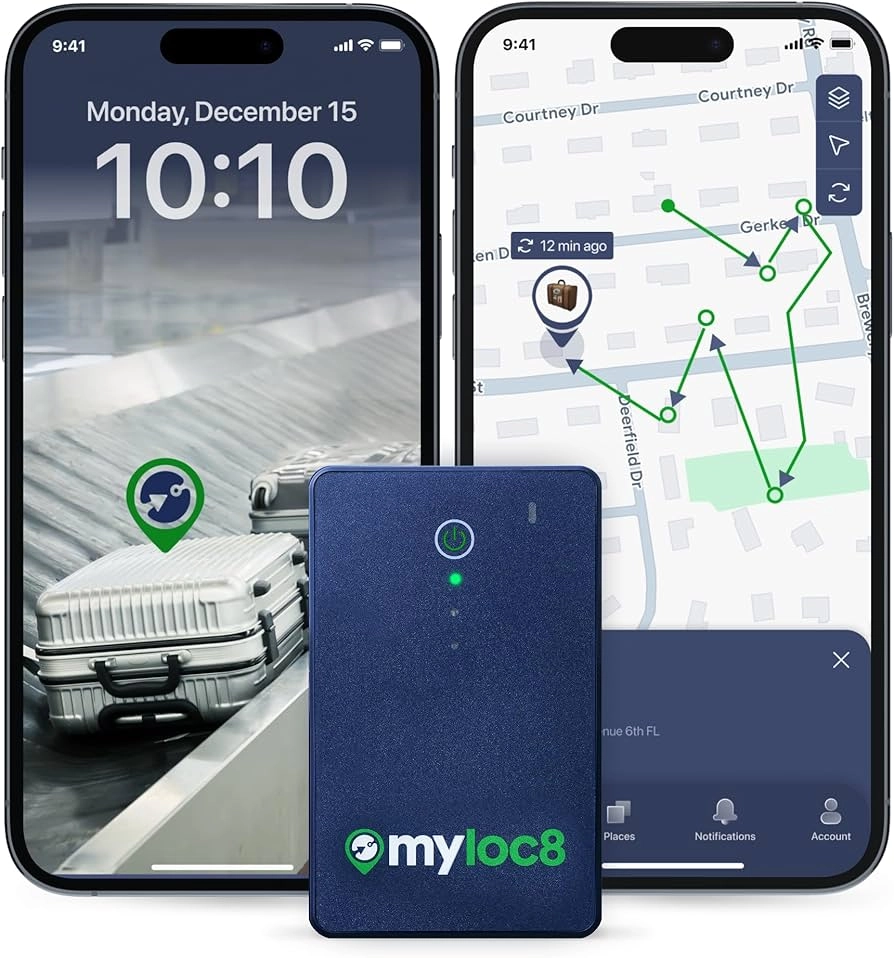
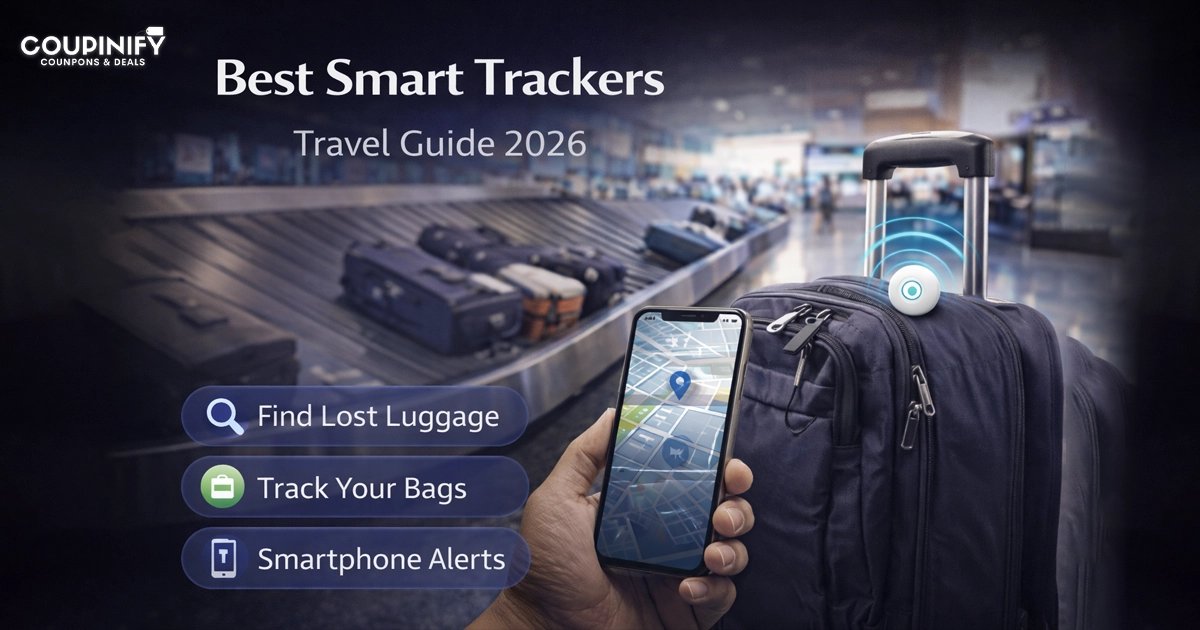
If your goal is to prevent losing personal belongings during travel, Bluetooth trackers are usually the best choice.
They are:
- lightweight
- easy to attach
- simple to use
- affordable
If you want to explore more tracking solutions, visit the smart trackers topic guide, browse the electronics and technology hub, or explore deals on the Seinxon smart tracker store.
FAQ
Are Bluetooth trackers good for luggage?
Yes. Bluetooth trackers are commonly used to track luggage and backpacks during travel.
Do Bluetooth trackers require a subscription?
Most Bluetooth trackers do not require a subscription.
Can Bluetooth trackers work without internet?
Yes. Bluetooth trackers connect directly to your phone and do not require internet access within range.