What Are Smart Tracking Devices and How Do They Work?
Key Takeaways
- Smart tracking devices are compact electronic accessories connecting to phones via Bluetooth or GPS networks to locate personal items.
- They use Bluetooth for direct connection (30-120m range) for sound alerts and last known location via app.
- Network-assisted tracking, like with Seinxon devices, uses broader networks to update location beyond Bluetooth range in public spaces.
- Accuracy depends on Bluetooth range and network support. Most use CR2032 batteries lasting 6–12 months with minimal maintenance.
- Trackers are practical for travelers, students, and remote workers to organize and locate items, reducing stress and saving time.
- Smart trackers are compact, Bluetooth-based, and affordable for personal items, distinct from larger, subscription GPS trackers.
1. Ever Lost Something Important?
You’re heading to the airport. Boarding time is close. Suddenly, you can’t find your luggage in a crowded terminal.
Or maybe your keys disappear right before an important meeting.
This is exactly where smart tracking devices enter the picture.
Small, lightweight, and designed to connect to your smartphone, these devices help users locate personal belongings in seconds instead of minutes — or worse, hours.
2. What Is a Smart Tracking Device?
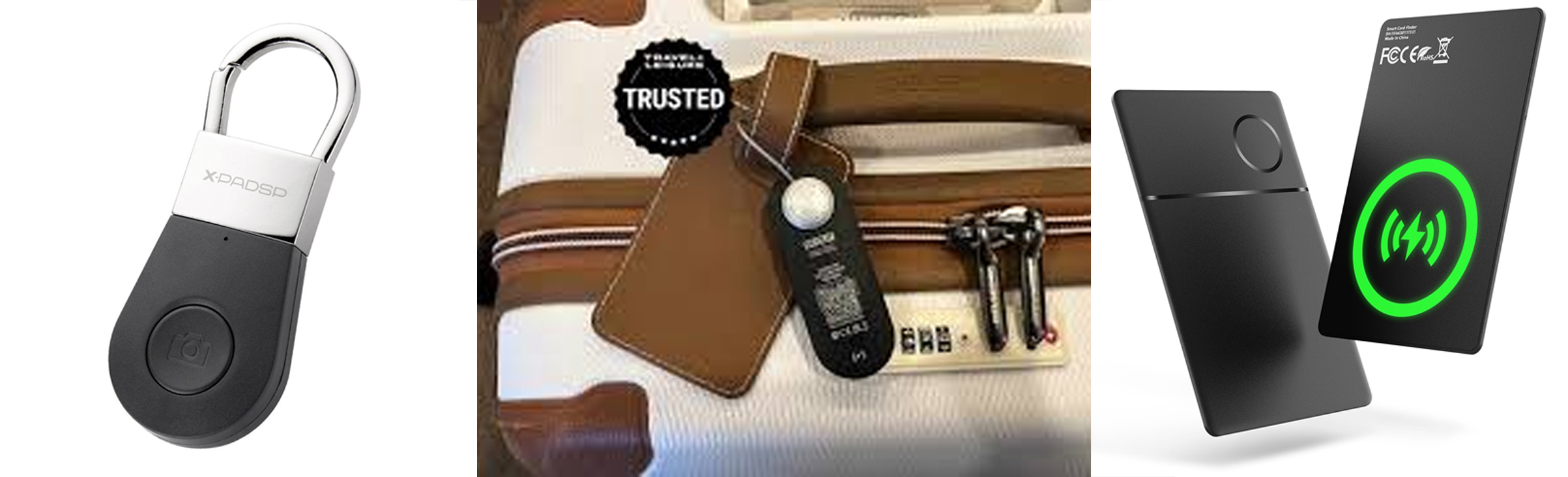
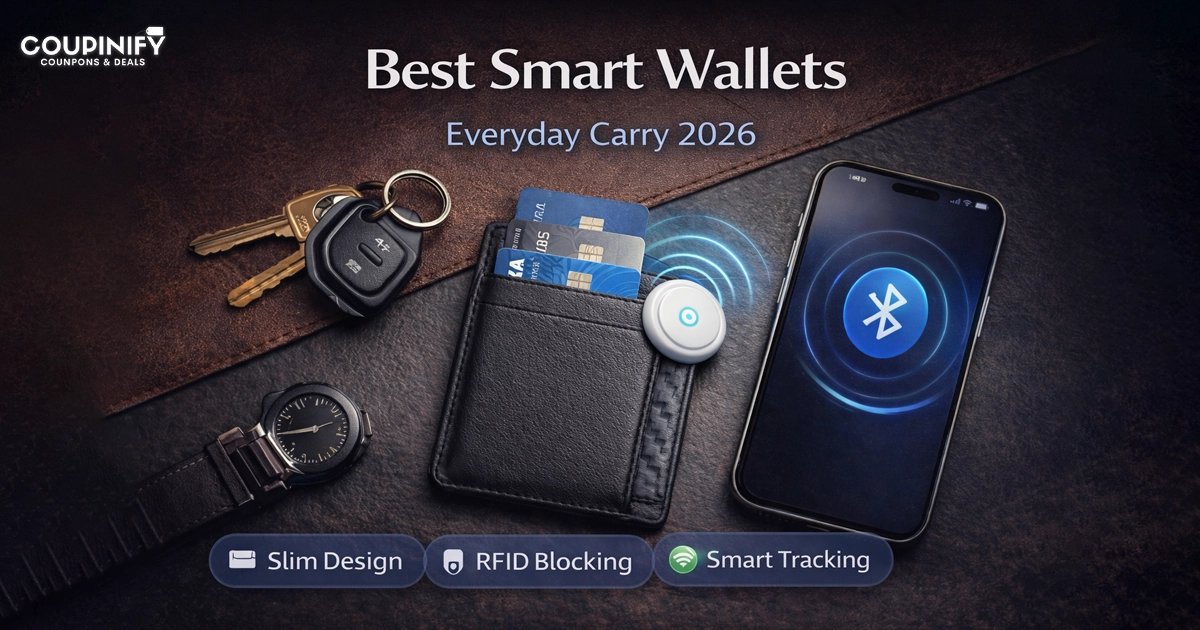
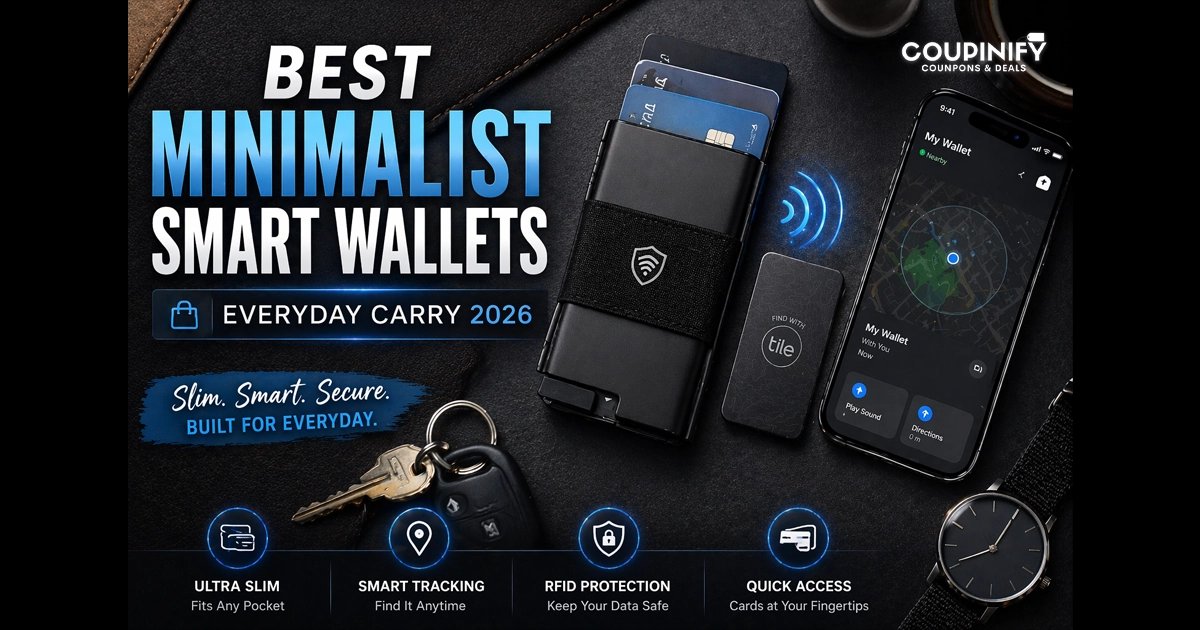
A smart tracking device is a compact electronic accessory that connects to your phone via Bluetooth (or sometimes GPS-supported networks).
It can be attached to:
- Keys
- Wallets
- Backpacks
- Luggage
- Camera bags
- Even pet collars
When the item moves out of range — or gets misplaced — the paired app helps you track its last known location.
Unlike large GPS trackers used in vehicles, consumer smart trackers are built for everyday portability.
3. How Do Smart Trackers Actually Work?
Most smart tracking devices rely on one of two systems:
Bluetooth-Based Tracking
The tracker connects directly to your phone within a limited range (usually 30–120 meters).
If you lose your item nearby:
- You can trigger a sound alert.
- The app shows signal strength.
- You can see its last connected location.
This method is battery-efficient and ideal for daily use.
Network-Assisted Tracking
Some devices use broader device networks to help locate items beyond Bluetooth range.
If another compatible device passes near your lost item, its location can update anonymously through the network.
This makes tracking more effective in public spaces like airports, malls, or cities.
Brands such as Seinxon smart tracking devices focus on compact form factors and simple everyday usability, making them suitable for travel and routine carry setups.
4. Real-World Use Cases
Smart trackers are not just for “forgetful people.”
They’re practical for:
Frequent Travelers
Attach a tracker to checked luggage for peace of mind during layovers.
Students
Keep one in your backpack to avoid losing essentials on campus.
Remote Workers
Track laptop bags, camera gear, or portable tech kits.
Everyday Minimalists
Avoid losing keys, wallets, or gym bags.
They add a layer of organization rather than acting as emergency-only devices.
5. Are Smart Tracking Devices Accurate?
Accuracy depends on:
- Bluetooth range
- Environmental interference
- Network support
- Battery level
Bluetooth trackers are very accurate at close range, often helping you pinpoint an item within a room.
For long-distance tracking, network-supported systems are more effective than standalone Bluetooth-only models.
6. Battery Life and Maintenance
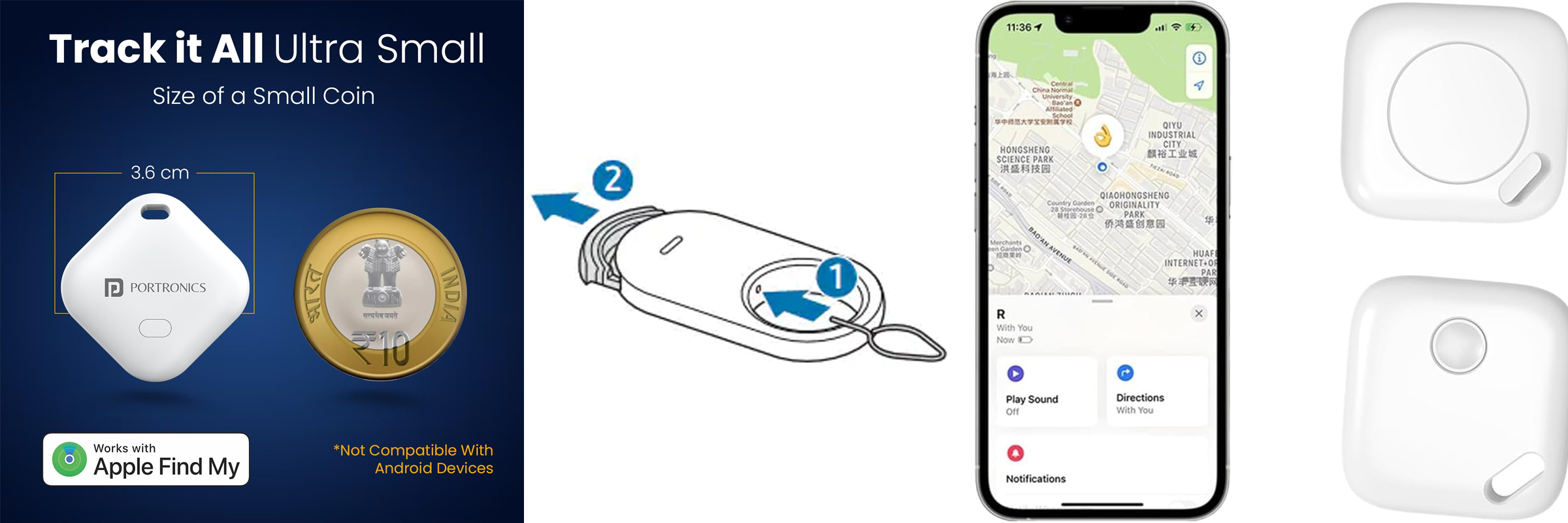
Most smart trackers use small coin-cell batteries (such as CR2032).
Typical battery life:
- 6–12 months
- Easy replacement
- Low power consumption
Maintenance is minimal, making them suitable for long-term daily use.
7. Smart Trackers vs GPS Trackers
It’s important to understand the difference.
Smart tracking devices:
- Compact
- Designed for personal items
- Bluetooth-based
- Affordable
GPS trackers:
- Larger
- Often require subscription
- Designed for vehicles or long-distance tracking
For everyday carry accessories, smart trackers are generally the more practical option.
8. How They Fit Into a Portable Tech Setup
Smart trackers work best when combined with other portable essentials.
For example:
- Power bank
- Charging cable
- Compact tech organizer
- Tracking device
If you're building a full portable setup, you may also want to explore broader portable charging devices and smart tech essentials to see how trackers integrate with other accessories.
9. Final Thoughts
Smart tracking devices aren’t about surveillance — they’re about convenience.
In a world where we carry more tech and travel more frequently, a small tracking accessory can reduce stress and save time.
They’re lightweight, low-maintenance, and practical for modern lifestyles — especially for users who value organization and mobility.
If you're looking for current deals or brand offers, visit our electronics page.