How to Choose a Portable Charger
Key Takeaways
- Portable chargers require balancing capacity, charging speed, port types, and portability to match user needs and device compatibility.
- Capacity (mAh) defines energy storage: 5K-10K for light use, 10K-20K for travel, 20K+ mAh for heavy users. MOVESPEED offers compact designs.
- Fast charging (USB PD, Quick Charge) requires compatible devices. Check output wattage (18W, 20W, 30W+) and USB-C PD. Futurizta Tech offers efficient power.
- Common ports include USB-A, USB-C (essential for newer devices, often fast charging), and Micro-USB. Multiple output ports add flexibility.
- Look for safety features like overcharge, short-circuit, temperature, and overcurrent protection. Higher mAh typically increases weight and bulk.
- A 10,000 mAh power bank charges smartphones 1-2 times, while a 20,000 mAh model provides 3-4 charges, depending on device battery size.
1. Why Choosing the Right Portable Charger Matters
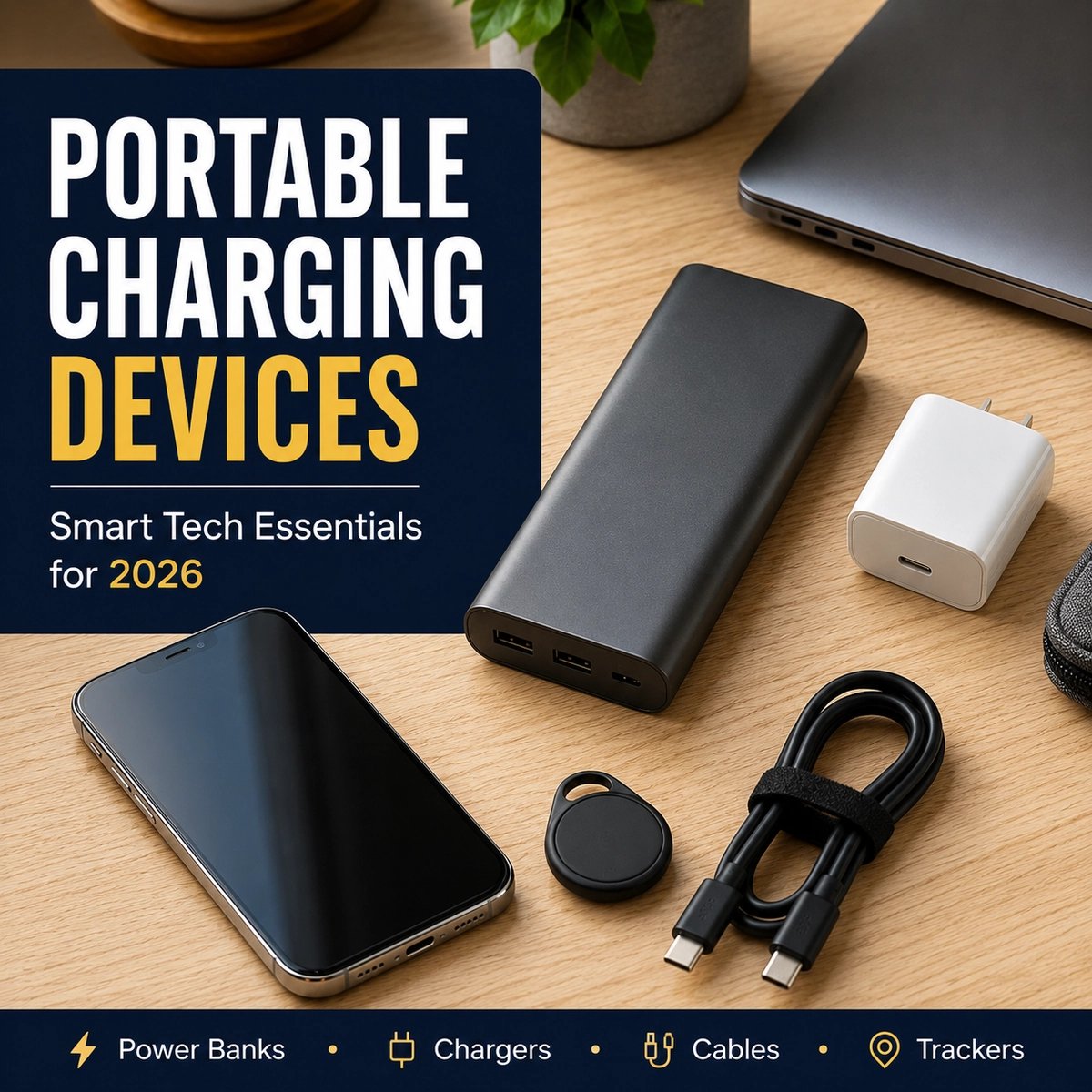
Portable chargers also known as power banks, are an important part of today’s portable charging devices and smart tech essentials used by travelers, remote workers, students, and anyone who relies on multiple devices throughout the day. However, not all power banks are built the same. Capacity, charging speed, port types, and portability can vary significantly.
Understanding how to choose a portable charger helps ensure you select a device that matches your daily power needs rather than simply picking the highest number on the box.
For a broader overview of charging devices and accessories, explore our best portable charging devices and smart tech essentials guide.
2. Understanding Battery Capacity (mAh)
One of the first specifications people notice is battery capacity, usually measured in milliamp-hours (mAh).
What does mAh mean?
mAh indicates how much energy a power bank can store. In general:
• 5,000–10,000 mAh: Suitable for light daily use and emergency top-ups
• 10,000–20,000 mAh: Balanced option for commuting and short travel
• 20,000+ mAh: Better suited for heavy users, long travel days, or charging multiple devices
Battery capacity is measured in milliamp hours, and understanding how many mAh you really need in a power bank helps avoid buying an oversized device.
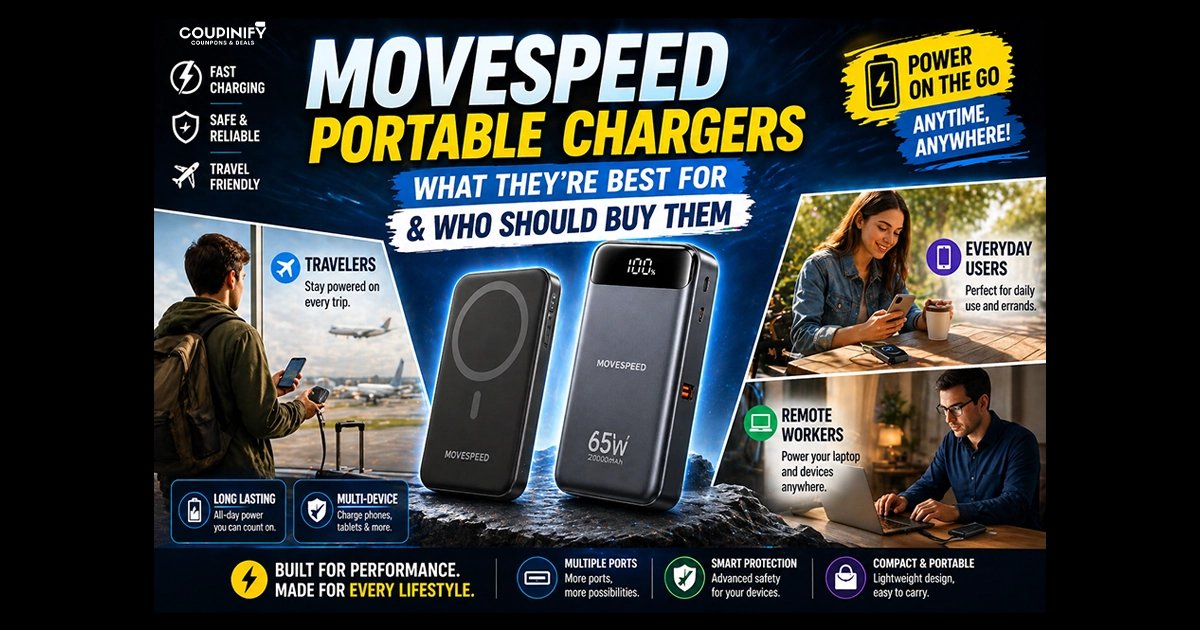
If you regularly carry smartphones, tablets, or even lightweight laptops, higher-capacity options may be more practical. Some MOVESPEED portable power banks focus on offering compact designs while maintaining higher-capacity storage for users who need extended battery support.
3. Charging Speed and Fast Charging Support
Charging speed is just as important as capacity.
Many modern devices support fast charging standards such as USB Power Delivery (PD) or Quick Charge. To benefit from these technologies, both your charger and your device must be compatible.
When comparing charging accessories, it’s helpful to check:
• Output wattage (e.g., 18W, 20W, 30W or higher)
• USB-C Power Delivery support
• Number of fast-charging ports
Futurizta Tech charging accessories are designed to support efficient power delivery for compatible devices, making charging time more manageable for busy users.
4. Port Types and Device Compatibility
A portable charger is only useful if it matches your device connections.
Common port types include:
• USB-A (traditional port)
• USB-C (increasingly common and often supports fast charging)
• Micro-USB (older input standard)
If you use newer smartphones or laptops, USB-C compatibility may be essential. If you carry multiple devices, choosing a power bank with more than one output port can provide added flexibility.
5. Size, Weight, and Portability
High-capacity power banks typically weigh more. While a 20,000 mAh charger may provide multiple recharges, it may also be bulkier.
Before purchasing, consider:
• Will you carry it daily in a bag or pocket?
• Is it mainly for travel emergencies?
• Do you need it for laptop charging?
For frequent travelers, compact yet high-capacity models are often preferred over oversized battery packs.
6. Safety Features to Look For
Reliable portable chargers include built-in safety protections such as:
• Overcharge protection
• Short-circuit protection
• Temperature control
• Overcurrent protection
These features help prevent damage to both the power bank and connected devices. Reputable consumer electronics brands typically highlight these protections in their specifications.
7. How Many Charges Will You Actually Get?
Actual charging output depends on energy conversion efficiency. A 10,000 mAh power bank will not always deliver a full 10,000 mAh to your device due to power loss during conversion.
As a general estimate:
• A 10,000 mAh power bank can charge most smartphones 1–2 times
• A 20,000 mAh model may provide 3–4 charges depending on device battery size
Understanding this helps set realistic expectations.
8. Who Should Choose Which Type?
Light users
If you primarily need emergency backup, a compact 5,000–10,000 mAh device may be sufficient.
Frequent commuters
A 10,000–20,000 mAh charger balances size and reliability.
Heavy device users or travelers
Higher-capacity chargers with fast charging support are often more practical.
Remote workers
If you rely on laptops and multiple devices, ensure the power bank supports adequate wattage output.
9. Frequently Asked Questions
Is a higher mAh always better?
Not necessarily. Higher capacity means more weight. The best option depends on your usage habits.
Does fast charging damage my phone?
Modern devices are designed to manage charging speeds safely when compatible chargers are used.
Can I bring a portable charger on a plane?
Most airlines allow portable chargers within certain capacity limits (often under 100Wh), but regulations can vary.
10. Final Thoughts
Choosing the right portable charger involves balancing capacity, charging speed, compatibility, and portability. Instead of focusing solely on battery size, it’s better to evaluate how the device fits your daily routine.
If you want to compare different portable charging devices or explore broader smart tech essentials, reviewing available options across our Electronics collection can help you identify the most practical setup for your needs.