How Many mAh Do You Really Need in a Power Bank?
Key Takeaways
- mAh measures battery capacity; higher mAh means more energy. Real-world delivery is less than advertised due to energy loss during charging.
- Typical capacities: 5,000 mAh (~1 charge emergency), 10,000 mAh (1-2 charges daily travel), 20,000 mAh (3-4 charges long travel).
- Smartphones average 4,000-5,000 mAh. A 10,000 mAh power bank can typically recharge a 4,500 mAh phone 1.5-2 times.
- Small power banks for light travel are portable. Larger 20,000 mAh chargers are for heavy use but are heavier and take more space.
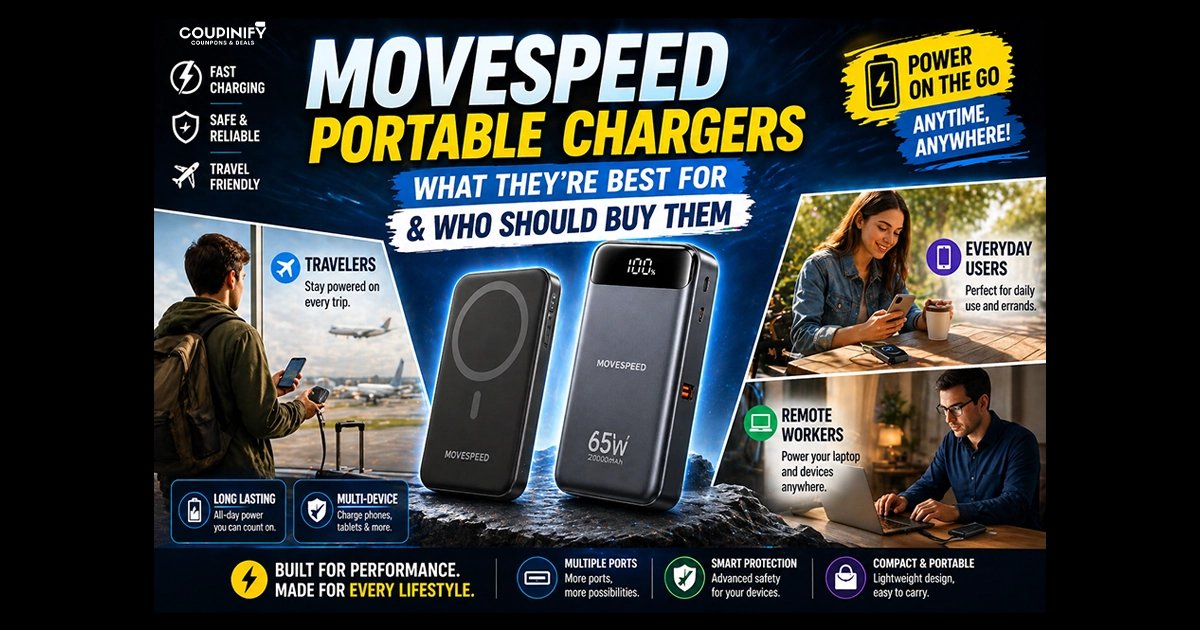
- For most travelers, 10,000 mAh offers ideal balance. Frequent travelers prefer 20,000 mAh. MOVESPEED offers compact, high-capacity solutions.
- Most airlines allow power banks under 100Wh, typically including 20,000 mAh chargers. Fast charging technology impacts performance.
When shopping for a portable charger, one of the most confusing specifications is battery capacity. Most power banks advertise their capacity using mAh (milliamp hours), but many travelers are unsure what that number actually means.
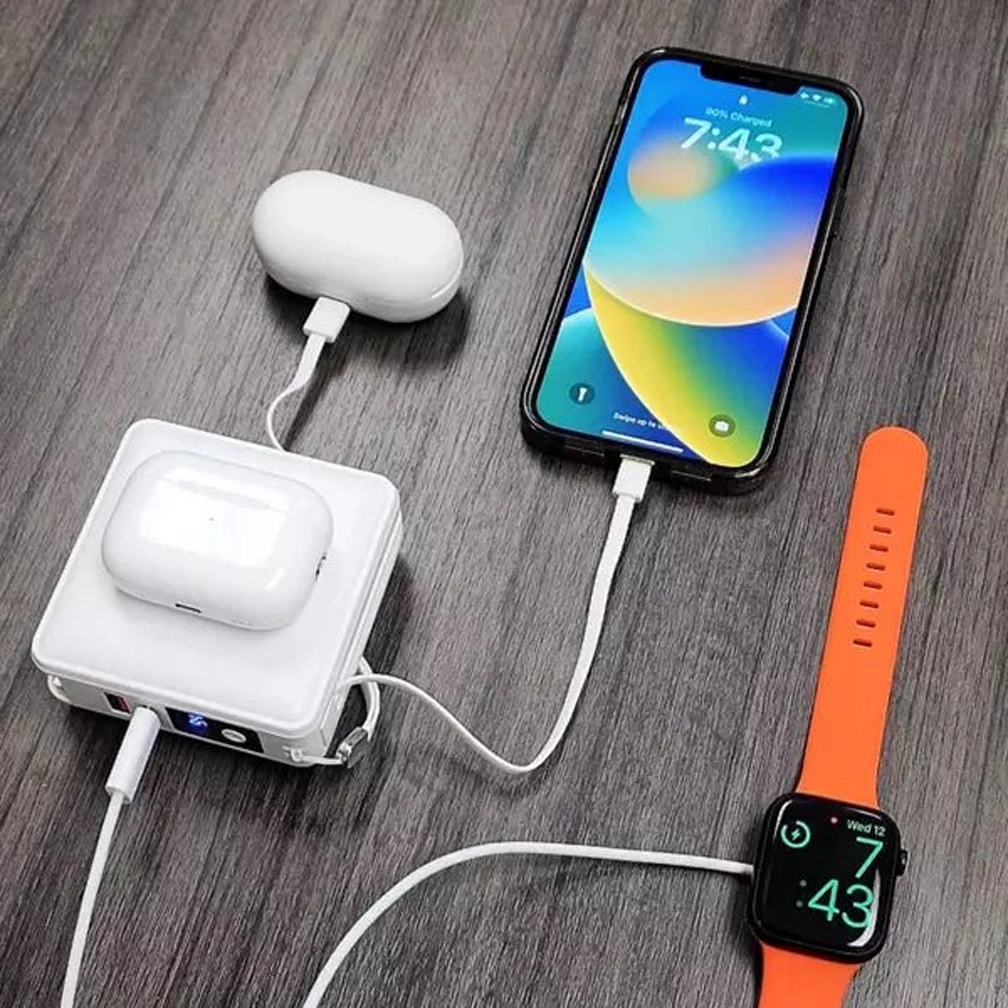
Does a higher number always mean better performance? And how much capacity do you really need for everyday travel?
Understanding power bank capacity can help you choose a charger that balances portability, charging power, and convenience.
If you want to explore different types of charging devices, you can visit our Portable Chargers for more travel tech. Travelers interested in reliable portable charging solutions can also explore the MOVESPEED portable charger store for available deals and promotions.
What Does mAh Mean?
mAh stands for milliamp hours, a unit used to measure battery capacity.
In simple terms:
higher mAh = more stored energy
A larger power bank can charge your devices more times before it needs to be recharged.
However, real-world charging performance depends on several factors:
- phone battery size
- charging efficiency
- cable quality
- fast charging technology
Because of energy loss during charging, a 10,000 mAh power bank will not deliver exactly 10,000 mAh to your phone.
Typical Power Bank Capacities Explained
Understanding common capacity ranges makes it easier to choose the right charger.
| Capacity | Typical Phone Charges | Best Use |
|---|---|---|
| 5,000 mAh | ~1 charge | emergency backup |
| 10,000 mAh | 1–2 charges | daily travel |
| 20,000 mAh | 3–4 charges | long travel days |
| 30,000+ mAh | multiple devices | heavy usage |
For most travelers, 10,000 mAh to 20,000 mAh provides the best balance between portability and charging capacity.
How to Estimate Your Power Needs
A simple way to estimate how much capacity you need is to look at your device battery.
For example:
| Device | Average Battery Size |
|---|---|
| Smartphone | 4,000–5,000 mAh |
| Wireless earbuds | 300–600 mAh |
| Smartwatch | 200–400 mAh |
| Tablet | 7,000–10,000 mAh |
If your smartphone has a 4,500 mAh battery, a 10,000 mAh power bank can typically recharge it about 1.5–2 times.
When a Small Power Bank Is Enough
Smaller power banks are best for light travel.
Typical situations include:
- short city trips
- commuting
- day outings
- backup power for emergencies
Advantages:
- very portable
- lightweight
- fits easily in a pocket or small bag
However, these chargers usually only provide one full phone charge.
When You Need a Larger Power Bank
Higher capacity chargers are useful when:
- traveling long distances
- spending a full day outdoors
- charging multiple devices
- taking many photos or videos
Frequent travelers often prefer 20,000 mAh chargers because they provide several device charges without needing to recharge the power bank.
Many travelers choose portable charging solutions from MOVESPEED because they balance strong battery capacity with compact travel-friendly designs.
Capacity vs Portability
A common mistake is assuming the biggest power bank is always the best option.
Large chargers provide more power, but they also:
- weigh more
- take more space in your bag
- require longer recharge times
For everyday travel, a mid-capacity power bank is often the most practical choice.
If you're still comparing charger types, our guide on how to choose a portable charger explains the most important features to consider.
Charging Speed Also Matters
Capacity is not the only factor that determines charging performance.
Charging speed can make a big difference when you only have limited time to recharge your phone during travel.
Modern portable chargers often include fast charging technology, which allows devices to recharge much quicker than standard chargers.
If you're unsure about the difference between charging technologies, you can read our guide on fast charging vs standard charging.
Recommended Power Bank Size for Travel
For most travelers, these capacity ranges work well:
| Travel Type | Recommended Capacity |
|---|---|
| Light travel | 5,000–10,000 mAh |
| City travel | 10,000 mAh |
| Frequent travel | 10,000–20,000 mAh |
| Heavy device users | 20,000 mAh + |
Understanding your usage habits helps ensure you choose a charger that is powerful enough without carrying unnecessary weight.
Conclusion
Choosing the right power bank capacity depends on how often you use your devices and how long you spend away from power outlets.
For most travelers, a 10,000 mAh power bank offers the ideal balance between portability and charging power. Larger capacities may be better for extended travel or charging multiple devices.
To explore more charging options, visit the portable chargers topic guide, browse the electronics and technology hub, or explore deals available on the MOVESPEED brand store.
FAQ
Is a 10,000 mAh power bank enough for travel?
For most travelers, yes. A 10,000 mAh charger typically provides one to two smartphone charges.
Is a 20,000 mAh power bank allowed on flights?
Most airlines allow power banks below 100Wh, which usually includes most 20,000 mAh chargers.
Do power banks lose energy during charging?
Yes. Energy loss during conversion means the full capacity is not delivered to the device.