Smart Wallets vs Traditional Wallets: Which One Is Better for Everyday Carry?
Key Takeaways
- Traditional wallets offer flexible storage for many cards and cash but often become bulky and uncomfortable for everyday carry.
- Smart wallets prioritize efficiency with a slim profile, quick card access, and cleaner organization for essential items.
- Smart wallets feature slide or pop-up mechanisms for instant card access, a significant advantage over traditional wallet searching.
- Smart wallets are slimmer, ideal for comfortable front-pocket carry and modern minimalist setups, unlike bulky traditional wallets.
- Many smart wallets include modern features like RFID blocking and tracker card compatibility for enhanced security and recoverability.
- Choose traditional for high capacity and cash. Opt for smart wallets for slim carry, fast access, and modern features.
Choosing between a traditional wallet and smart wallets often comes down to everyday convenience. Some people prefer maximum storage, while others want slimmer carry and faster card access. Both options work well, but they are designed for different everyday carry styles.
Understanding these differences helps you decide which wallet actually fits your daily routine.
Traditional Wallet: Familiar but Often Bulky
Traditional wallets usually include multiple card slots, a bill compartment, and sometimes extra space for coins or receipts. This makes them flexible and easy to use.
However, that flexibility often turns into clutter. Over time, traditional wallets become thicker and less comfortable to carry. Sitting with a bulky wallet in your pocket can also feel uncomfortable.
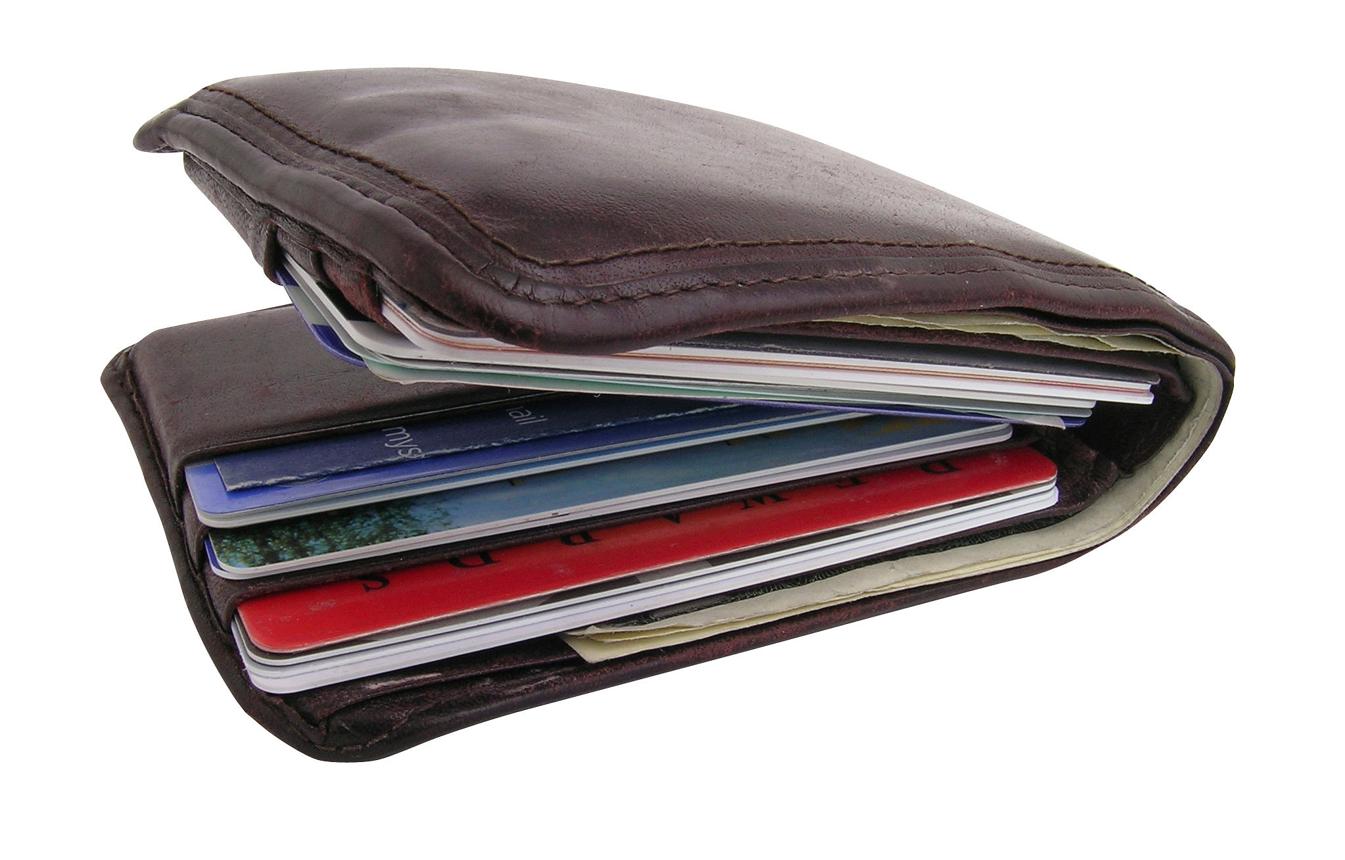
For users who carry many cards or frequently use cash, traditional wallets still work well. But for minimal everyday carry, they can feel oversized.
Smart Wallet: Designed for Slim Everyday Carry
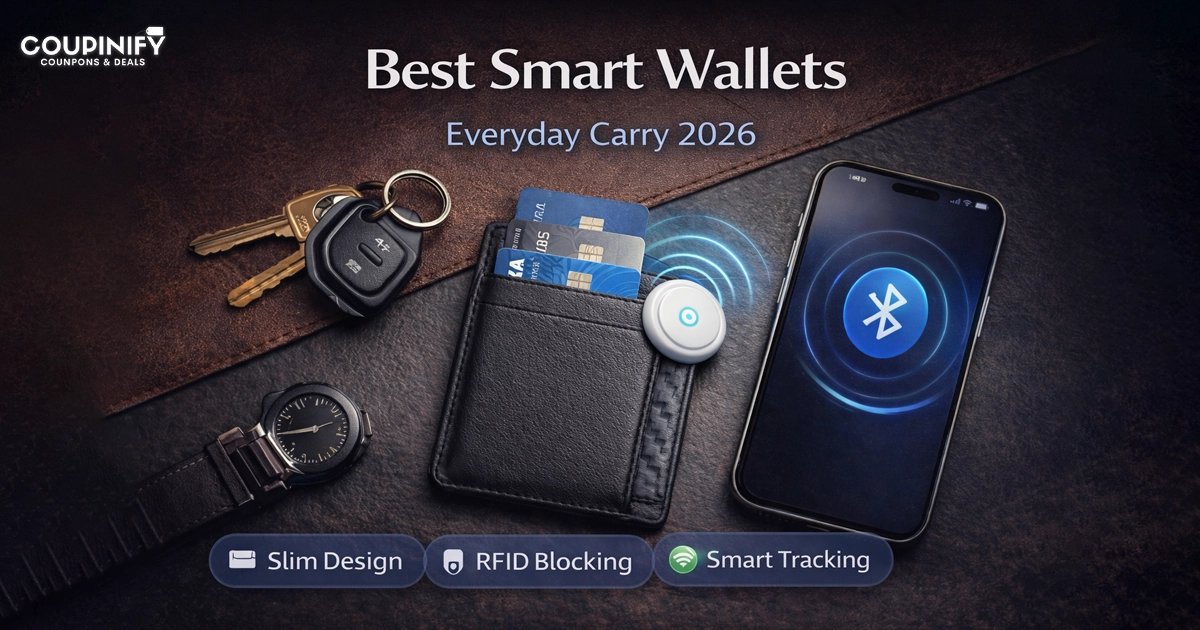
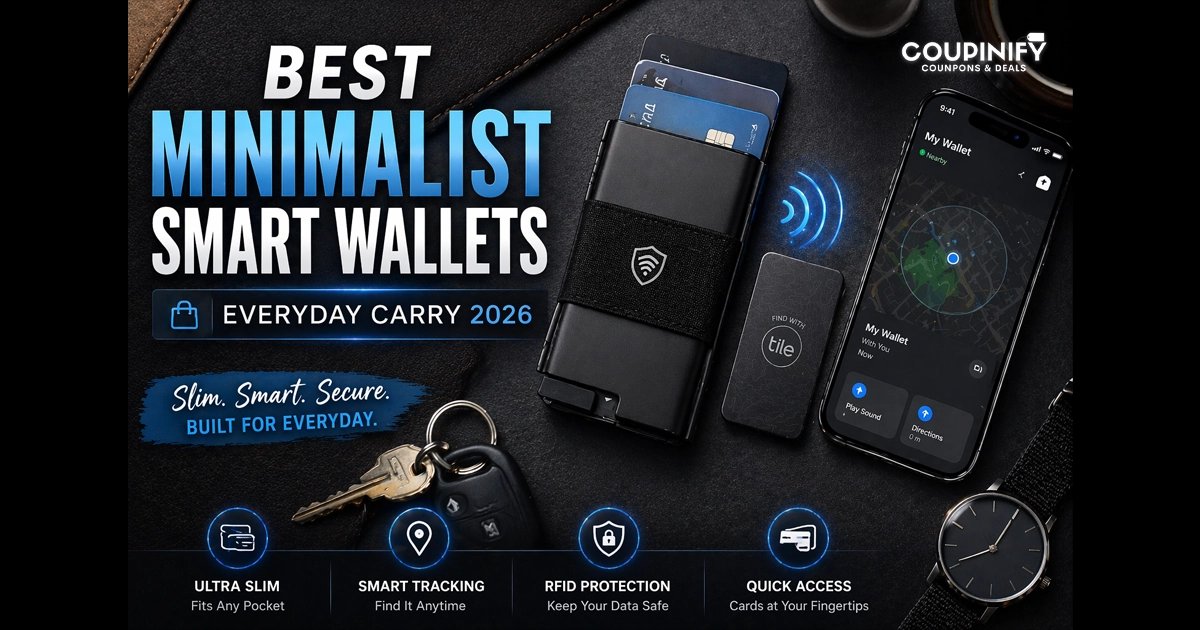
Smart wallets focus on efficiency rather than storage. Instead of holding everything, they are designed to carry only essential items in a more organized way.
Typical features include:
- slim profile
- quick card access
- front pocket carry
- RFID blocking
- cleaner organization
This design reduces bulk and improves comfort, especially for daily use.
Card Access: Where Smart Wallets Stand Out
One of the biggest practical differences is how quickly you can get to the card you need.
With a traditional wallet, you usually open it, search through stacked slots, and pull a card out manually. That is familiar but slower.
Smart wallets often use a slide or pop-up mechanism. Cards fan out instantly, making them easier to grab. If you use your wallet frequently, this difference becomes noticeable.
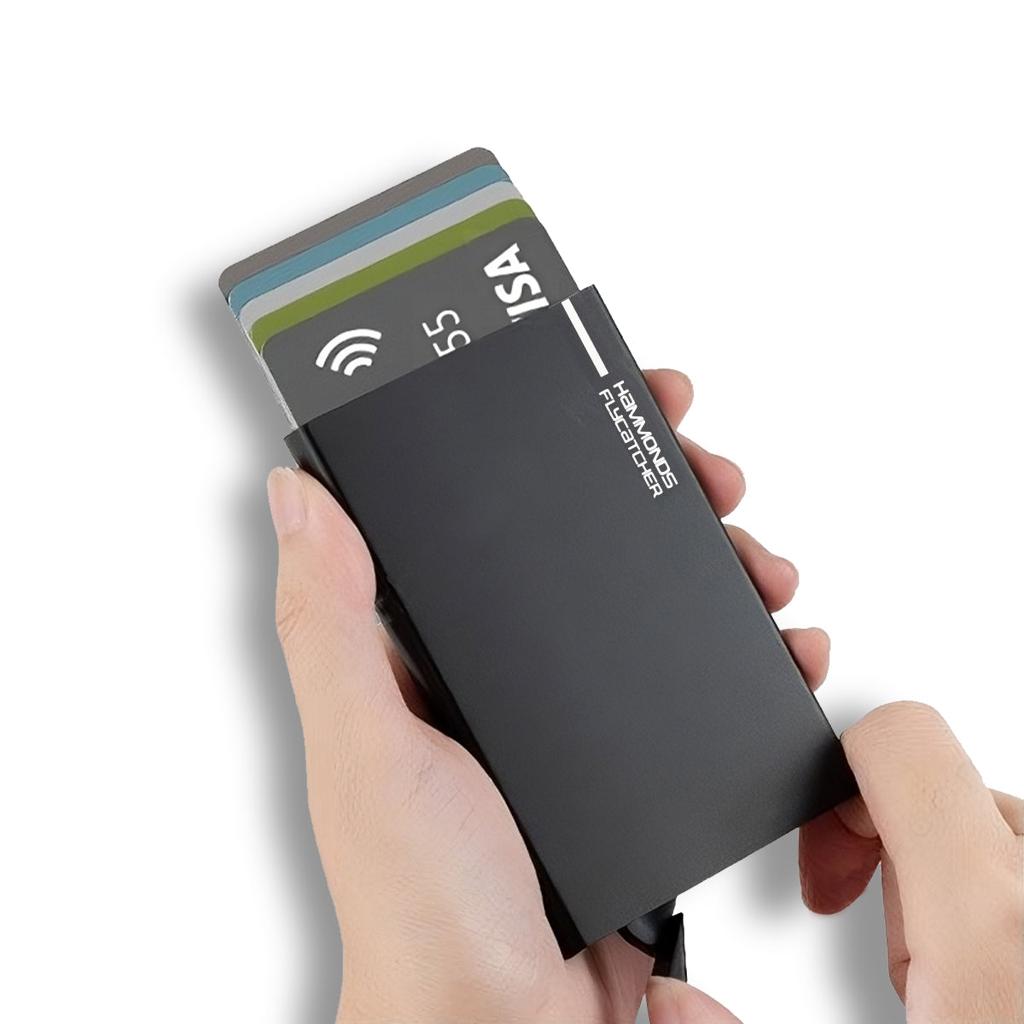
This is one of the biggest reasons many users switch to smart wallets.
Pocket Comfort and Daily Use
Another major difference is how the wallet feels in your pocket.
Traditional wallets, especially when full, tend to create bulk. They are usually carried in the back pocket, which can become uncomfortable.
Smart wallets are slimmer and better suited for front-pocket carry. This keeps everyday carry lighter and cleaner.
This also aligns better with modern minimalist carry setups.
RFID and Modern Wallet Features
Many smart wallets also include modern features such as RFID blocking and tracker card compatibility. These features improve both security and recoverability.
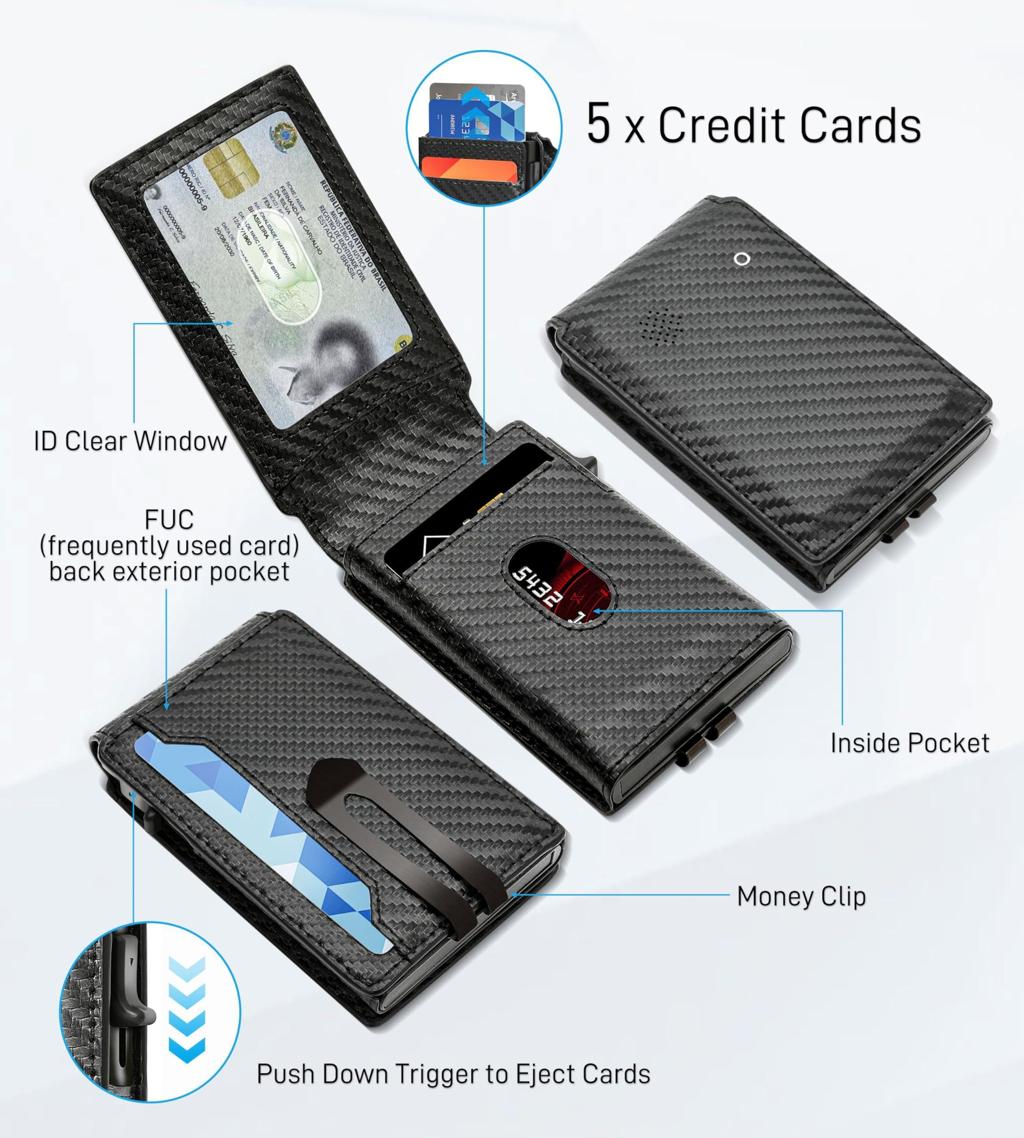
These features are rarely found in traditional wallets. That makes smart wallets more compatible with modern everyday carry.
If you want to understand more, you can read how smart wallets work to explore the mechanism and tracking options.
Which One Should You Choose?
Choose a traditional wallet if you:
- carry many cards
- use cash frequently
- prefer classic style
- want more storage
Choose a smart wallet if you:
- prefer slim carry
- want faster access
- carry fewer essentials
- like minimalist setup
- want modern features
Both options are useful. The better choice depends on how you actually carry your wallet daily.
Final Verdict
Traditional wallets focus on capacity.
Smart wallets focus on efficiency.
For most modern everyday carry setups, smart wallets offer:
- slimmer design
- faster card access
- better pocket comfort
- cleaner organization
That is why they are becoming increasingly popular.
You can explore more smart wallets options and related accessories inside the electronics category.