Fashion Wardrobe Essentials: Building a Smart & Versatile Closet (2026 Guide)
Key Takeaways
- Modern fashion prioritizes structured versatility over fast trends: timeless silhouettes, durable materials, versatile colors, layering.
- Build core foundations with neutral tops, structured outerwear, fitted trousers/denim, and layering pieces; quality is key.
- Footwear anchors outfits: formal dress shoes, business casual loafers/derbies, versatile minimalist sneakers. TucciPolo emphasizes material integrity.
- Accessories like belts and watches refine outfits, adding texture and cohesion; high-quality materials integrate better long-term.
- Fabric knowledge (cotton, wool, leather) is crucial for purchasing decisions, impacting breathability, longevity, and comfort.
- A sustainable wardrobe means buying fewer, better pieces and adapting for work, travel, formal, and casual occasions.
1. Fashion Is Structure, Not Trends
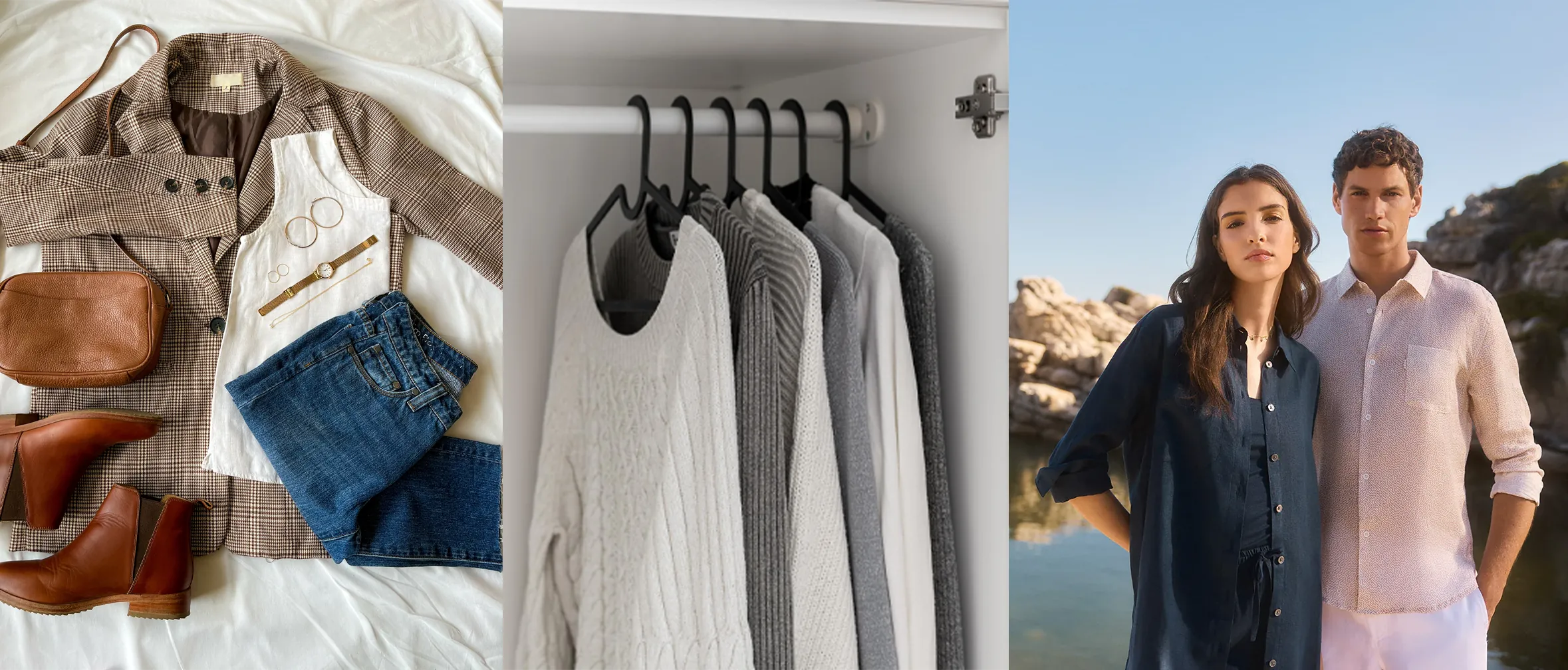
Modern fashion is shifting away from fast-changing trends toward structured versatility.
A smart wardrobe focuses on:
- Timeless silhouettes
- Durable materials
- Versatile color palettes
- Layering flexibility
- Occasion adaptability
Rather than chasing seasonal drops, many consumers now prioritize long-term wearability.
Fashion today is about functional style ecosystems, not impulse purchases.
2. Core Clothing Foundations
A versatile wardrobe typically begins with foundational garments:
- Neutral tops (shirts, polos, blouses)
- Structured outerwear
- Well-fitted trousers or denim
- Layering pieces (knits, overshirts)
Fit and fabric quality matter more than logos.
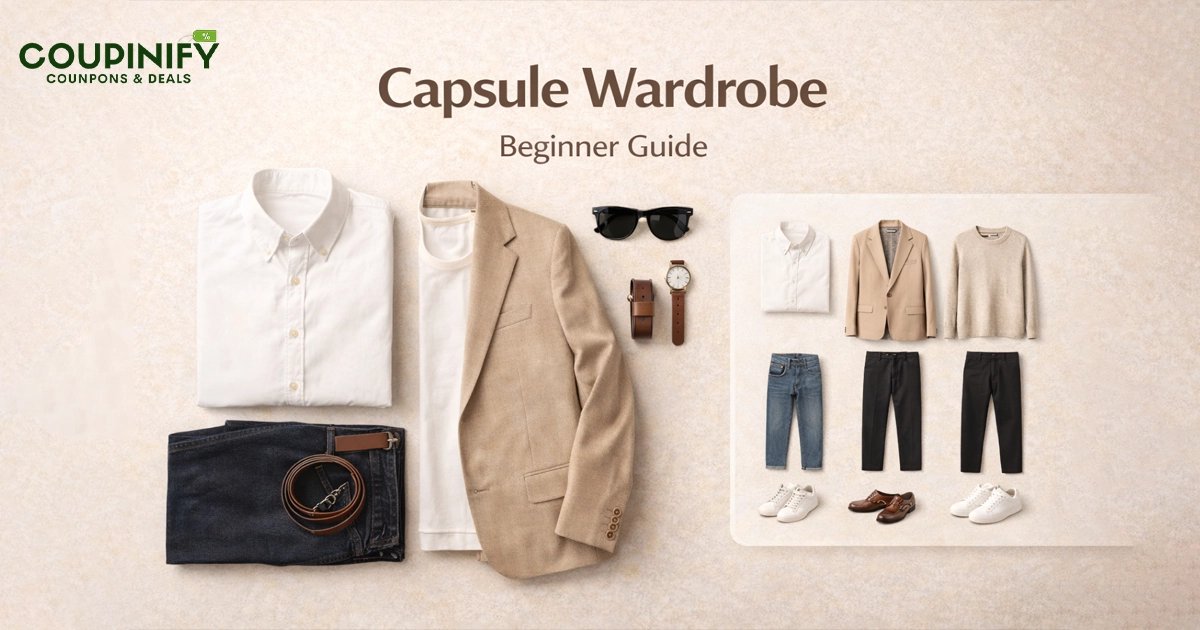
When garments combine well with multiple outfits, your wardrobe becomes modular — not cluttered.
If you're starting from scratch, learning how to build a structured closet step by step can help. Our how to build a capsule wardrobe beginner guide explains a simple approach to creating a smaller, more versatile clothing collection.
3. Footwear as a Structural Anchor
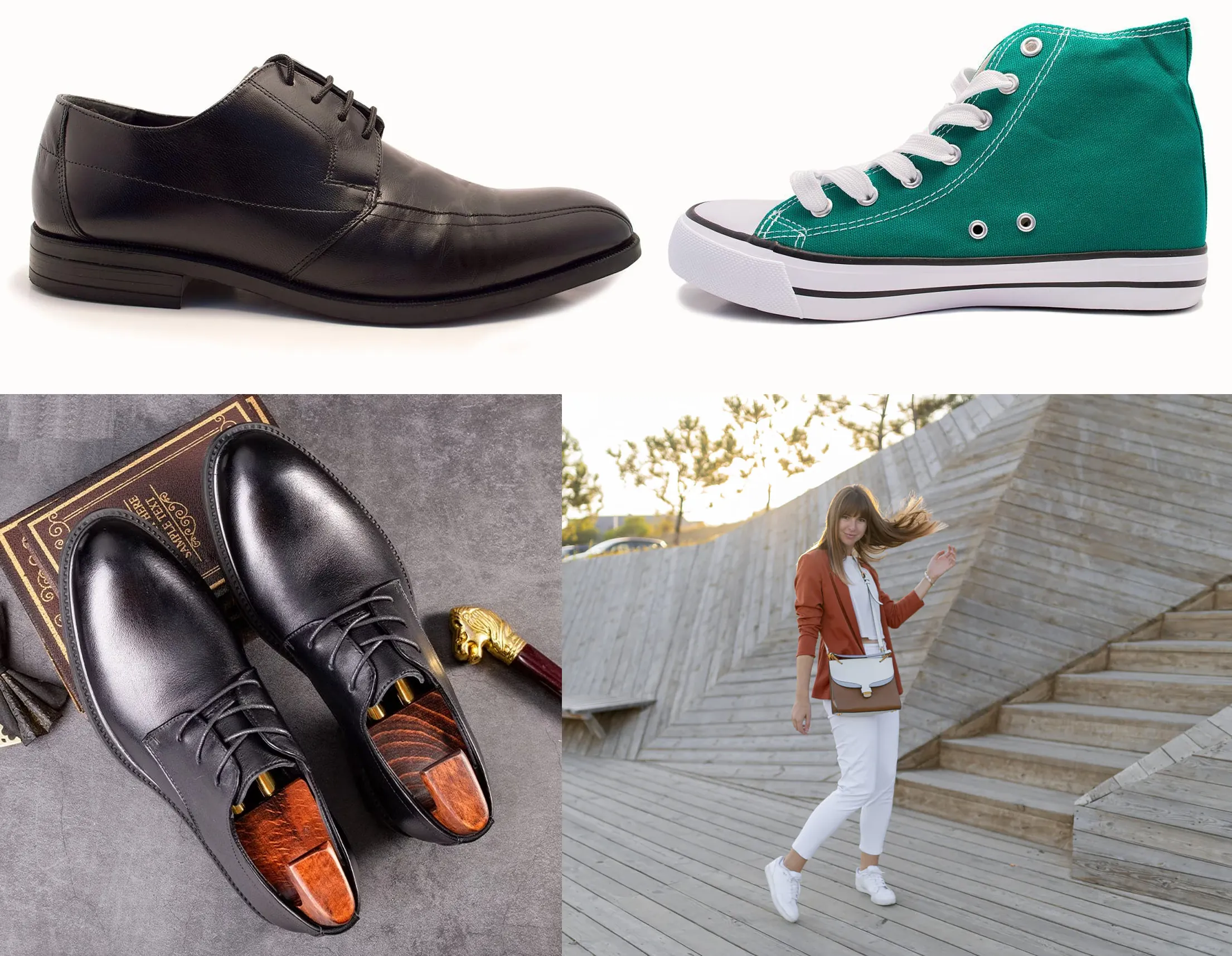
Footwear defines the tone of an outfit.
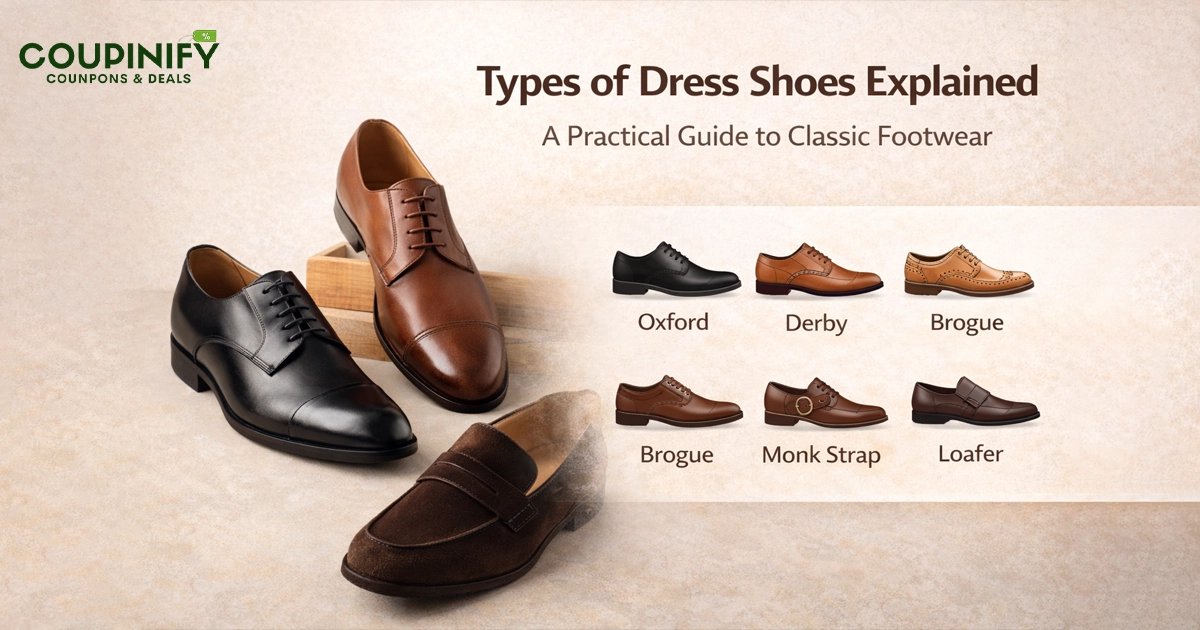
Understanding different footwear structures is also important when building a balanced wardrobe. Our guide on types of dress shoes explained breaks down the key styles and when they are typically worn.
Different occasions require different foundations:
- Formal events → structured dress shoes
- Business casual → refined loafers or derbies
- Daily wear → versatile minimalist sneakers
Quality craftsmanship influences both durability and visual presence.
Brands focusing on structured leather footwear — such as TucciPolo handmade Italian leather shoes — typically emphasize material integrity and long-term wear rather than short-lived fashion cycles.
Footwear should complement wardrobe architecture, not overpower it.
4. Accessories That Elevate Without Overpowering
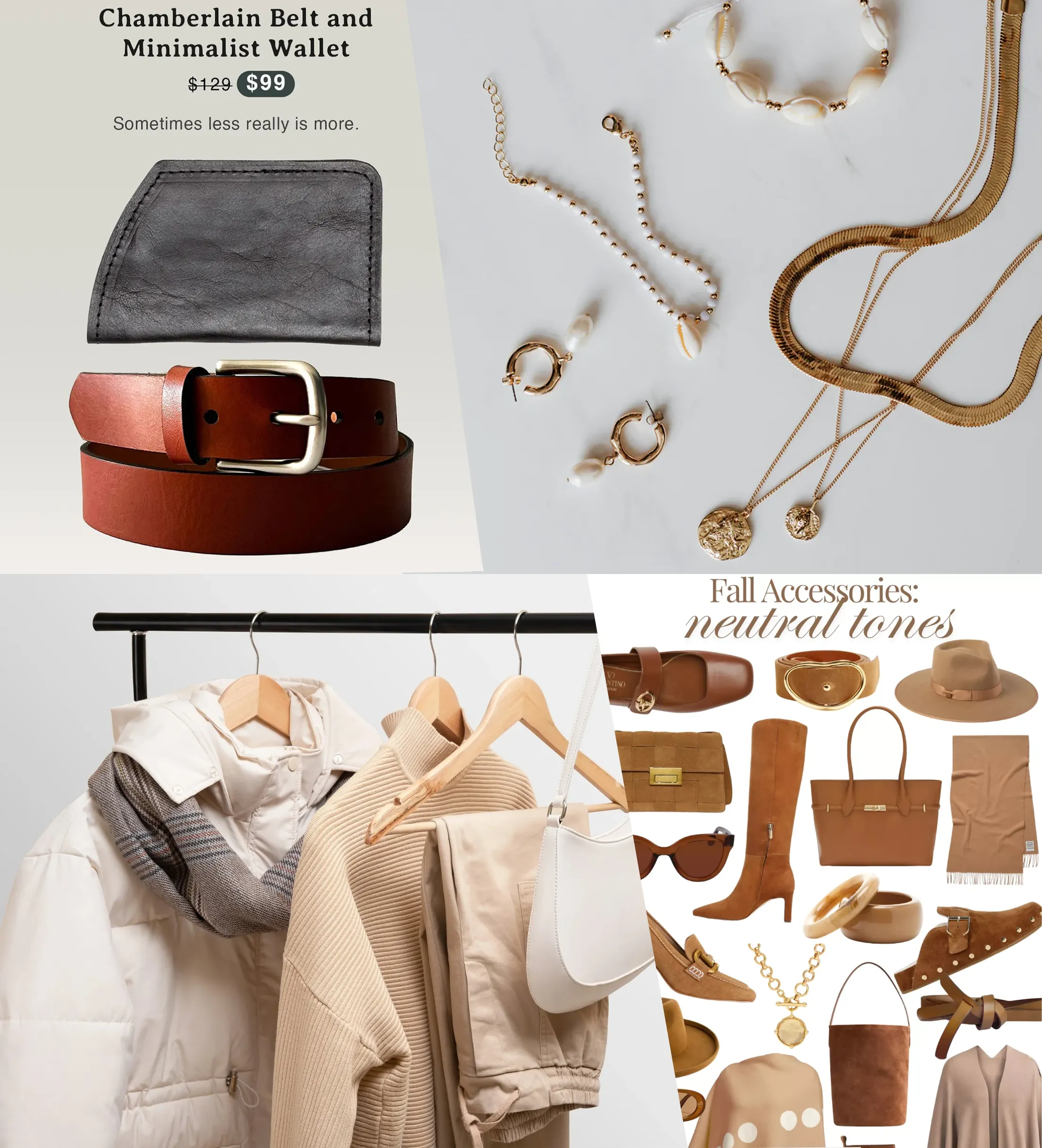
Accessories act as refinement tools.
Belts, wallets, watches, and subtle statement pieces:
- Add texture
- Enhance silhouette balance
- Create visual cohesion
The goal is controlled contrast — not excess.
High-quality materials age better and integrate more seamlessly into long-term wardrobes.
5. Fabric Knowledge: The Hidden Differentiator
Material composition affects:
- Breathability
- Longevity
- Shape retention
- Comfort
Understanding basic fabric types (cotton, wool, leather, blends) improves purchasing decisions.
Clothing built from durable materials reduces replacement frequency and long-term cost.
6. Occasion-Based Dressing Strategy
Modern wardrobes must handle:
- Work environments
- Travel
- Formal events
- Casual weekends
The most efficient wardrobes allow easy transition between these settings.
Instead of owning many items, focus on strategic pieces that adapt.
7. Building a Sustainable Wardrobe Mindset
Sustainability in fashion does not only mean eco-labels.
It includes:
- Buying fewer but better pieces
- Choosing long-lasting materials
- Avoiding disposable fashion cycles
A wardrobe built around versatility reduces unnecessary accumulation.
If you're comparing brands and seasonal promotions, browsing current fashion deals can help evaluate available options before upgrading your closet.
8. Final Thoughts
Fashion authority is not built on trends — it is built on structure.
A well-balanced wardrobe combines:
- Foundational garments
- Appropriate footwear
- Minimal accessories
- Material awareness
- Occasion adaptability
By focusing on long-term versatility rather than short-term novelty, style becomes sustainable and intentional.