Types of Dress Shoes Explained: A Practical Guide to Classic Footwear
Key Takeaways
- Understanding dress shoe types helps choose for occasions, match outfits, and invest in versatile, long-lasting styles.
- Oxfords are most formal with closed lacing, ideal for black-tie and business formal. Variations include cap-toe, plain-toe, and wholecut.
- Derby shoes feature open lacing for a relaxed look and comfort, bridging formal and refined wear, best for business and smart casual.
- Loafers are slip-on shoes like Penny, Tassel, or Bit loafers. Less formal than Oxfords, they suit smart casual, warm climates, and travel.
- Monk strap shoes replace laces with buckles, offering a bold, modern look. Best for contemporary business and fashion-forward formal settings.
- Prioritize leather quality, stitching, and sole construction. TucciPolo handmade Italian leather shoes emphasize durability and structured design.
1. Why Understanding Dress Shoe Types Matters
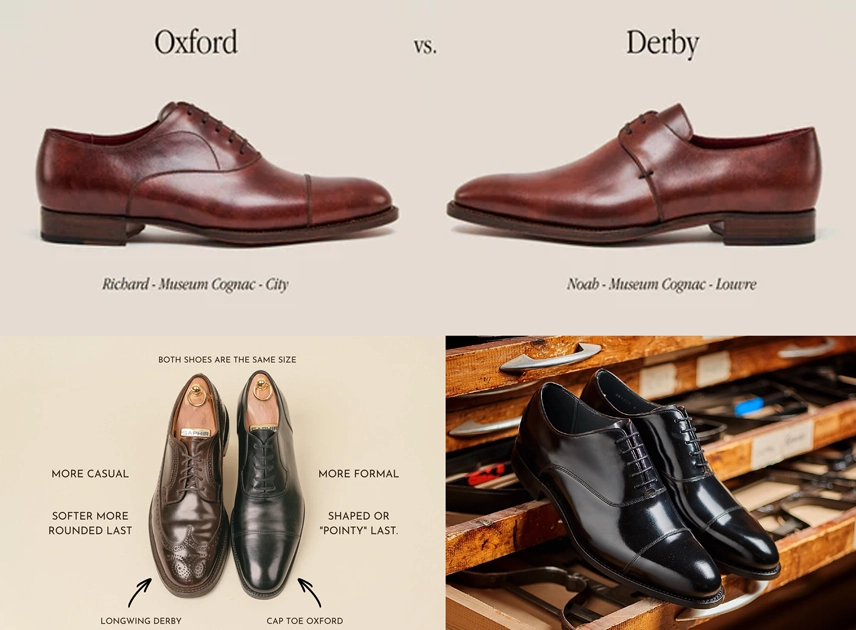
Dress shoes are often grouped together as “formal footwear,” but structural differences significantly affect how they look and where they should be worn.
Understanding shoe construction helps you:
- Choose the right pair for specific occasions
- Match footwear with appropriate outfits
- Avoid overdressing or underdressing
- Invest in versatile, long-lasting styles
Rather than focusing on trends, it’s better to understand core categories.
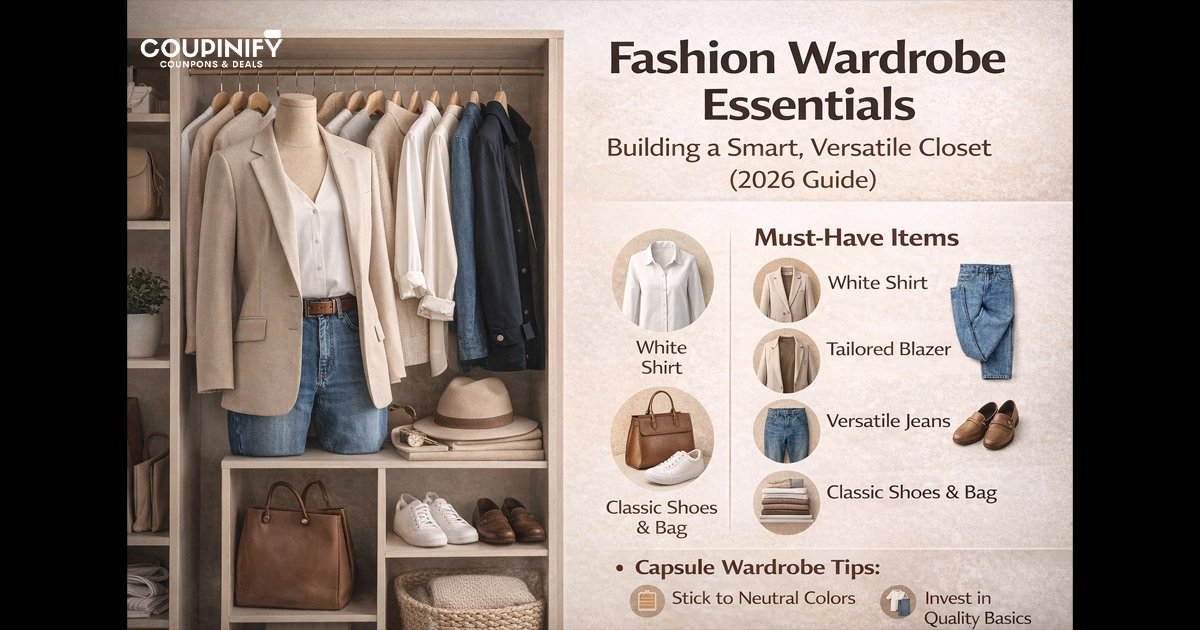
To see how footwear fits into a broader wardrobe structure, you can explore our fashion wardrobe essentials guide, which explains how clothing, accessories, and footwear work together as a complete style system.
2. Oxford Shoes (Most Formal)

Oxfords are defined by closed lacing — the eyelet tabs are stitched under the vamp.
This creates a sleek, structured appearance.
Best for:
- Formal events
- Black-tie settings
- Business formal attire
Common variations:
- Cap-toe Oxford
- Plain-toe Oxford
- Wholecut Oxford
Oxfords pair best with tailored suits and structured garments.
3. Derby Shoes (Business Versatile)
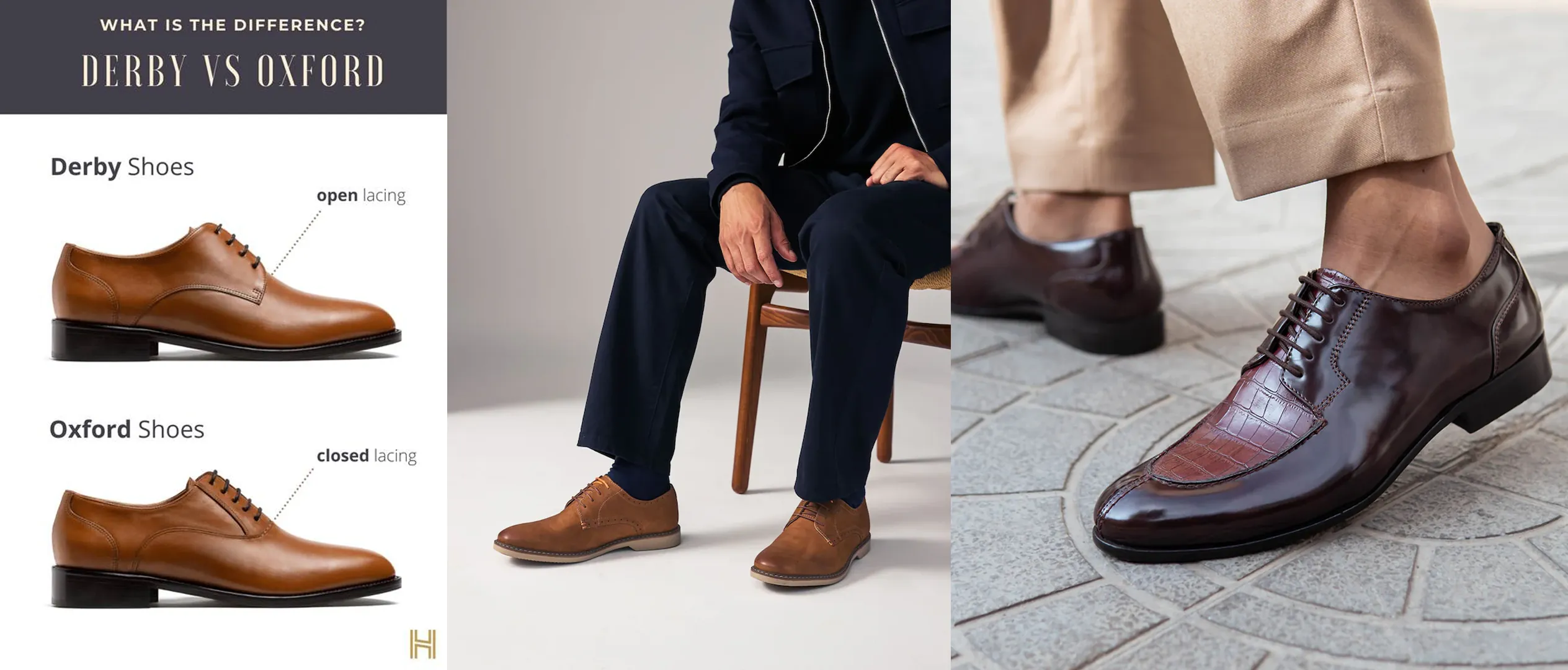
Derbies use open lacing, where eyelet tabs are sewn on top of the vamp.
This gives:
- Slightly more relaxed appearance
- Greater comfort for wider feet
- More versatility across outfits
Best for:
- Business casual
- Office wear
- Smart casual combinations
Derbies bridge the gap between strict formal and everyday refined wear.
4. Loafers (Refined but Relaxed)
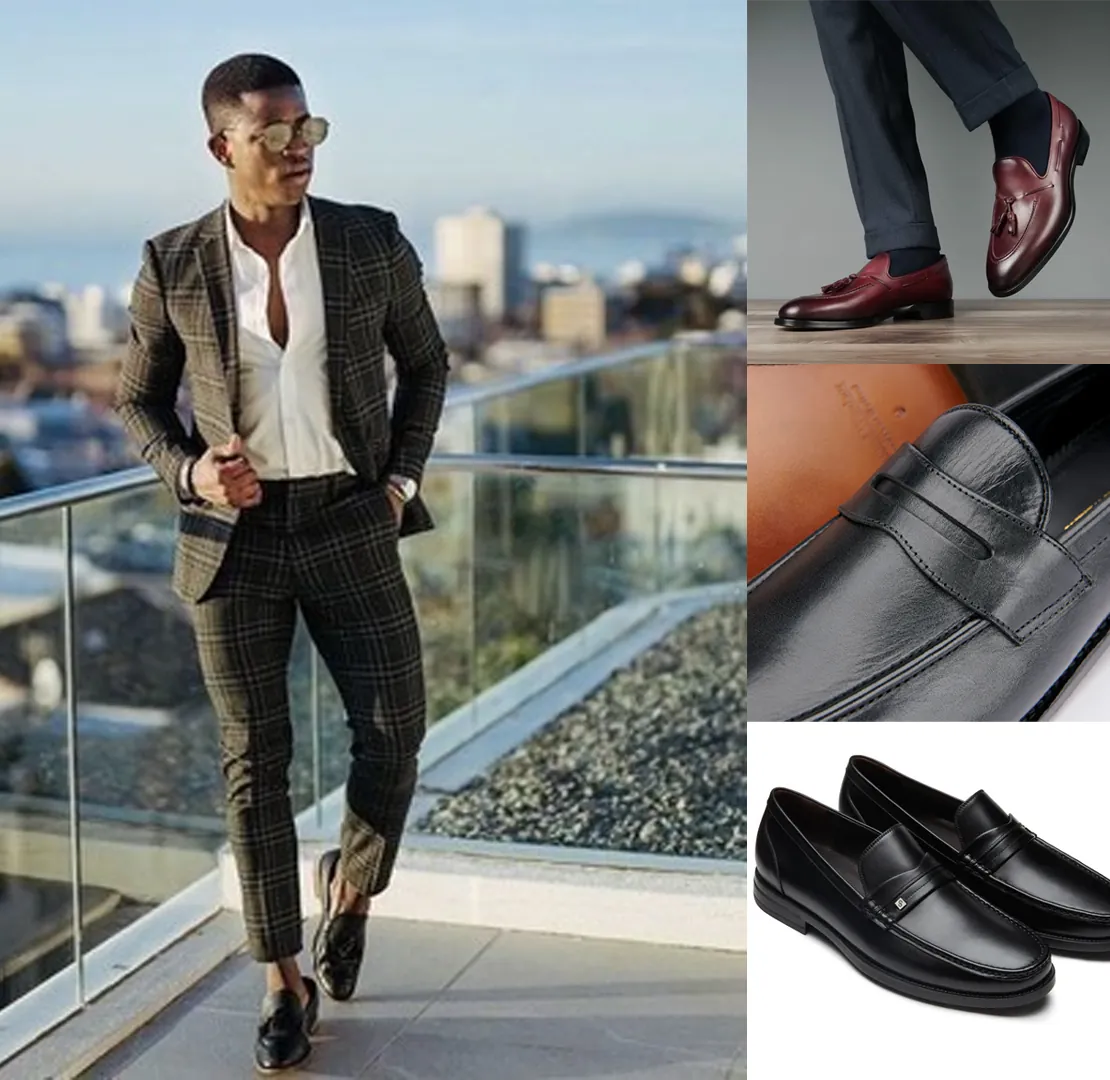
Loafers are slip-on shoes without laces.
Common types:
- Penny loafers
- Tassel loafers
- Bit loafers
Best for:
- Smart casual
- Warm climates
- Travel-friendly outfits
While less formal than Oxfords, leather loafers can still look polished when paired correctly.
5. Monk Strap Shoes (Distinctive Alternative)
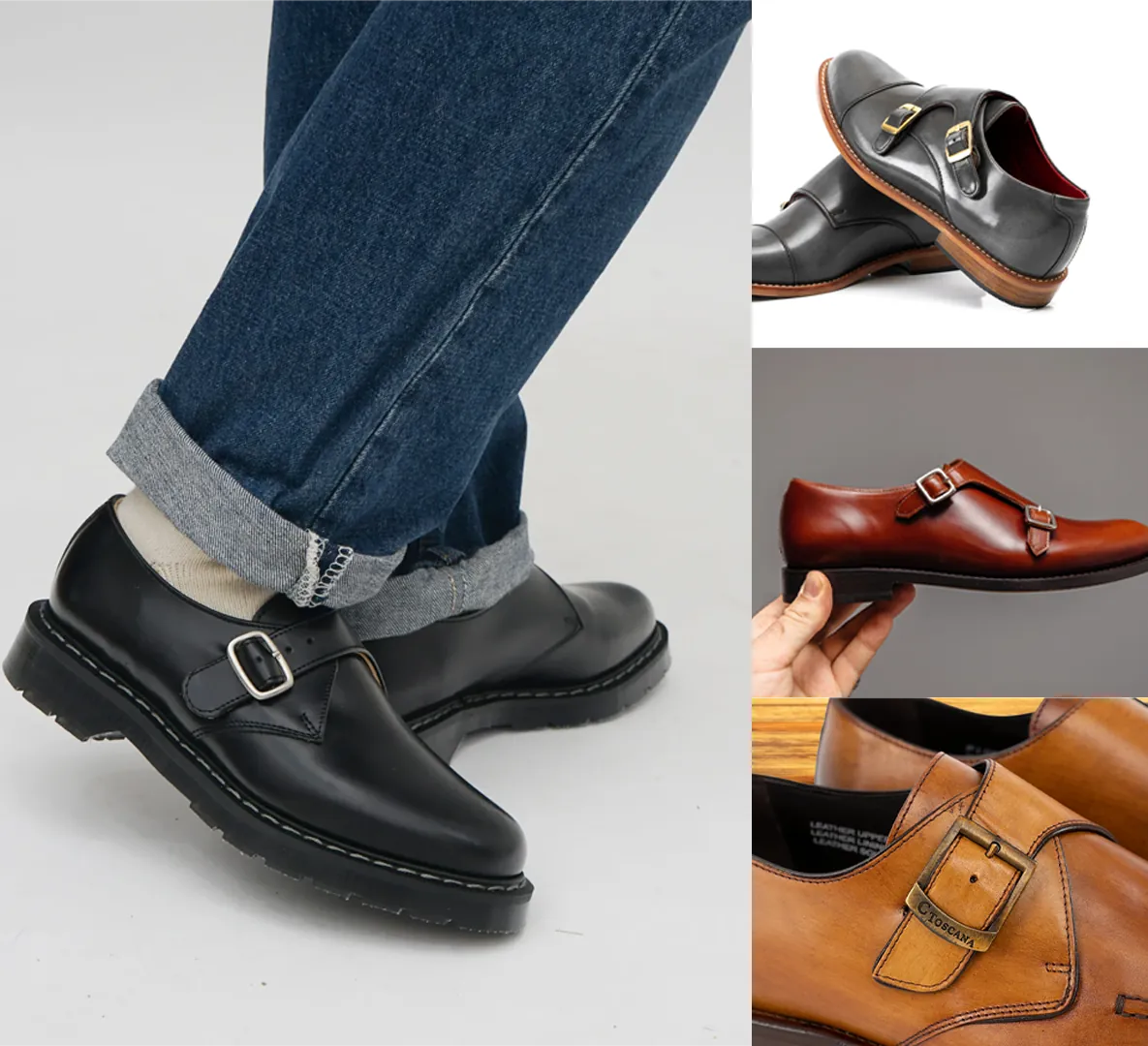
Monk straps replace laces with one or two buckles.
They offer:
- Clean front design
- Slightly bold aesthetic
- Structured but modern appearance
Best for:
- Contemporary business wear
- Fashion-forward formal settings
They stand out more than Oxfords or Derbies.
6. Leather Quality and Craftsmanship
Not all dress shoes are equal.
Important factors include:
- Leather quality
- Stitching precision
- Sole construction
- Shape retention
Handcrafted leather footwear brands such as Italian leather shoes focus on structured design and material durability — which influences both longevity and appearance.
When evaluating options, prioritize material integrity over branding alone.
7. Choosing the Right Type for Your Wardrobe
If your wardrobe is mostly:
- Suits → Choose Oxfords
- Business casual → Derbies or monk straps
- Smart casual → Loafers
Footwear should match the level of formality in your clothing.
If you're reviewing different styles and promotions, browsing current fashion deals can help compare available options before investing.
8. Final Thoughts
Understanding dress shoe categories helps you build a balanced footwear rotation.
Rather than owning many similar pairs, focus on structural variety:
- 1 formal option
- 1 versatile business option
- 1 relaxed refined option
Footwear anchors the entire outfit — structure matters.