Fast Charging vs Standard Charging Explained: What’s the Real Difference?
Key Takeaways
- Standard charging delivers 5W-10W, suitable for overnight. Fast charging uses 18W-30W+ for quicker recharges.
- Fast charging utilizes standards like USB Power Delivery (PD) and Qualcomm Quick Charge. Both device and cable must be compatible.
- Modern devices have battery management systems to prevent damage. Certified fast chargers are safe, with heat management being key.
- Fast charging is ideal for quick top-ups during travel or heavy use. Standard charging is universal but slower, good for overnight.
- 18W-20W fast charging provides noticeable speed improvements for most smartphones compared to standard 5W-10W charging.
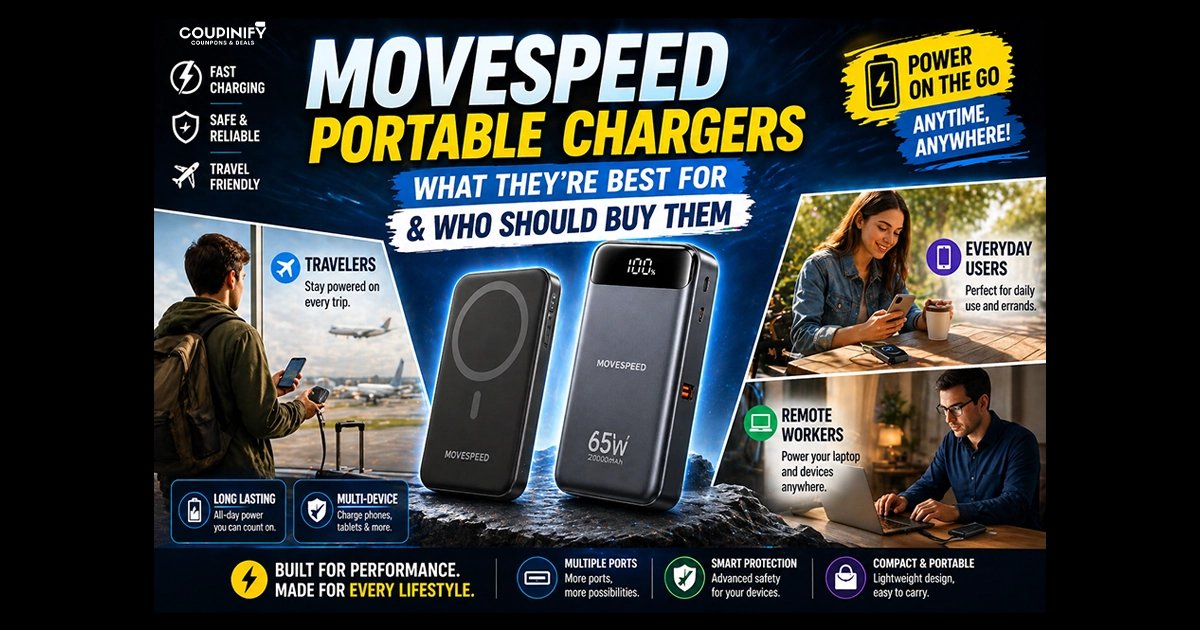
- Many modern portable chargers, including MOVESPEED power banks, support fast charging output for quicker top-ups.
1. Why Charging Speed Matters Today
With smartphones, tablets, laptops, and wearable devices becoming essential parts of daily life, charging speed has become more important than ever. Waiting several hours for a battery to refill is no longer practical for remote workers, travelers, or busy commuters.
Understanding the difference between fast charging and standard charging can also help you learn how to choose a portable charger and the right cables, adapters, and power banks for your needs.
2. What Is Standard Charging?
Standard charging typically delivers lower wattage power output, often around 5W to 10W depending on the device and adapter.
Characteristics of standard charging:
• Slower charging times
• Lower heat generation
• Basic USB-A adapters and older cables
• Suitable for overnight charging
Standard charging is still widely used for smaller devices or situations where charging speed is not critical.
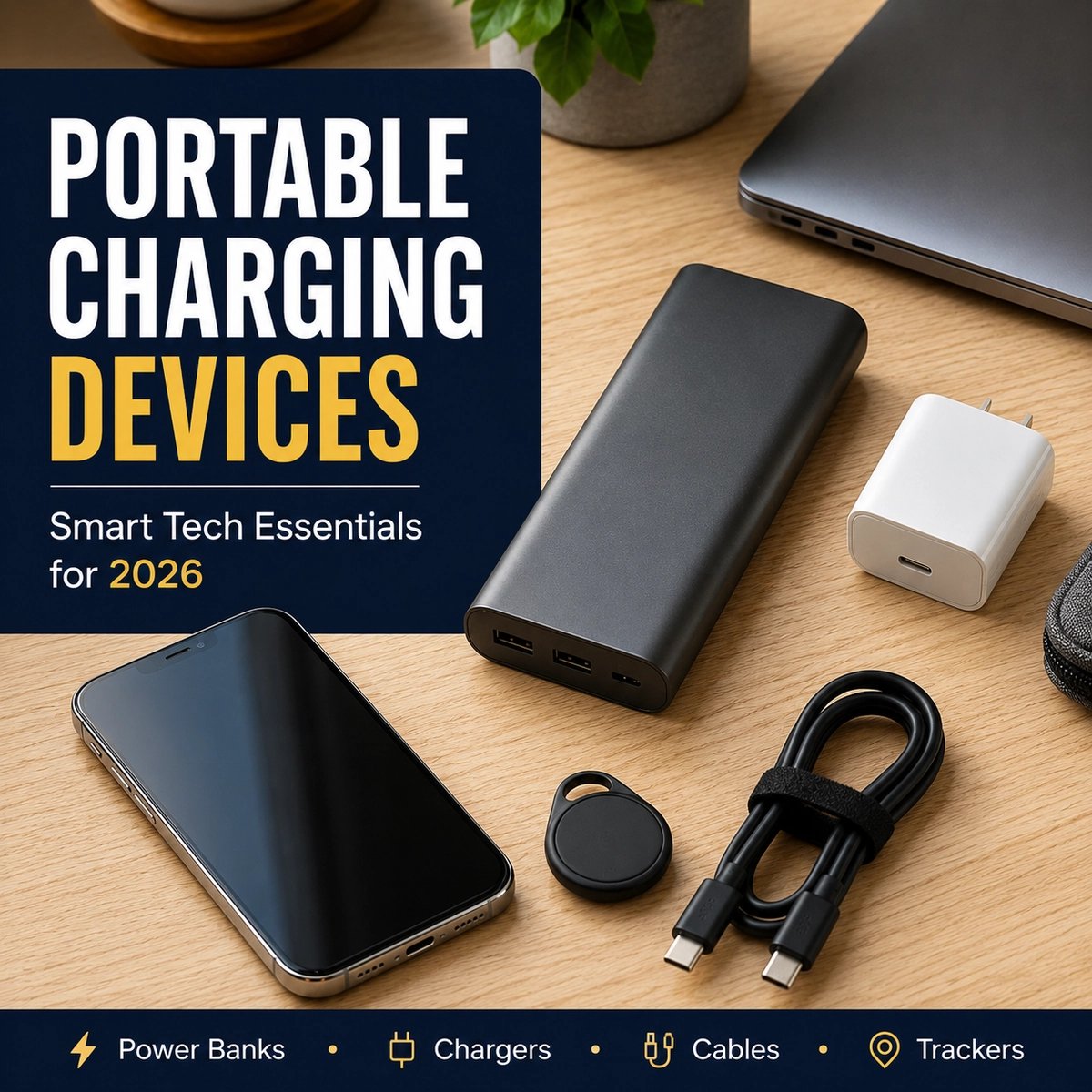
If you want to compare devices that support these technologies, see our best portable charging devices and smart tech essentials guide.
3. What Is Fast Charging?
Fast charging increases the power delivered to a device, reducing the total time needed to recharge the battery.
Common fast charging standards include:
• USB Power Delivery (PD)
• Qualcomm Quick Charge
• Higher wattage outputs (18W, 20W, 30W and above)
To benefit from fast charging, both the charging device and the cable must support the same standard. Using incompatible accessories may result in normal-speed charging instead of fast charging.
Charging accessories such as Futurizta Tech charging accessories are typically designed to support modern fast-charging standards, helping users reduce charging time when paired with compatible devices.
4. Does Fast Charging Damage Your Battery?
Charging performance also depends on battery size, which is why understanding how many mAh you really need in a power bank is important.
One of the most common concerns is whether fast charging reduces battery lifespan.
Modern smartphones and laptops are built with battery management systems that regulate power intake. These systems help prevent overheating and excessive current flow.
In most cases:
• Certified fast chargers used correctly are safe
• Devices automatically control charging rates
• Heat management plays a bigger role than wattage alone
However, low-quality or uncertified charging accessories can increase risk, which is why compatibility and safety certifications matter.
5. Key Differences Between Fast and Standard Charging
Charging Speed
Fast charging significantly reduces recharge time compared to standard charging.
Power Output
Fast charging uses higher wattage (often 18W or more), while standard charging typically remains lower.
Device Compatibility
Fast charging requires compatible devices, cables, and adapters. Standard charging works more universally but slower.
Use Case
Fast charging is ideal for quick top-ups during the day. Standard charging works well overnight.
6. When Should You Choose Fast Charging?
Fast charging may be beneficial if:
• You travel frequently
• You rely heavily on your smartphone during the day
• You need quick recharges between meetings or classes
• You use power banks that support higher wattage output
Standard charging may still be practical for light users or overnight charging scenarios.
7. How Fast Charging Relates to Portable Power Banks
Fast charging is commonly found in modern portable chargers used by travelers.
Many modern portable chargers now support fast charging technology. When choosing a power bank, it’s important to check:
• Output wattage
• USB-C Power Delivery support
• Fast charge compatibility
Some MOVESPEED portable power banks also support fast charging output, which can make a noticeable difference for users who need quicker top-ups throughout the day.
If you want a broader comparison of portable charging devices and smart tech essentials, reviewing different categories can help you decide which setup works best for your lifestyle.
8. Frequently Asked Questions
Is 20W fast charging enough?
For most smartphones, 18W–20W provides noticeable speed improvements compared to standard charging.
Can I use a fast charger with a device that doesn’t support fast charging?
Yes, but it will charge at the device’s supported speed.
Why does my phone sometimes stop fast charging at higher battery levels?
Many devices slow charging near full capacity to protect battery health.
9. Final Thoughts
Fast charging and standard charging both serve different purposes. While fast charging improves convenience and flexibility, standard charging remains reliable for less urgent scenarios.
When selecting cables, adapters, or portable chargers, compatibility and safety should be prioritized alongside charging speed. Evaluating specifications and comparing options across our electronics and technology collection can help you choose the right setup for your needs.